“BRL Gathering” Balloon Repeater Launch – April 22nd – UPDATE

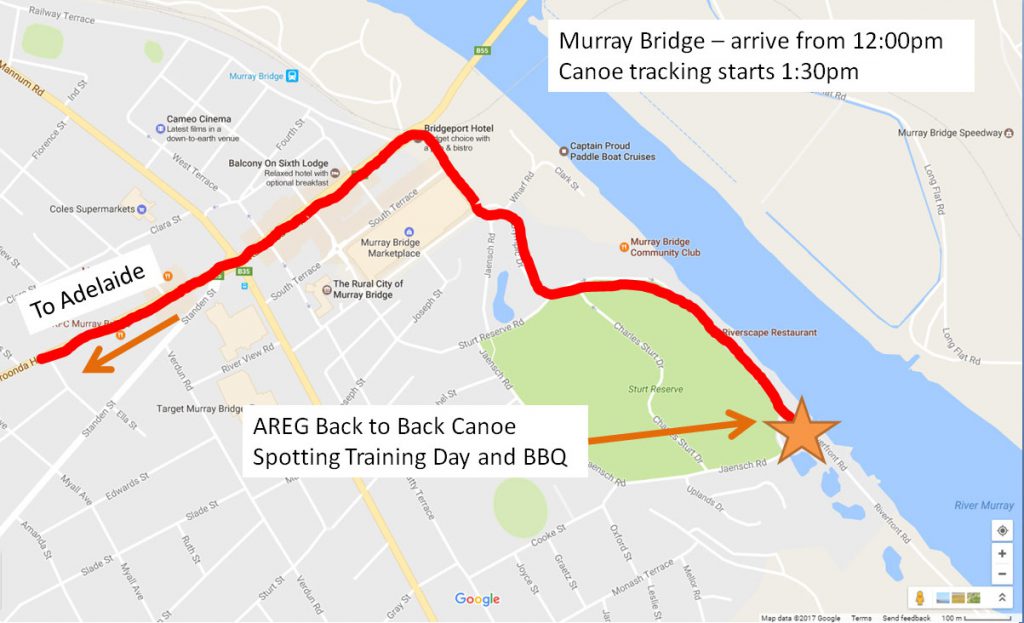
The Amateur Radio Experimenters Group is please to announce that it will be supporting an Amateur Radio focused balloon launch, to take place at the Riverland Radio Club’s VK5BRL Weekend event at Overland Corner Hotel in the Riverland.
This event is aimed at bringing together members of the Riverland Radio Club and amateurs from across SA & Victoria, in particular those who participate in the VK5BRL bi-weekly net on HF (heard on 7115kHz  at 8.30am Wednesday and Saturdays).

The morning festivities start off with an early breakfast of coffee, tea and of course bacon,  eggs and sausages.  This is then followed by the BRL net.   The AREG are looking to launch the balloon some time around 11am (to be confirmed) when the NOTAM is raised later this week.

AREG & Project Horus Involvement

The AREG will be marking this weekend with a special balloon flight. It has been some time since the flying repeater was heard on air, so it was felt that it was time to put some more amateur radio back into the balloon flights.

Balloon Repeater Frequencies

The balloon repeater will be heard on:

  • INPUT: 147.500MHz with 91.5Hz CTCSS (+/- thermal drift of the receiver)
  • OUTPUT: 438.850MHz (+/- thermal drift of the transmitter) – 0.8W into 1/4wave omni

Please note that this repeater is experimental, and may have performance issues during the flight.

To transmit to the balloon at the maximum range of 800km (once the balloon reaches 100,000ft ++) you should only need approximately 5-10W and an 2-4dB gain antenna.

Receiving the balloon at 400km range in a handheld environment should be achievable, but to hear the repeater at the maximum range of 800km you should expect to need a 10dB gain Yagi for a 0.4uV capable receiver and 2dB feeder loss

This setup is much the same as the LEO satellites but without the high speed Doppler shift.

PLEASE MAKE SURE YOU CAN HEAR IT BEFORE YOU TRANSMIT!

Additionally, the receiver used in the repeater (a Dorji DRA818) appears to have quite sharp receive filters, which results in the repeater dropping out if the input signal is over-deviated (>4.8 kHz dev). Please talk using a regular speaking voice when using the repeater to avoid issues.

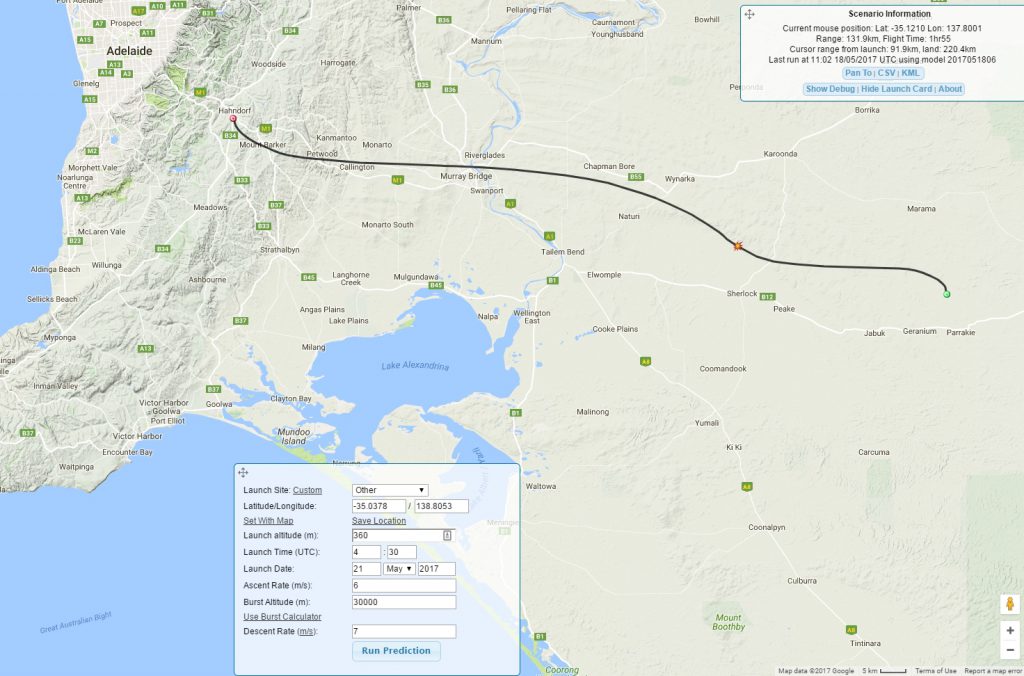
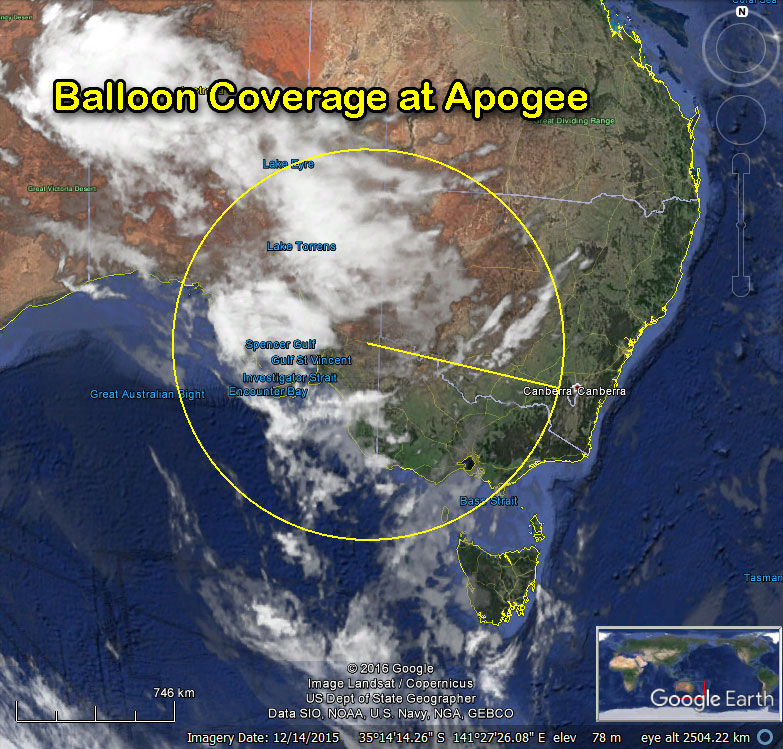
As we will be flying from Overland Corner instead of near Adelaide, coverage at apogee should almost reach Canberra. Contacts from Melbourne to Adelaide through the balloon should definitely be possible.

Other Balloon Payloads

Other payloads being flown on this flight will include:

  1. our standard 100bps 7N1 RTTY telemetry transmitter on 434.650MHz, and
  2. the Wenet imaging payload which will downlink on 441.2MHz at 115Kbit/s, and which will stream HD photos during the flight.

Images can be seen (here).
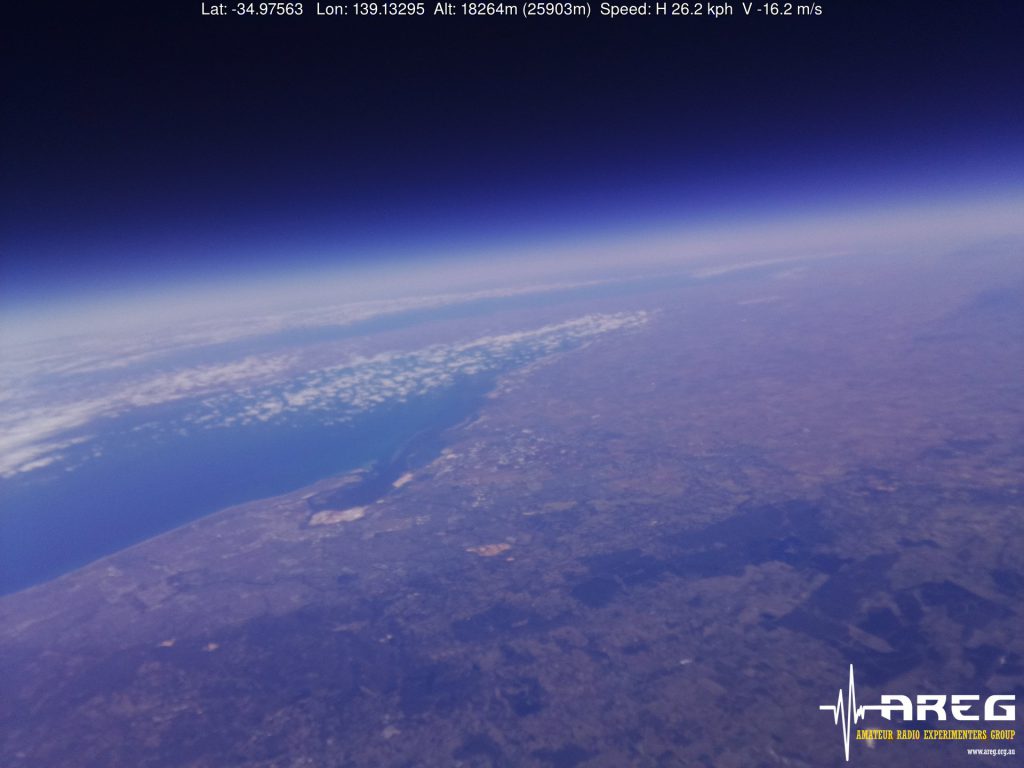
Tracking will again be available via www.habhub.org

If you would like to learn more about how to get involved in tracking the balloon, take a look at the following resources on the club website.

WIA AGM & Convention Special Event Callsign to be Net Control on the balloon repeater

The Riverland Radio Club will be activating the WIA AGM & Convention special event call sign VK5WOW via the balloon repeater during the event. Contacts with VK5WOW through the balloon will qualify for the award certificate.

Full details of the Convention 2017 award are available via  www.wia.org.au/members/wiaawards/agm2017/
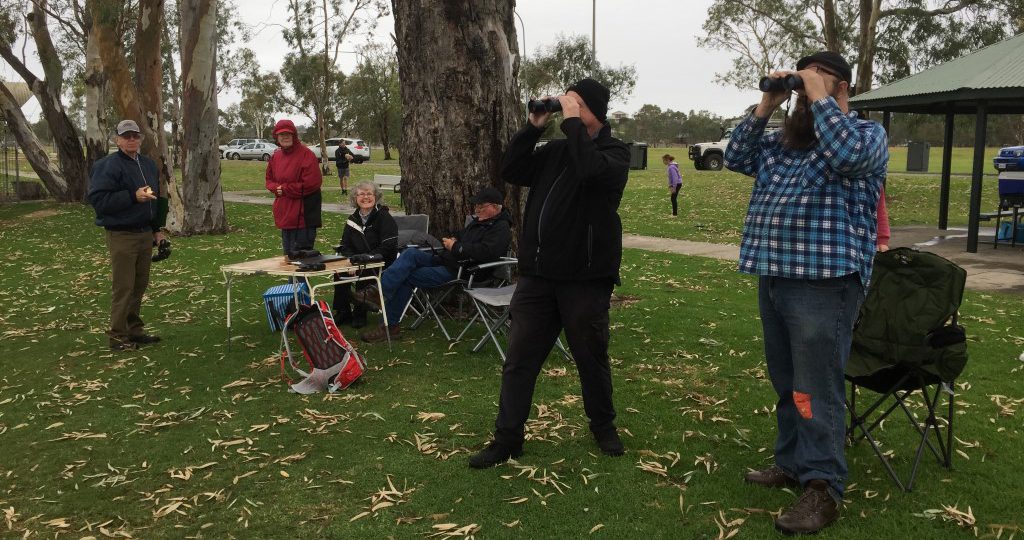
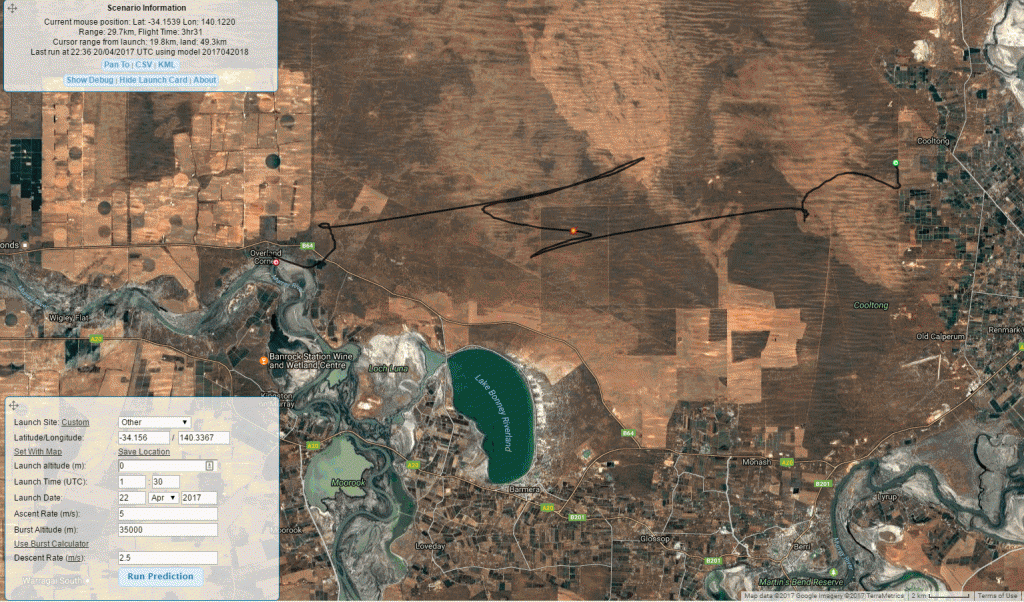
Stay tuned for further details as the flight is finalised. We will announce the final flight time later this week as well as the predicted balloon track.


Project Horus Flight #43 Report – Sunday March 5th 2017

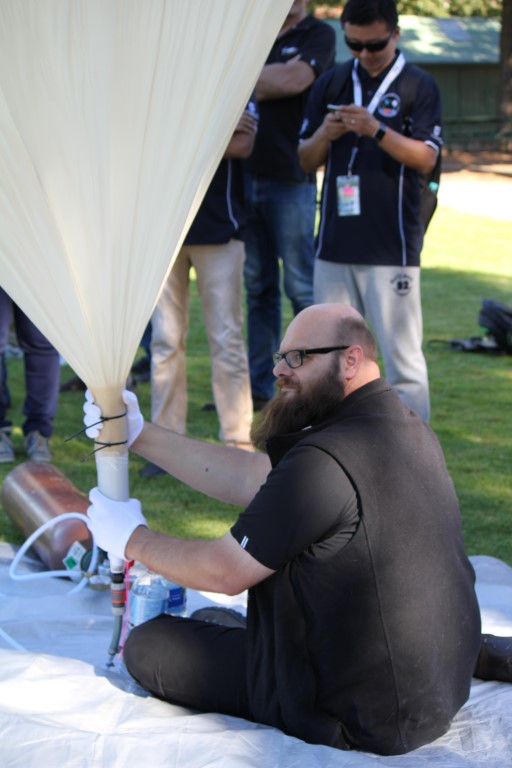
AREG finally had the weather smile on us today with a near textbook launch for Horus 43. This flight, conducted for Rostrevor College through LaunchBox, had been previously delayed multiple times due to either ground conditions, upper atmosphere conditions or both, so it was great to see it finally in the air.

Ground Preparations

The ground crew saw some new faces get involved today which was great. Balloon filling and handling was undertaken by Mark VK5QI, Darin VK5IX, Gary VK5FGRY, Grant VK5GR, Will VK5AHV, Marcus VK5WTF and Kim VK5FJ. Filling and liftoff went without a hitch!

Payloads

The payloads flown on this flight included:

  • 100bps RTTY FSK Telemetry Beacon
  • LoRa Telecommand
  • Wenet Imaging
  • LaunchBox Student Experiments

The images collected from Wenet were again spectacular – we never get tired of looking through what the balloon can see during it’s flight.

On the Ground before Liftoff

Ascent

This slideshow requires JavaScript.

Landing

Note how close some of the shots of the River Murray are towards the end of this set!

This slideshow requires JavaScript.

Chase & Tracking Teams

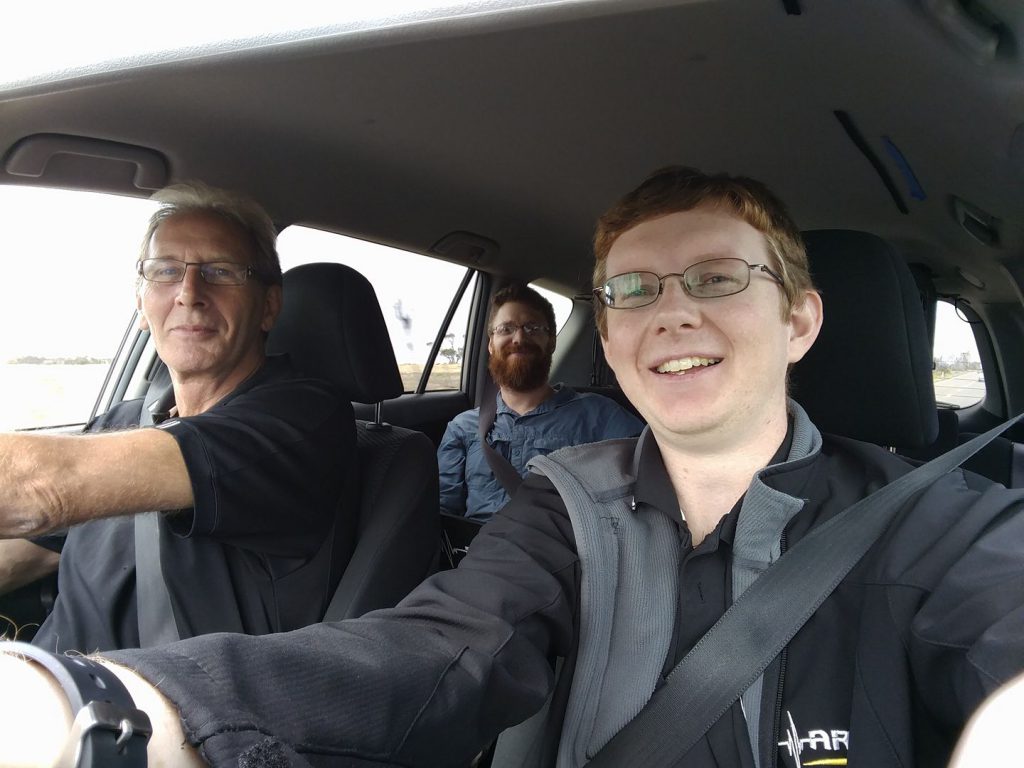
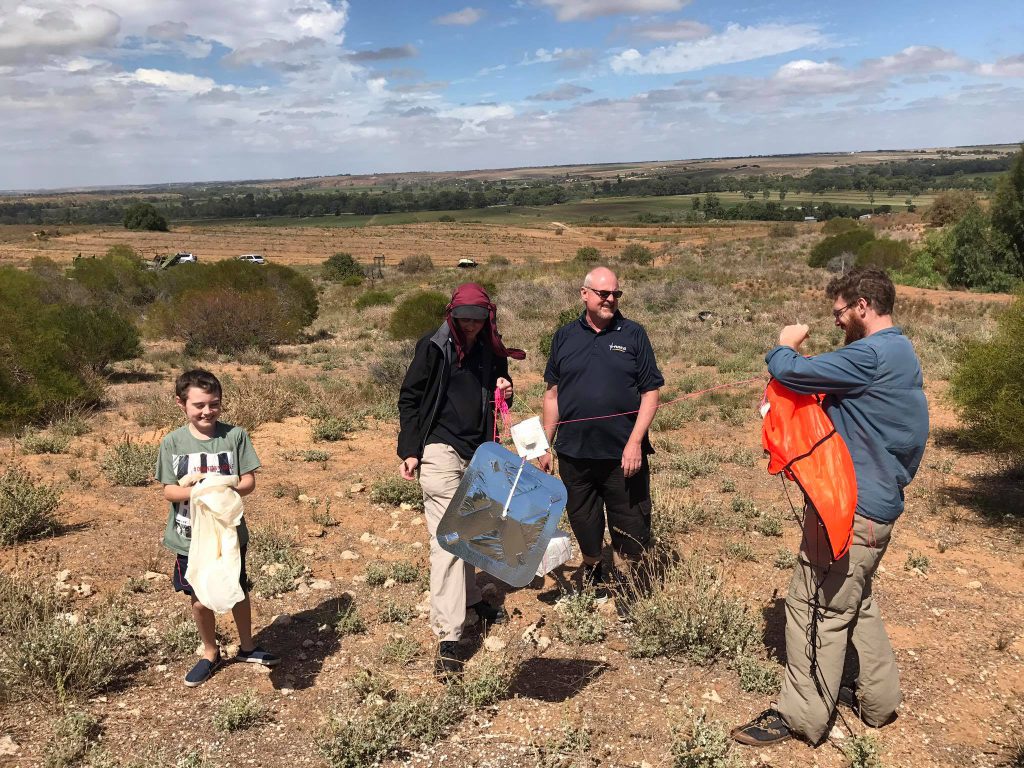
Two primary chase teams set out this time to recover the balloon payloads. Mark VK5QI lead the first team with Gary VK5FGRY and Will VK5AHV, while Darin VK5IX and his son headed out in the second.

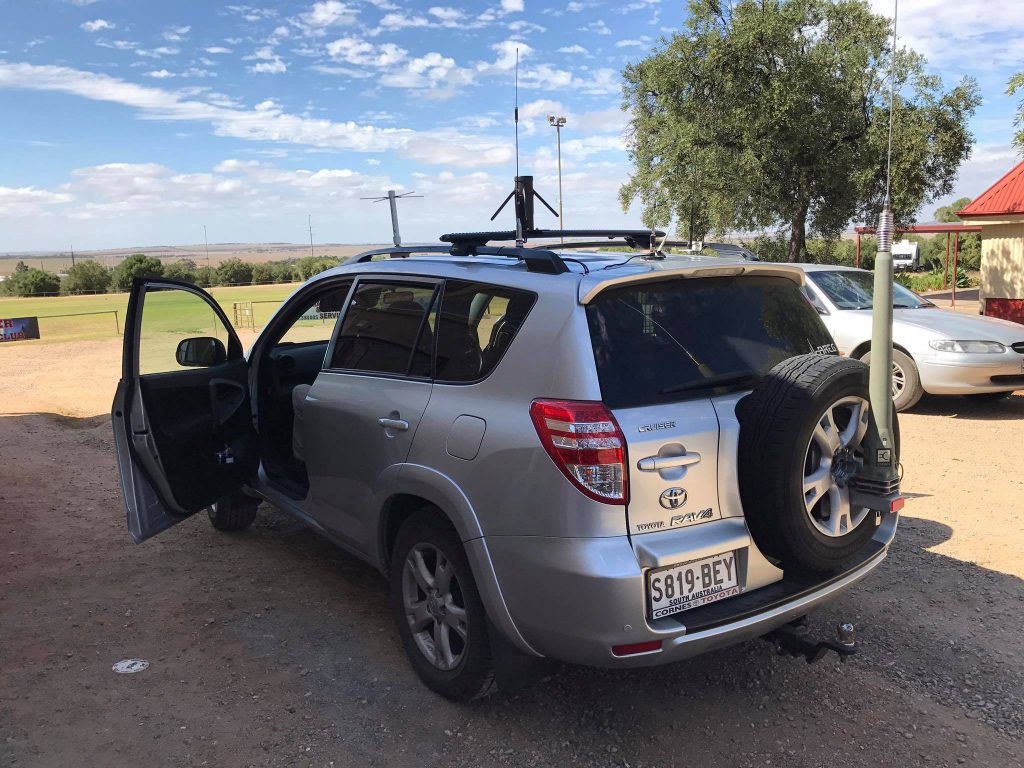
Marcus VK5WTF meanwhile carried out his first shakedown attempt at kitting his vehicle out as well. After launch, Marcus headed to Bear Rock lookout near Palmer to join Peter VK5KX who again provided our primary Wenet downlink station. Grant VK5GR also paid Peter a visit and got to see the ground tracking side of the operation for the first time! We were also visited by Tim VK5ZT who decided to pay us a visit – great to see you out and about Tim!

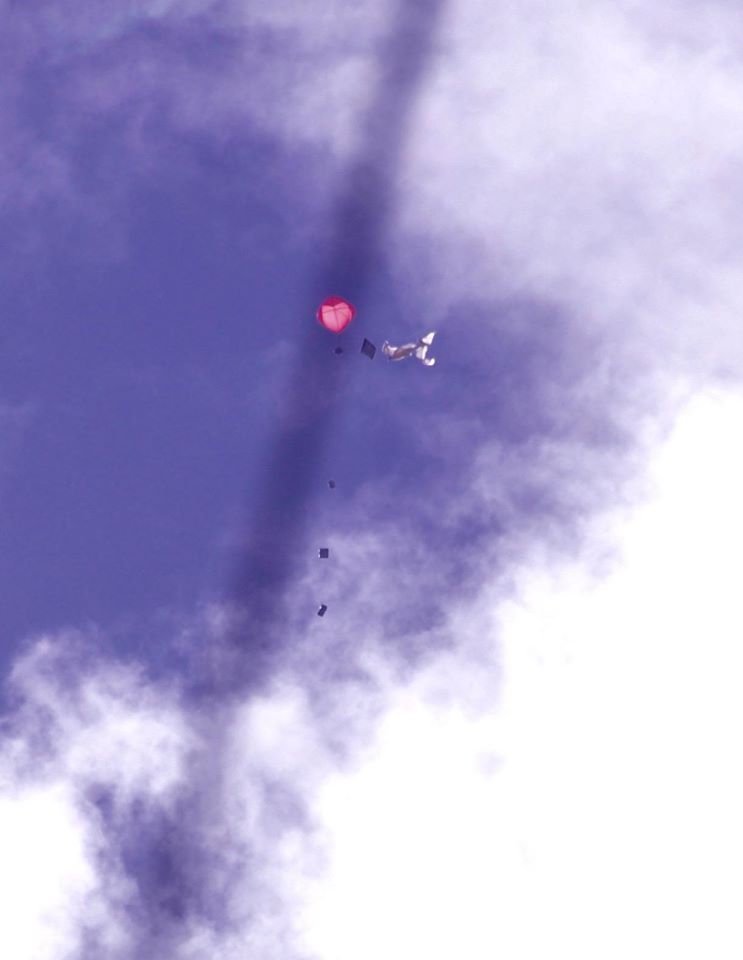
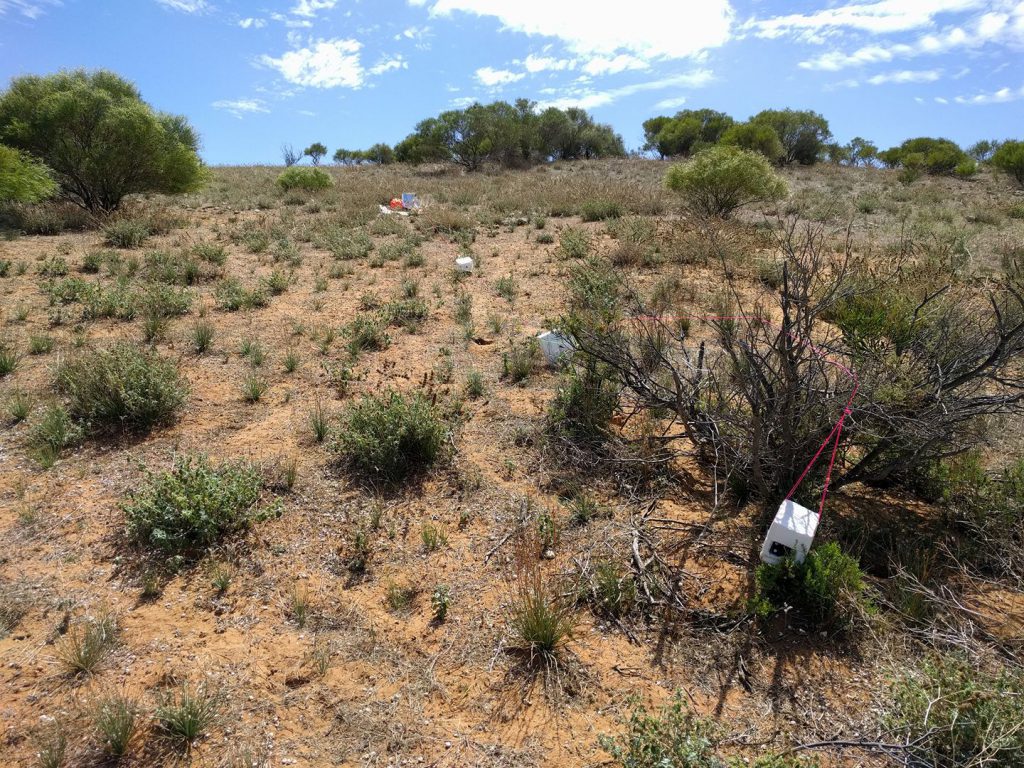
Recovery went well in the end, with the teams being there for landing. They captured photos of the balloon moments before touchdown. 

Tracking Network

The tracking network continues to grow as well. We saw some new ground stations participate in collecting the Wenet image telemetry for the first time this flight! Stations who contributed to the image collection this time included:

VK5FJ, VK5QI, VK5EU, VK5KX, VK5DF

Welcome aboard to our first timers!

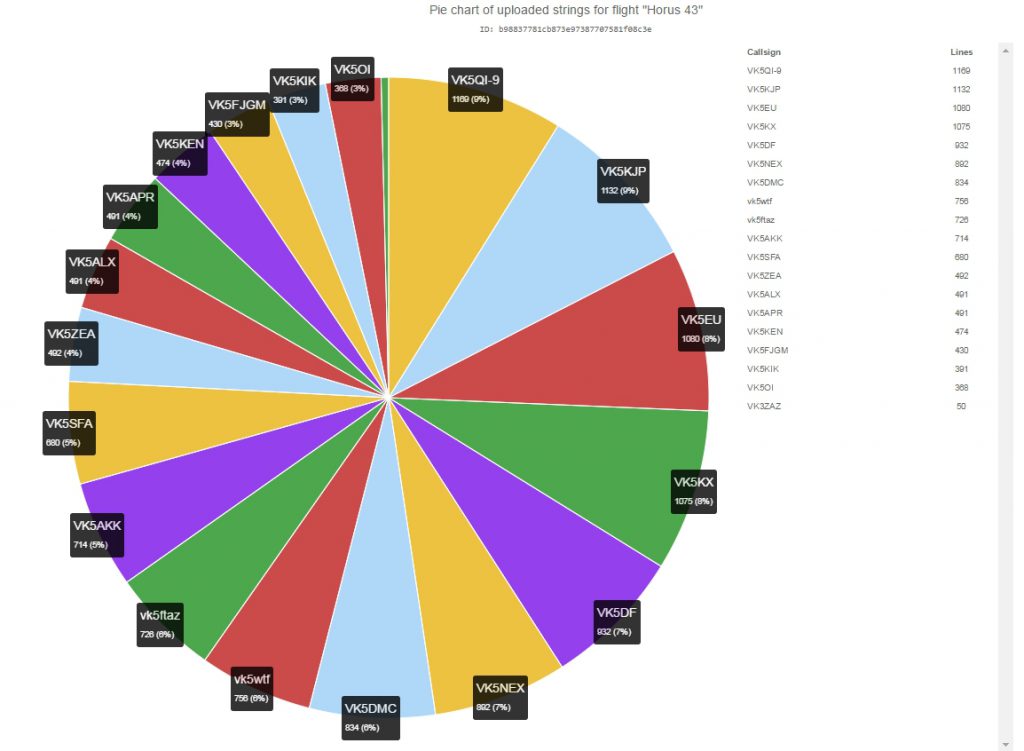
On the RTTY tracking side, there was a large group of participants. The following give you an idea of the magnitude of each station’s contribution – some from as far away as 300km from the launch site!

Flight Path

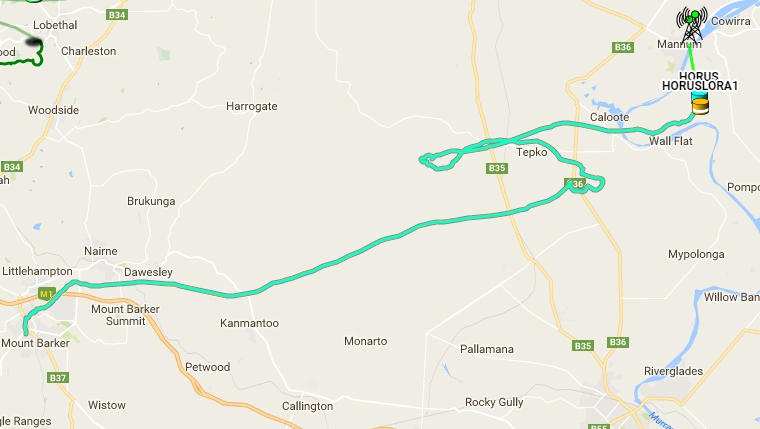
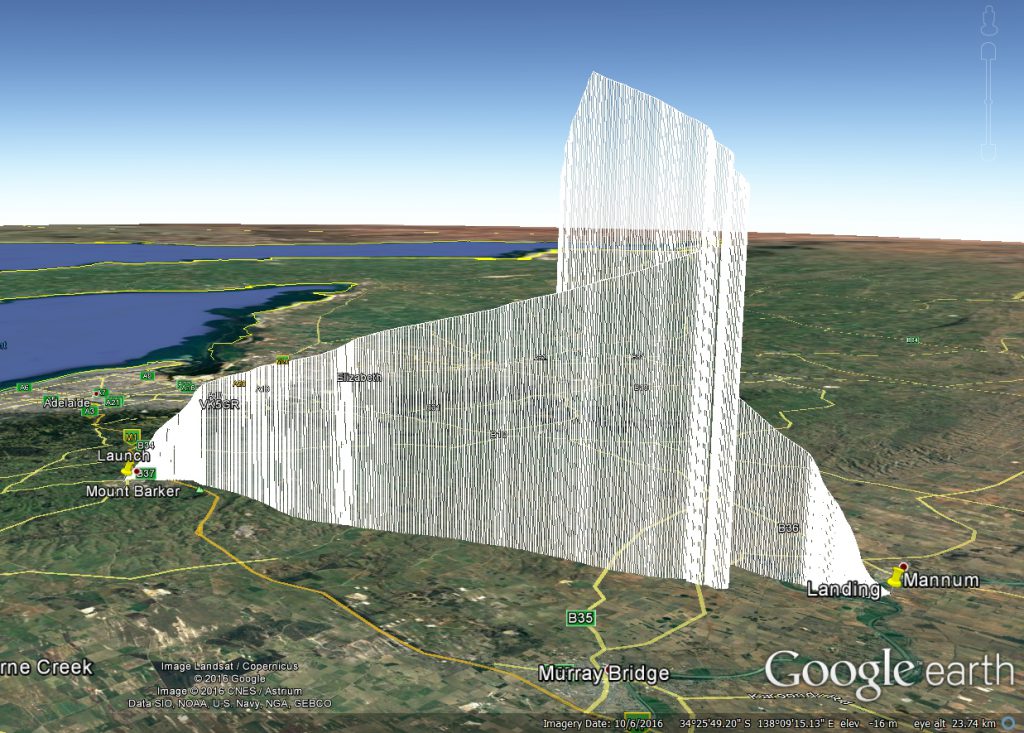
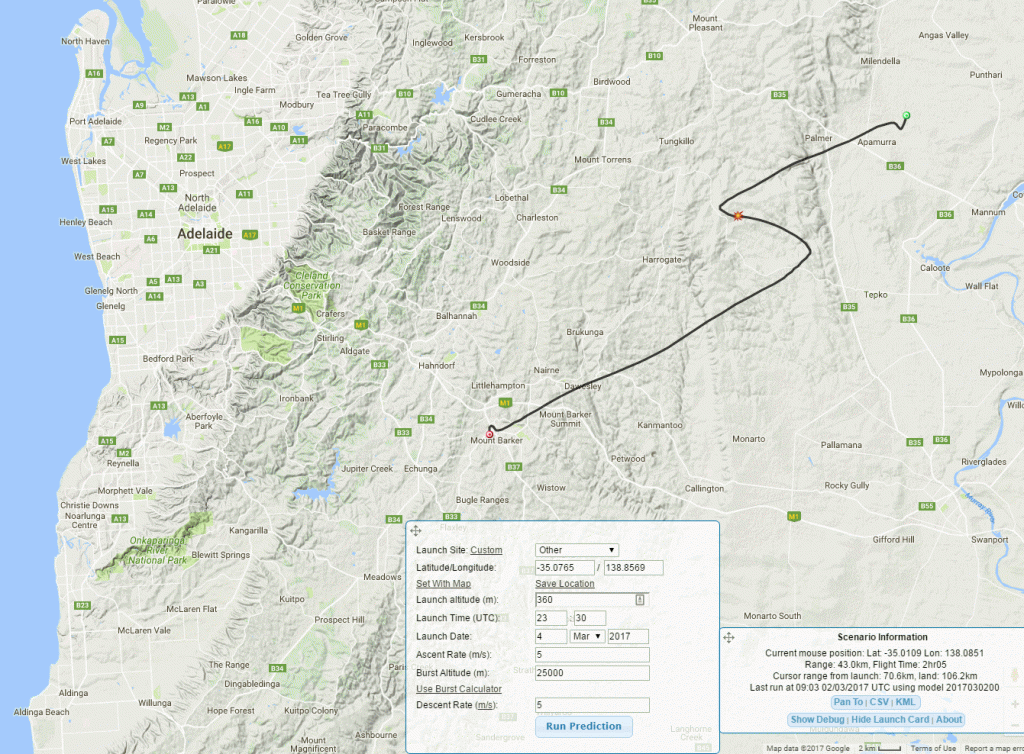
The flight path itself was pretty much textbook, with one minor wrinkle. It was planned for the flight to exceed 28-30km, however this time the balloon burst early. This caused some tense moments during landing when it started getting very close to the River Murray! There were some thoughts that it might go swiming at one stage, however thankfully that was averted.

Flight Statistics

[table “” not found /]

Conclusion

Another successful flight and one we are happy to finally be able to complete.

Til next time – 73 from the Project Horus team

Horus 43 Balloon Launch – Sunday March 5th 10.00am

The fourth attempt to Fly Horus 43 is going to be made for LaunchBox and Rostrevor College this coming Sunday. The predictions look good and the ground conditions are currently forecast to be favourable. This time we hope to have a successful liftoff!

Tracking by stations in Adelaide and beyond will again prove most valuable for the flight. Beacons to look for will be:

  • RTTY 100 bps 7N1 telemetry – 434.650MHz
  • Wenet Imagery – 441.2MHz – Images can be seen (here).

Tracking will again be available via www.habhub.org

Liftoff is planned for 10.00am Sunday morning.

More information will be posted as we get closer to liftoff!

Australian Contesting Technical College – Friday 19th May 3-5pm

Have you ever wanted to learn about contesting but didn’t know where to start? Did you ever want to learn the secrets of how the big stations earn their scores? Well now is your chance!

In May, AREG will be hosting a special event immediately prior to the WIA AGM in Adelaide. On Friday 19th at 3:00pm, the club proudly invites you to attend the “Australian Contesting Technical College”, presented by Trent Sampson VK4TS. The venue will be the clubrooms, located at the Reedbeds Community Hall, in Fulham (5 minutes from the airport for those around Australia flying in who would like to attend). This once in a lifetime event is open to anyone with an interest in Amateur Radio Contesting.

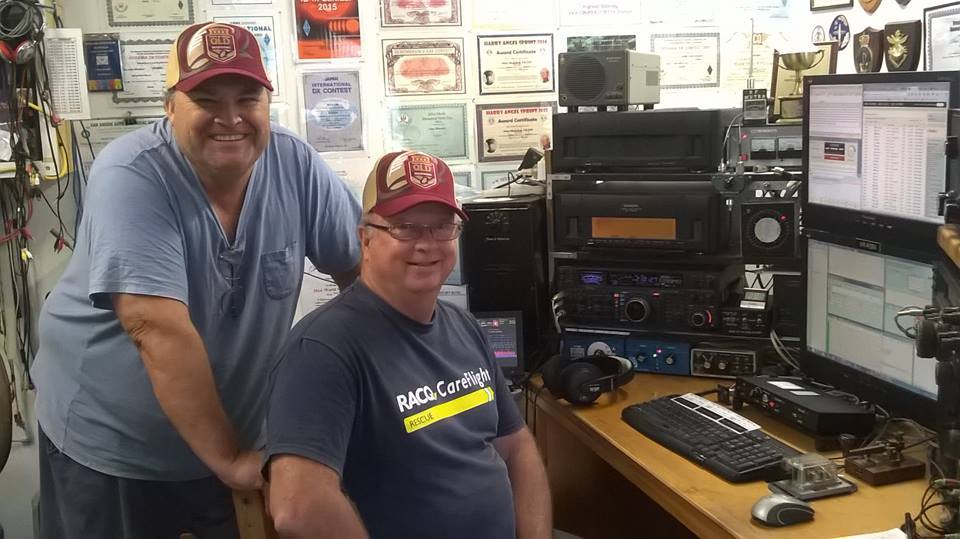
Trent VK4TS with Alan VK4SN

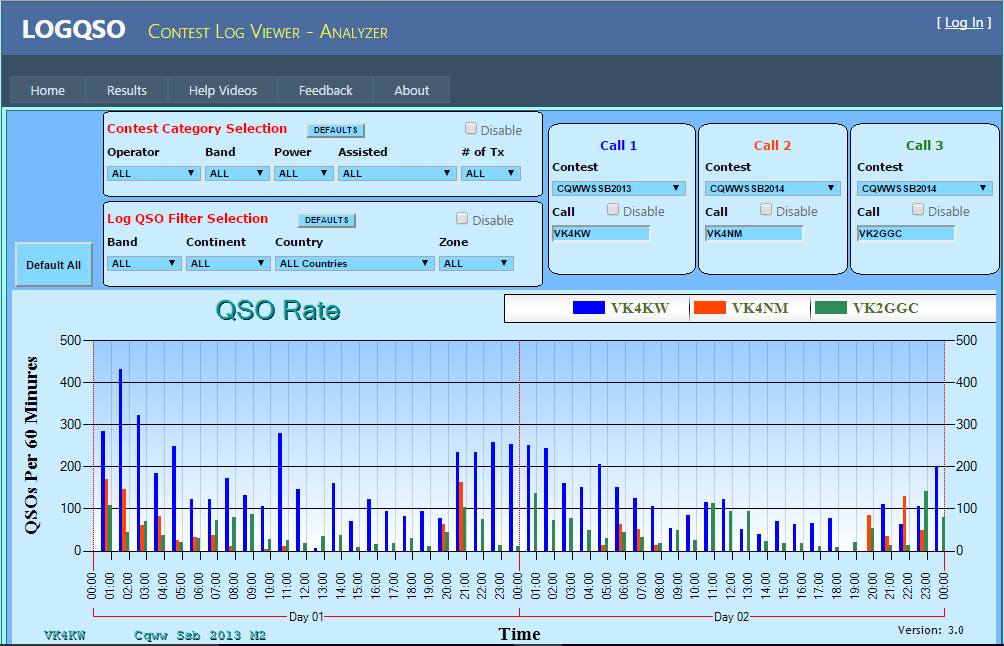
Trent Sampson VK4TS is the Contest Columnist for AR magazine and a member of the Lambda Contest Group who operate under the Callsign VK4KW and holds many records in Multi Operator categories in SSB RTTY and CW.

During the 2 hour session, Trent will discuss setting up a modern contest station for SO2R (SIngle Operator 2 Radios) operation as well as Multi operator station considerations, including equipment selection, interfacing, and antenna selection.

The Antenna selection part will include a real life appraisal of a contest location (likely to be one of the AREG sites) and how well it will work using High-Frequency Terrain propagation analysis.

When considering software, Trent will discuss examples of how to use the most popular software and the lessons learned from it.

Topics Covered will include:

  • Multi Operator Stations,
  • SO2R Operation
  • Filtering; Bandpass and Coax Stub,
  • Antenna selection Software usage,
  • N1MM with examples of SSB RTTY and CW.

So organise your Rostered Day Off now, or arrange to get into Adelaide a little bit earlier that day if travelling from interstate and make your way to the Amateur Radio Experimenters Group clubrooms for this once off special event!

AREG Members note: this is in addition to the May Meeting, the hall will close between 5:30 and 7:30 then reopen for the normal monthly meeting. As always visitors are welcome.


Where to find AREG

[wpgmza id=”5″]

AREG Navy Day! Members take radio onto the water

An intrepid group of members decided to take radio to the water this weekend with the first inaugural AREG Navy day. Sailboats and runabouts took to the waters around Outer Harbor and the Port River off the coast of Adelaide today all in the name of a bit of fun. APRS of course was mandatory!

More members at Snowdens Beach for a lunch picnic later this afternoon! Sausages, salads, cakes and more were provided by several members. The dogs chased the seagulls and everyone sat back for a relaxing afternoon watching the racing sailors dodge and weave on the Port River! The event was such a success, it is likely we will bring it back next year…


John Moyle Field Day Contest 2017 – Get Out There!

The John Moyle Memorial Field Day Contest is fast approaching, due to be held on the weekend of March 18th and 19th this year. While AREG is not mounting a major club station this year, it is, as it did last year, encouraging as many members as possible to take to the road and activate portable for the contest.

The contest runs from 0100 UTC (11.30am ACDT) Saturday to 0059 UTC Sunday (11:30am ACDT). Full details of the event’s rules can be found on the WIA’s website: www.wia.org.au

At least two members have indicated that they will be on air portable (VK5GR and VK5AKH). Even if you cant mount a portable station, why not enter the home station category? Activity on the bands is the name of the game from 160m to Microwave! Dont forget digital modes and CW as well, as there are categories for them too.

Looking forward to working everyone during this years field day event!

AREG March Meeting: Space Weather and Ionospheric Prediction

The Amateur Radio Experimenters Group is proud to announce our guest lecturer for our March general meeting is David Neudegg, Principal Space & Radio Scientist, Space Weather Services (Australian Federal Govt). David formerly worked for the Ionospheric Prediction Service before that agency was reconstituted inside of the Bureau of Meteorology.

David brings a wealth of knowledge about the ionosphere and how it works and will provide a fascinating insight into how it’s behavioral predictions relate to people’s real world experiences when using HF radio communications.

Meeting Details

The meeting will be held on Friday March 17th at the Reedbeds Community Centre, off Phelps Court in Fulham. Doors will open at 7.45pm, with the presentation beginning at 8.00pm.

Visitors are most welcome! We hope to see you there!

[wpgmza id=”5″]


Horus 43 Balloon Flight: Planned for next Sunday 26th February

The twice delayed Rostrevor College Horus High Altitude Balloon flight is once again in planning. Launch is now scheduled for 10.00am ACDT on Sunday 26th February from Mt Barker. We sincerely hope the weather plays ball this time!

The primary tracking beacon will be on 434.650MHz – 100 bps 7N1 FSK (RTTY)

Details of how to track the balloons and contribute telemetry frames back to the chase teams can be found (here).

More details as we get closer to liftoff!