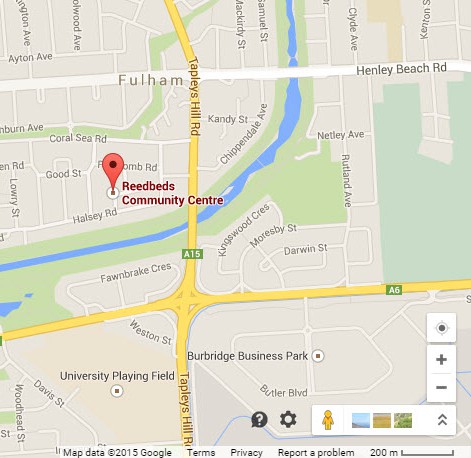


The next general meeting of the Amateur Radio Experimenters Group Inc will be held on Friday October 16th, at the Fulham Community Centre, Phelps Court, Fulham. The doors will open at 7.00pm for a start at 7.30pm.
VHF Amateur Radio for Beginners
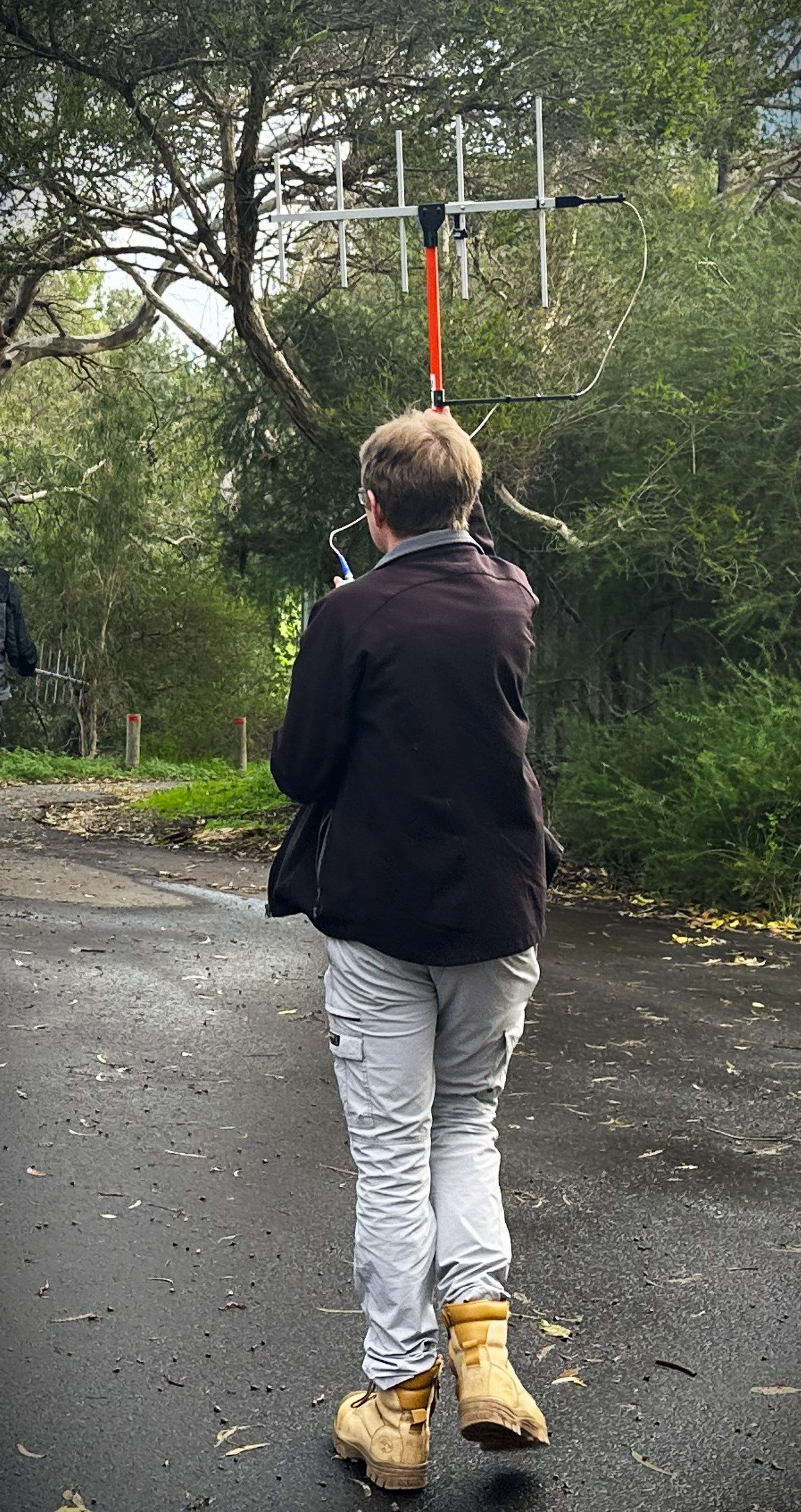
This months topic is one for both the newer members of the amateur radio community, as well as those who just like operating radios in the field. We will be taking a look at what to consider when starting out on field portable VHF communications. We will consider things like:
- what sort of equipment to take
- where should you go
- how far you can expect to communicate
- where can you learn more?
Introducing the Kilometres per Watt award!
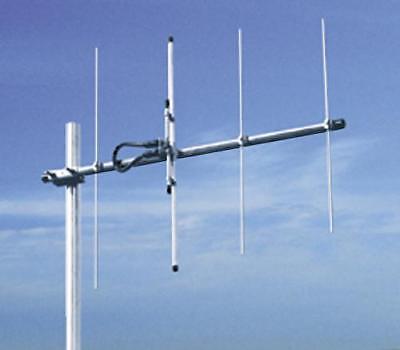 To help foster interest in VHF,. AREG is looking to run two specific activities this year. The first is our new “Kilometres per Watt” award, where the idea is to see how far you can make a 5W radio reach. There are many angles to this such as antennas, location, and propagation vs time of day to consider so this should help generate some field activity as well as some competition to see who can push their 2m band VHF signals the furthest.
There will be a certificate and a small prize awarded at the next AREG Annual General meeting for the operator (or operators – working in teams of two is encouraged) within AREG who has managed the highest kilometres per watt ratio contact during the year. Details of the award will be published shortly so people know all the rules.
VHF Sprint Contests

AREG is also looking to restart its VHF sprint contest activities, most likely on a Sunday morning.
What is a sprint contest you might ask? The goal is simple, work as many people on the 2m band as possible within a fixed 30 minute timeframe. They are designed to be fast paced, fun and provide a motivation to get out in the field to find the best hilltop.
We are hoping to potentiall make this a series of events that runs monthly at 10.00am directly after the Sunday Morning Broadcast. Preliminary details will be revealled at the general meeting on Friday night.
So where do you go to find out more? We meet at the Fulham Community Centre (formerly the Reedbeds Community Centre), on Phelps Court, in Fulham. Doors open at 7.00pm and the presentation gets underway at 7.30pm Australian Central Summer Time. For our regional and interstate members, the presentation will also be available via our Zoom meeting collaboration team.