
HOWTO: High Altitude Balloon Tracking for SHSSP Flight

Tracking Systemshabhubloogo

Project Horus has a long association with the UK High Altitude Society who provide an excellent platform for tracking on monitoring balloon flights through their habhub.org website. HabHub will again be a major focus for tomorrows flight.

How can you get involved?

The tracking system works most effectively when multiple stations receive the frames and relay them to the Internet. There, they can feed the flight prediction system which can in real time update the predicted landing zone for the balloon! So, to support this project, we are encouraging as many amateurs as possible to make an attempt to listen for and decode the telemetry and upload it to the Internet during the flight.
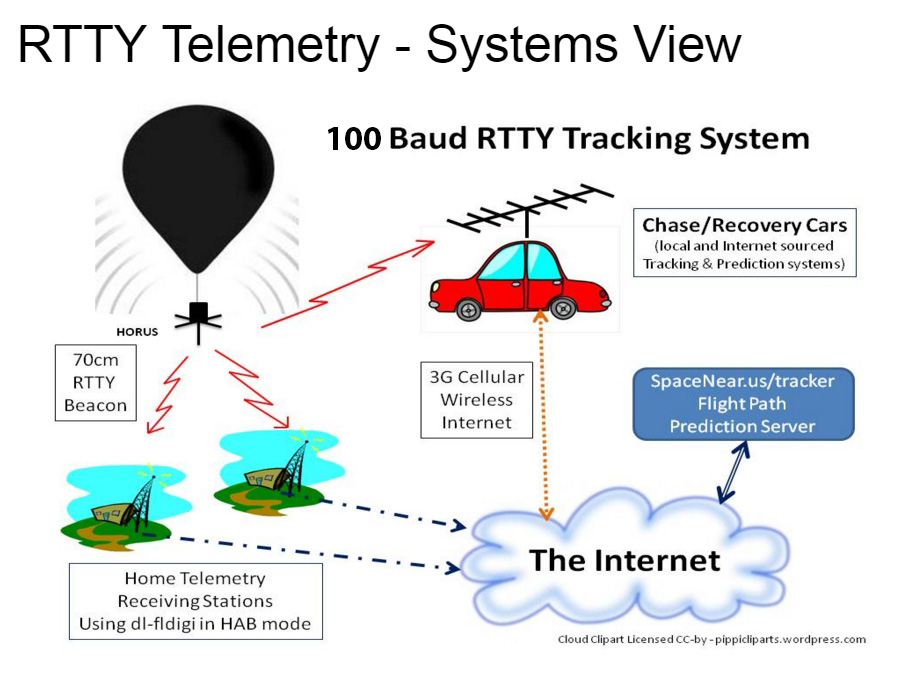
Tracking System Overview2

Flight Telemetry Details

The telemetry for the flight will be broadcast on 434.450MHz using 100 bps RTTY (7N2) under the AX5ARG-1 callsign. The callsign itself for the telemetry beacon is significant as the AX prefix being used is something that Australian amateur radio operators can only use on Australia Day. The AREG will be publishing a special QSL card to confirm reception of the balloon telemetry. To qualify, you will need to ensure that you have your decoded telemetry frames uploaded to the habhub.org tracking page.

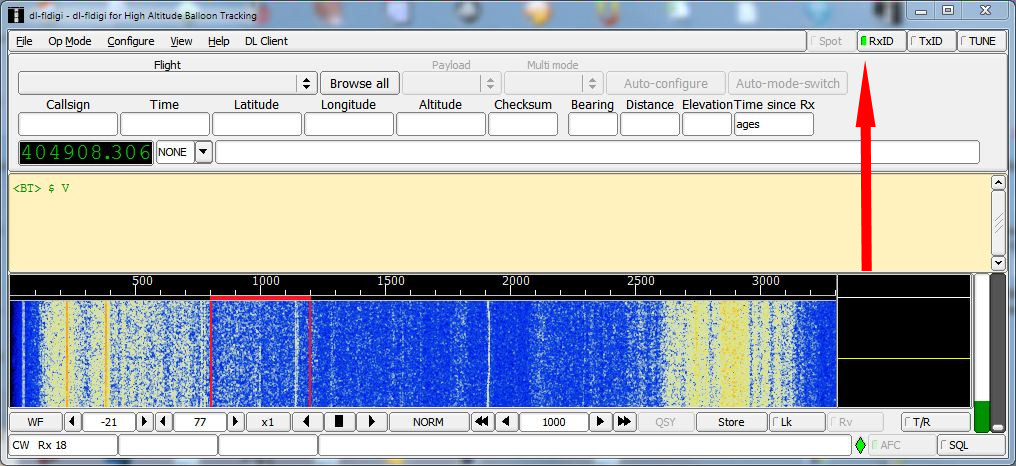
Information on decoding and uploading balloon telemetry using dl-fldigi can be found on the UKHAS Wiki Pages here or via the AREG Balloon tracking pages here 

The main telemetry payload will also be transmitting an experimental 4-FSK modem signal, developed by David Rowe. These transmissions will occur in between the RTTY packets, and won’t be decoded by dl-fldigi. More information on these experiments can be found on David’s Blog.

Lift off is planned for ~9:30am on Tuesday 26th January! See you on the air!
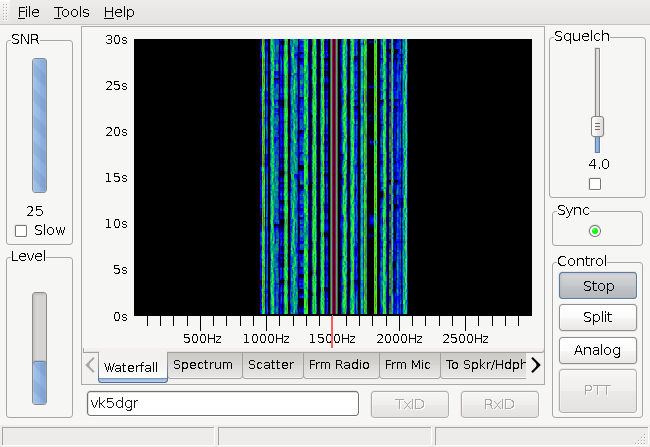
dl-fldigi-rxid

DL-FLDigi Software decoding a balloon

UPDATE: SHSSP Balloon Launch Countdown Continues!

[tminus t=”26-01-2016 09:30:00″ style=”carbonlite”  /]

Preparations are well underway now for the launch of the Stratospheric Balloon flight being conducted as part of the Southern Hemisphere Space Studies Program for the International Space University.

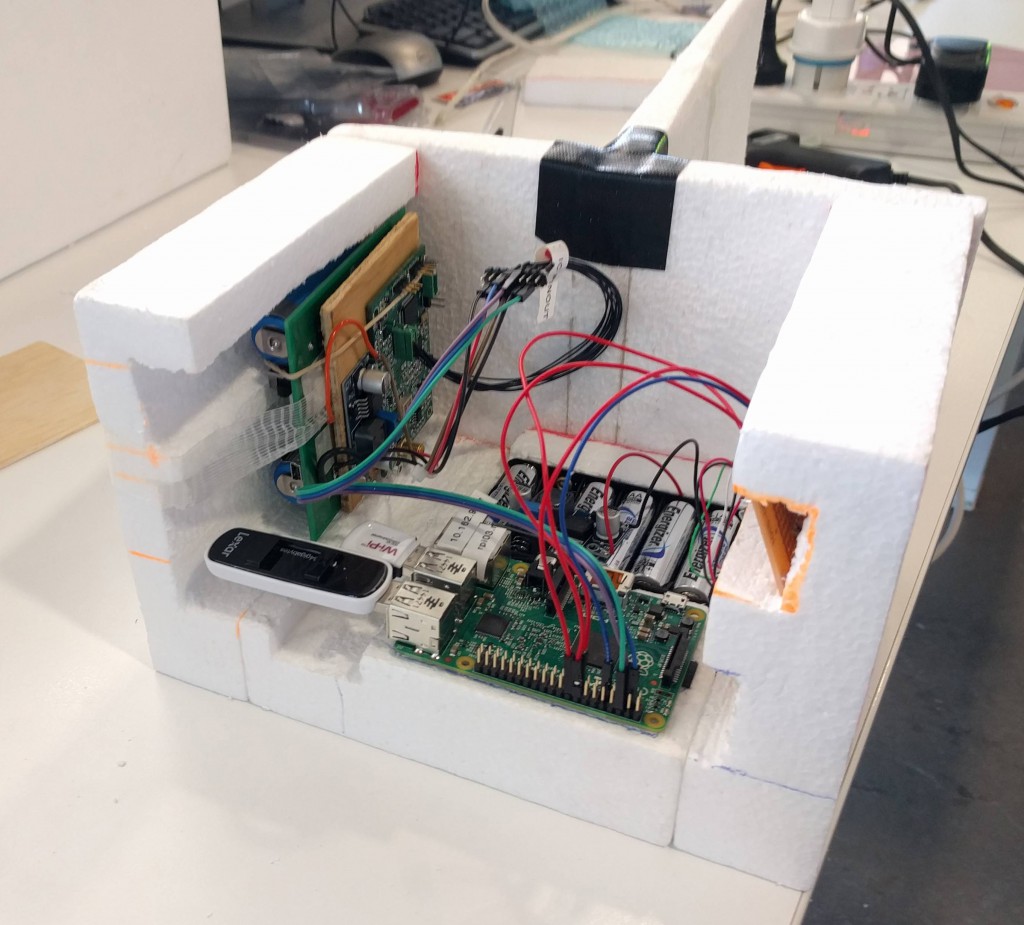
The participants are already well advanced in constructing their payload and have it on test in readiness for the flight.

SHSSP Payload

SHSSP Payload

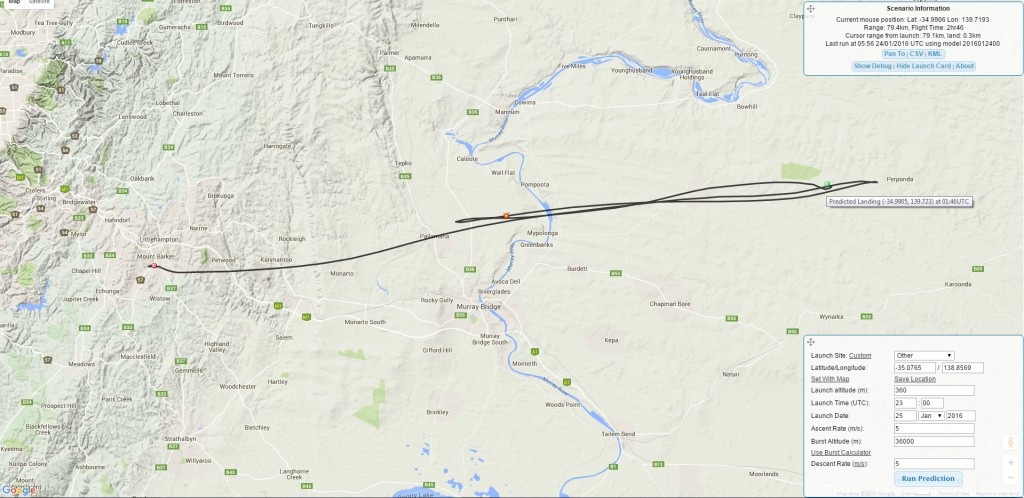
T-41hrs-prediction

Flight track prediction for Tuesday morning!

AREG and the Project Horus team are also working behind the scenes readying the chase teams and looking at the probable landing zones. The good news is that it looks to be (provided the weather holds) a textbook flight, landing in one of the teams preferred touchdown locations.


WIA Sunday Broadcast – VK5ARG FreeDV Relay on 7177kHz

wia-logo-image_1_hiresThe AREG (VK5ARG) is conducting an experimental re-transmissions of the National and VK5 WIA News Service in the FreeDV-1600 mode.

The aim is to encourage amateur radio operators to come and try FreeDV HF Digital voice.

[table “” not found /]

If you have FreeDV set up with your HF station why not tune in and see how you go? You can use one of the many open source software packages or perhaps using an SM1000 FreeDV modem to receive (and transmit FreeDV. You can visit the AREG HF Digital Voice project page for more information as well!

Callbacks are conducted after the broadcast tiki-download_fileproviding an ideal opportunity for you to experiment further with FreeDV!

You can also log your FreeDV WIA Broadcast reception report here:

For more information about FreeDV please visit the www.freedv.org website or log onto Internet Relay Chat (IRC) on irc.freenode.net. (http://webchat.freenode.net/?channels=freedv) and connect to the #freedv channel.


Update: 17th January 2016 Activity

Following on from the broadcast reports were coming in from around the country. Some could decode it successfully, some couldnt. As this is an experiment, we are interested in all results. The following are some of the feedback received:

Michael VK5ZEA in Port Lincoln (~230km away) posted these samples:

Andrew Scott VK3BA in Melbourne (~700km away) posted this sample:

Thanks to Andrew and Michael for posting samples of what they received online!

Amateur Packet Radio Networking Returns to Adelaide

After a number of years of no packet radio amprnet-editedactivity in Adelaide (except for APRS), Grant VK5GR, a member of the Amateur Radio Experimenters Group, has commissioned a new AX.25 Packet Radio / Internet gateway on the 2m band for everyone to access. The system, built on a Linux platform, will allow amateur radio operators across much of the Adelaide metropolitan area to connect to a range of amateur networking services.

The system is operating on 147.575MHz @ 1200bps using AX.25. It currently offers:

  • DX Cluster Access – internet linked – connect to VK5GR-2f6fbb
  • FBB BBS – with mail and bulletin forwarding – connect to VK5GR-0
  • NET/ROM Network connectivity – internationally linked – VK5GR-10
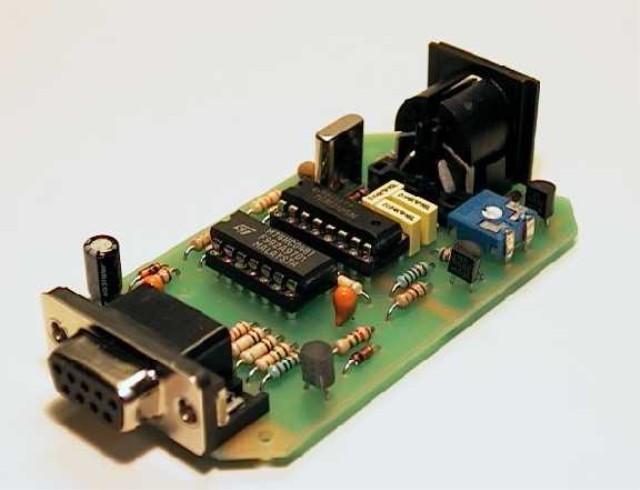
baycom

BayCOM Serial AX.25 Modem

Note: It is rather experimental still so do not be surprised if it is offline at times or doesn’t quite work properly. There are some quirks in the system that are still being ironed out 🙂

There are also plans to open a 9600 baud port possibly on 70cm. More on this once Grant unpacks more of his ’90s equipment and blows the cobwebs out of it….

How do you get involved?

So, now is the time to dust off all your old Packet TNCs or BayCOM modems, plug them back into your 2m radio and have a go!

PK87E_1

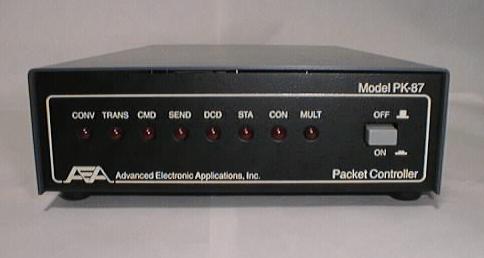
Typical AX.25 Packet Radio TNC


Software for driving TNCs and BayCOM equivalent modems is available online. TPK was one of the popular DOS based ones. There are Windows equivalents as well or you can just talk to your TNC (if thats what you are using) using any serial communications program.


There are also plans to get Net-44 routing amprnet-logoproperly established as well once new TCP/IP addresses can be registered. This is for the slightly more hard core among you who are interested in learning about TCP/IP networking. You can find many resources online describing how to take part in the ampr.org network.

If you would like to know more about this system, contact Grant VK5GR or come to an AREG meeting and chat to him about it. A talk is being planned at a future meeting to explian a little more about what has gone into building the node and how to access and use it’s services as well.

Project Horus News: HorusLoRA test flight success

Mark VK5QI in conjunction with David VK5DGR undertook the Horus telemetry test flight today and were met with roaring success. Here is a short photo blog of the day’s events.


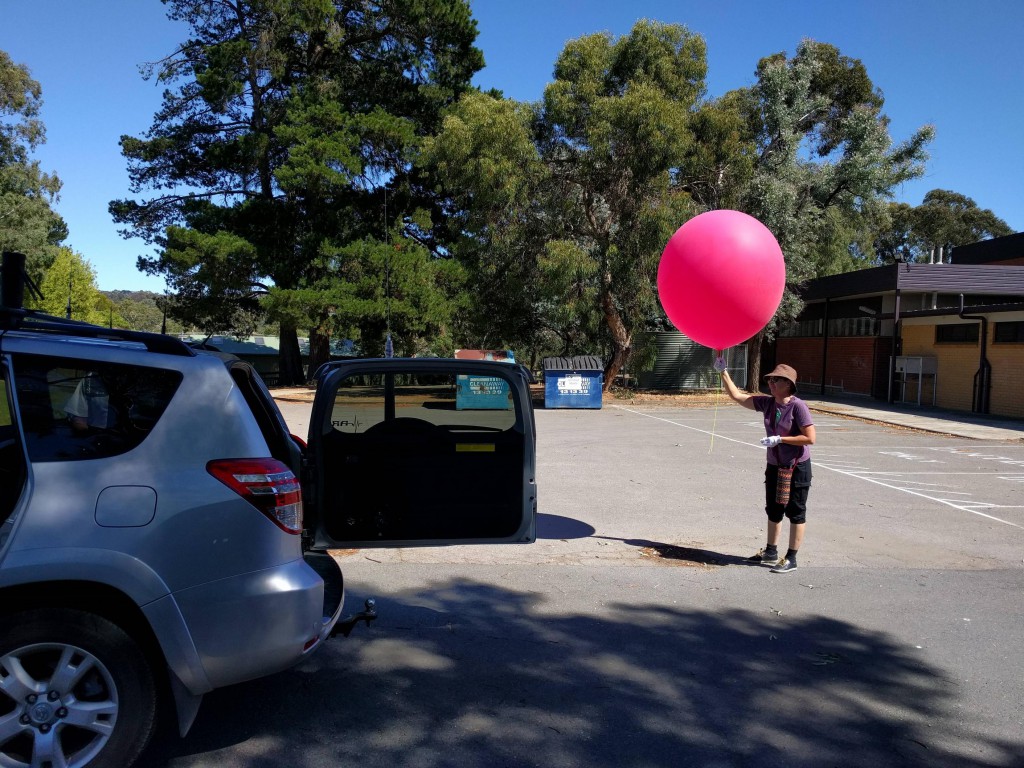
100g Totex Ceiling balloon, approx 500g of neck lift.

AglmPZi


Launch!

utu0uRC

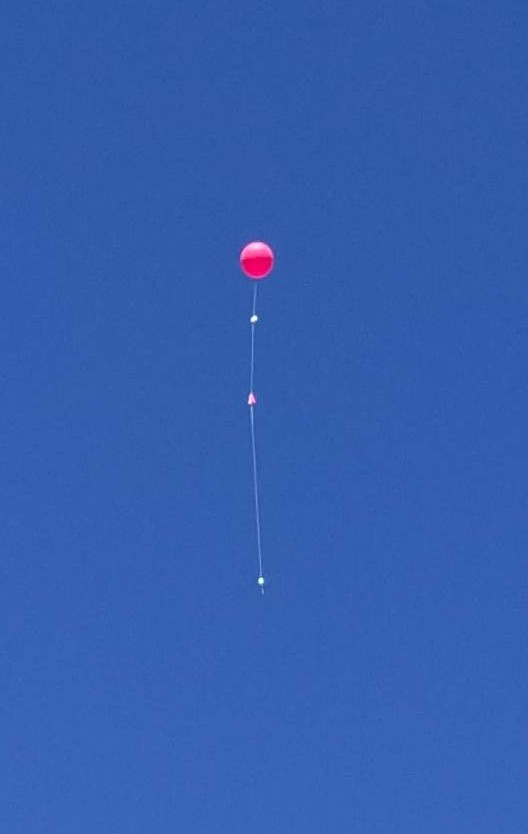
Cutdown payload just below the balloon (cutdown capsule just above the cutdown payload, though it’s not really visible in this picture). Below that is the parachute, and far below that is the RTTY payload.


Tracking from Pt Lincoln!

j3k07zG

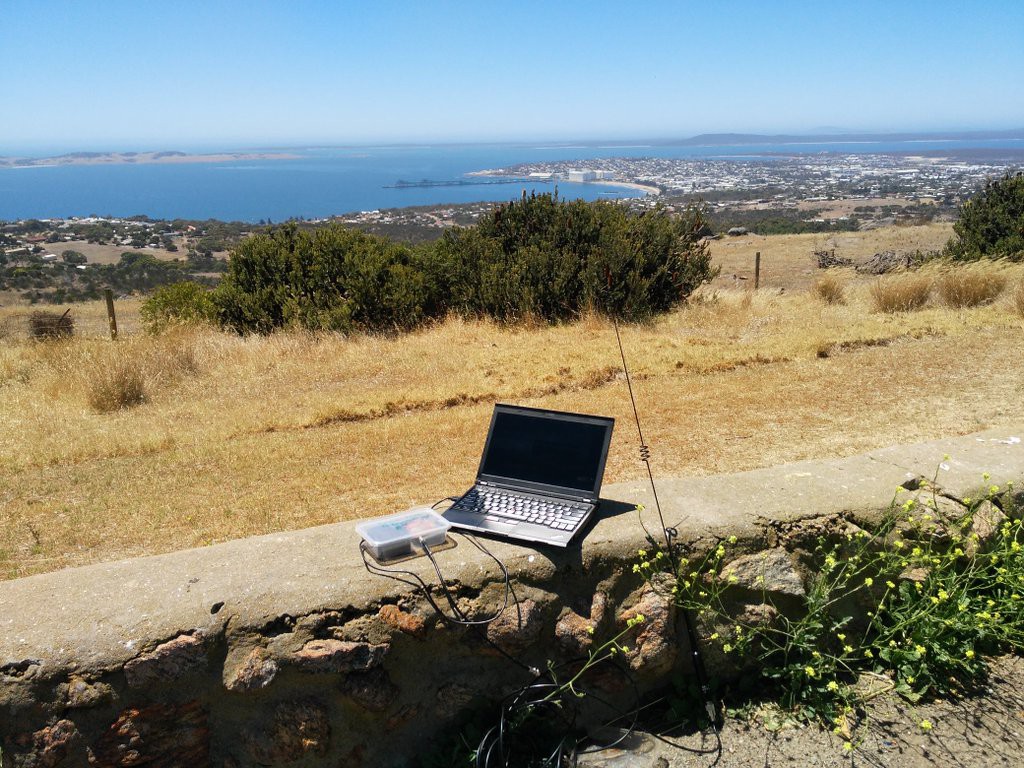
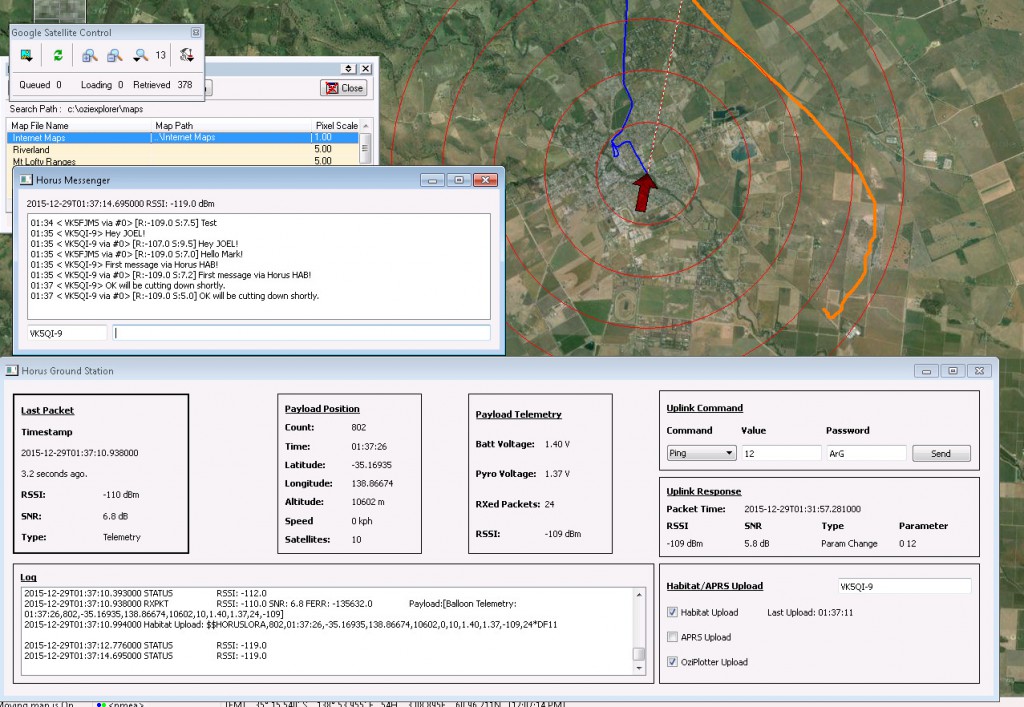
Joel Stanley (VK5FJMS) was tracking from Winters Hill in Pt Lincoln, and was able to ‘ping’ the payload using a fairly modest antenna setup.


Horus Messenger!

eXZVK6C

Screenshot of the ‘Horus Messenger’ software in operation. This allows us to transmit text messages from the LoRa ‘ground stations’, which are then digi-peated by the balloon payload. You can see a brief chat between myself and Joel.


Cutdown time!

3cKOmER

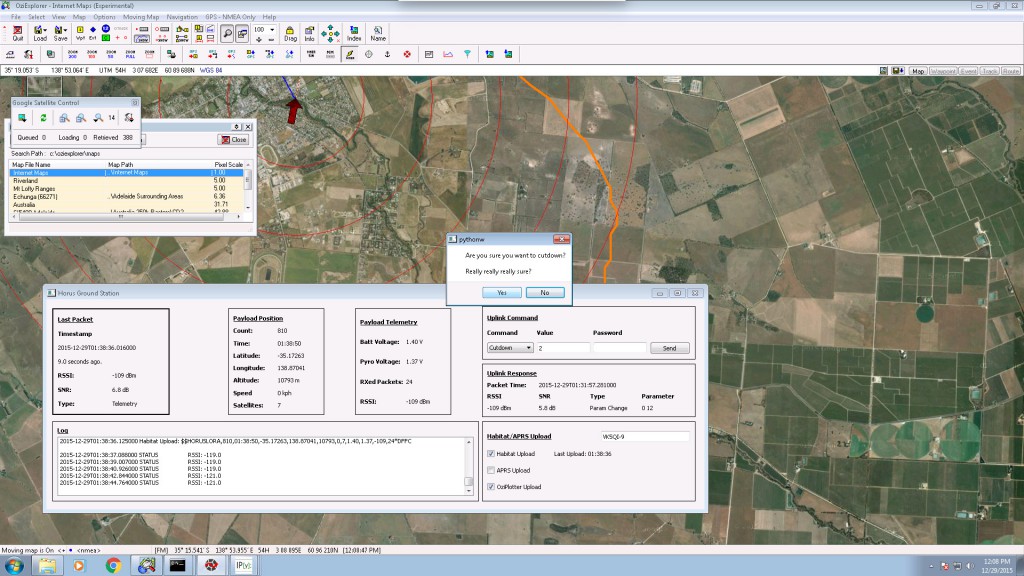
Do I really really want to cutdown? Yes, yes I do!


Landing Site Map

BrOuH4Y

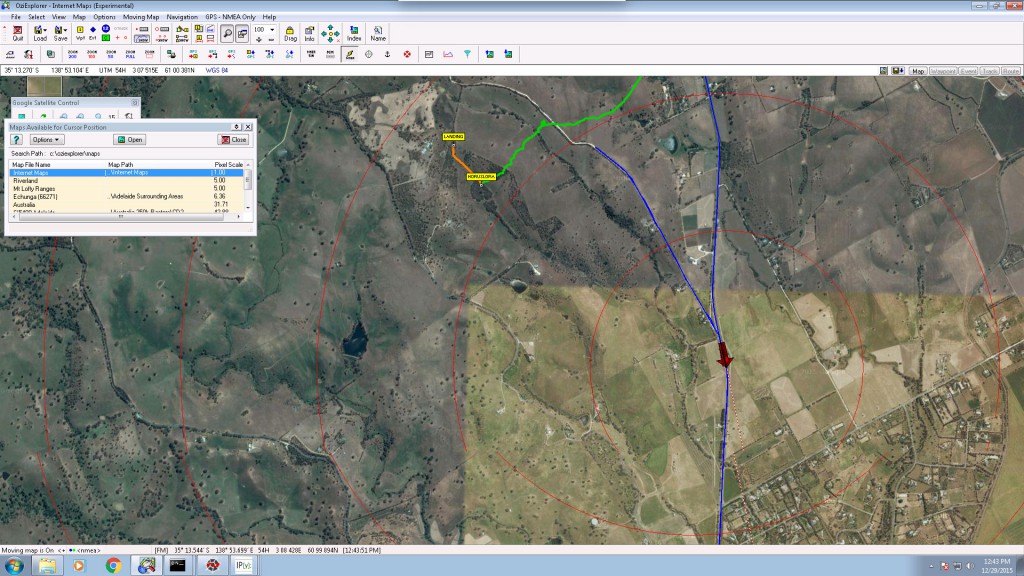
(With us heading back to a road that gets us closer to the landing site)


Landing Site

AVam2uK

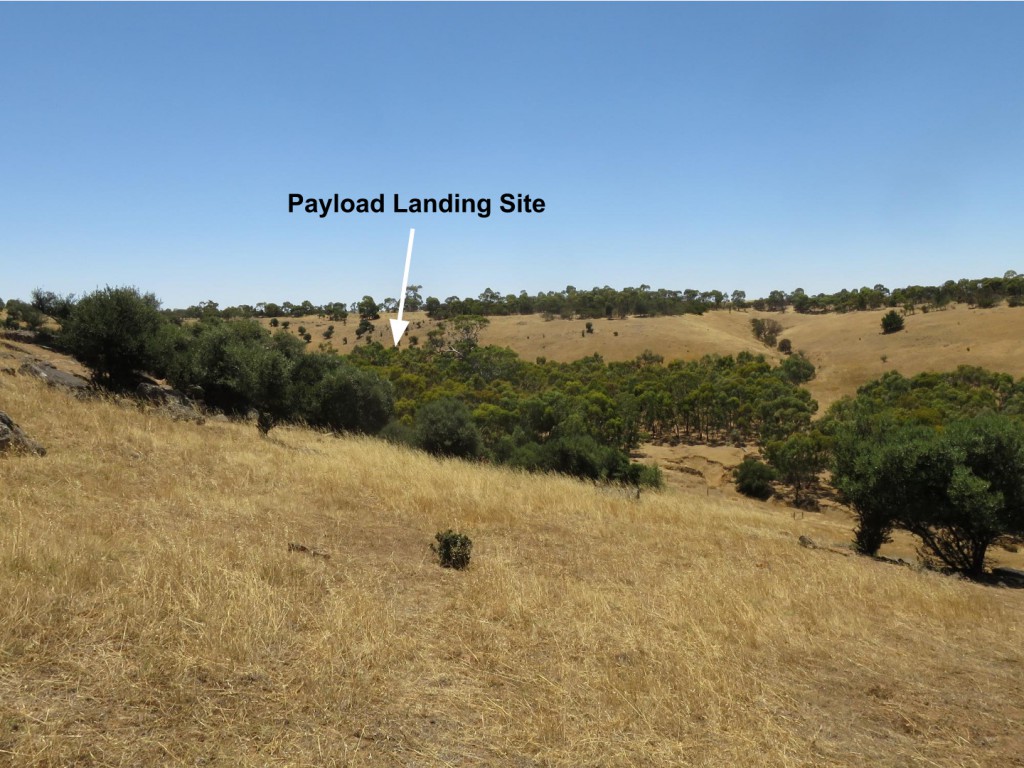
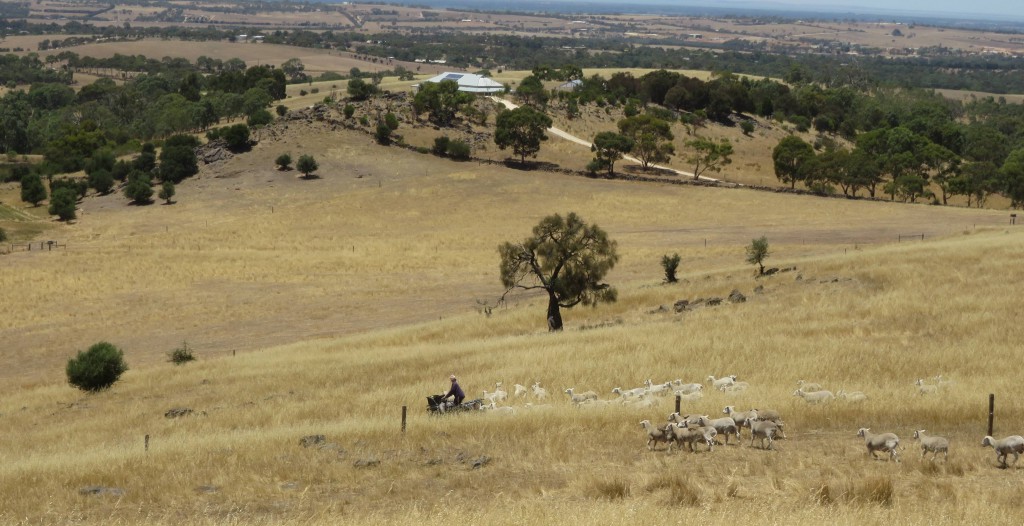
Lots of gum trees. The landowners (Alex and a nice lady who’s name I can’t remember) were very nice retired couple, who assisted us in getting to the landing site through a number of sheep-filled paddocks.


Quad-Bike Assist

A2dWQqw

One of the landowners driving down to open some gates and disable some electric fences for us.


David (VK5DGR) DFing

N1KmGbn

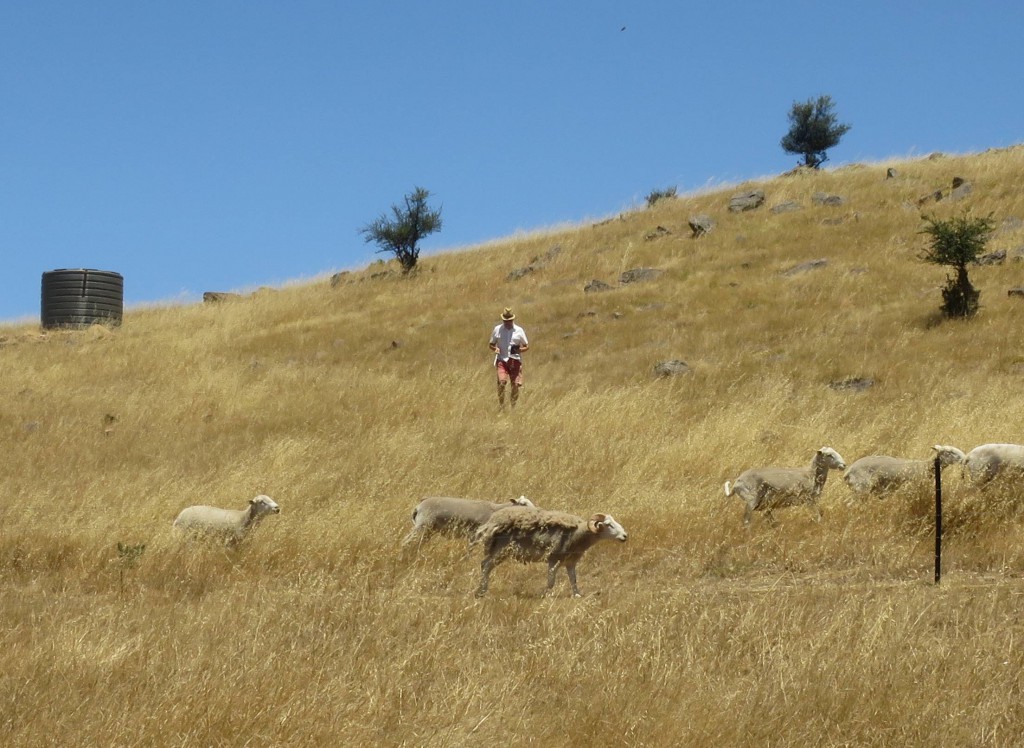
David Rowe doing some direction finding on the RTTY payload. Also sheep.


Recovered!

CN2I9q0

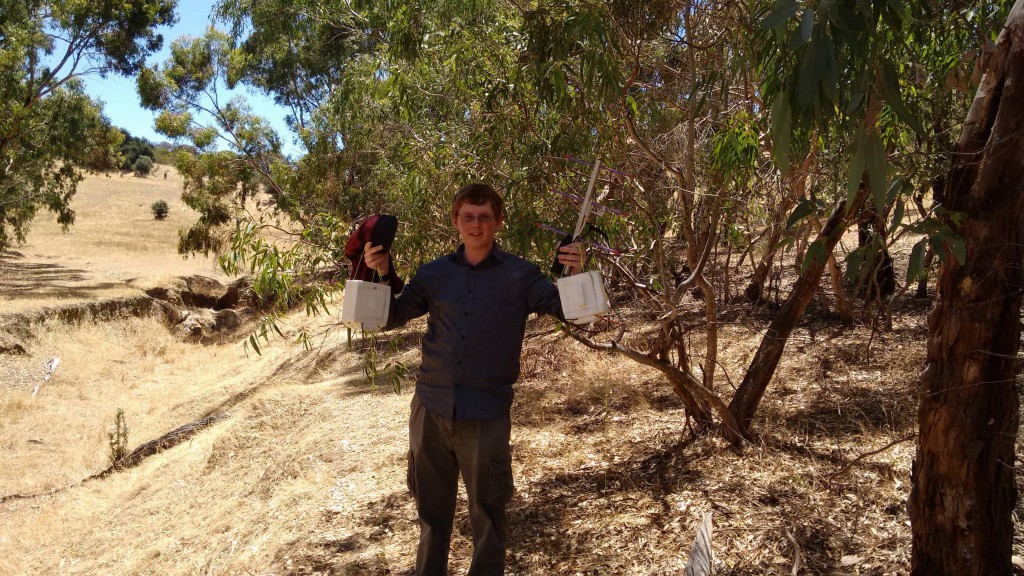
The payloads were found hanging from a gum-tree, about 2m above ground level.

Project Horus Launches Planned: 29th Dec & 2nd Jan

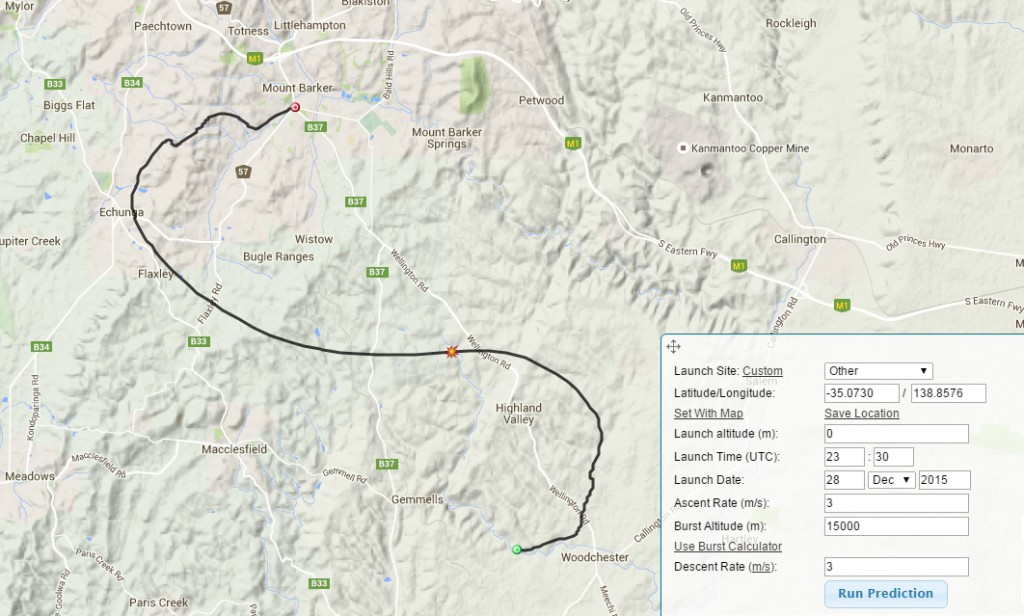
IMG_1204Mark VK5QI is planning to launch a couple of ‘medium’ altitude balloons this week as test flights of a new LoRa based flight termination controller. The first is tomorrow Tuesday (29th), and one possibly on Saturday (2nd Jan). Both will be launched from the Mt Barker High School Oval, and will only have a maximum altitude of 15km or so.

Testing new Command Systems

The primary aims for these launches are:

  • Test the LoRa RF link.
  • Test some new uplink & message-digi-peating features of the payload.
  • Test a new cut-down mechanism (something with a little more ‘bang’ than before.

LoRa payloads have flown on the last few Horus launches, as a lead up to the retirement of the current ‘Osiris’ cutdown payload, which uses a now-obsolete FSK modem-on-a-chip. The new LoRa payloads have the potential to provide a more reliable uplink using far less power. The downside is that specialised receiver hardware is required (well, as specialised as a module you can buy on eBay for $10 is) . As such, it’ll only be used on the cutdown payload, where the only people really interested in it are those of us in the chase cars who are trying to recover all the shiny cameras hanging beneath the balloon!

Where to Listen?

Both launches will be at 10:30AM CDT, and will have the following payloads attached:

  • RTTY Telemetry: 434.450MHz, 100 baud 7N2 (Use dl-fldigi to decode this as usual)
  • LoRa Payload: 431.650MHz, 125KHz bandwidth, 4/8 Coding Rate, SF10

As always, trackers are appreciated. The flights will be able to monitored via www.habhub.org

HorusLora Track Prediction

Breaking News: WIA News FreeDV Experiment Sunday 6th Dec

To continue promotion of the FreeDV mode, the AREG this coming Sunday is planning to attempt a relay of thethe WIA news using the FreeDV 1600 mode on 40m. The operating frequency will be around 7.177 from 9am CDST (2230UTC) with a FreeDV 1600 net Planed around 9:30am (2300UTC). A FreeDV 700B net will follow after the 1600 mode one.

Andy VK5AKH will be transmitting the WIA Broadcast and acting as net control. He will monitor the FreeDV QSO finder, IRC etc for feedback during the broadcast. If the worst case arises and we can’t get the Broadcast working there will still be an on air gathering at 2300UTC of FreeDV stations.

Andy runs a rotary dipole and would expect that 50W of freeDV should reach most of SE Australia fairly well at this time of the day, so tune in and have a go!