January General Meeting

Happy New Year to everyone from the Amateur Radio Experimenters Group, we hope that your projects and DX activities are fruitful for the new year.VK5GR portable VHF Field Day Jan 2016_4

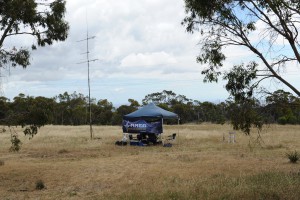
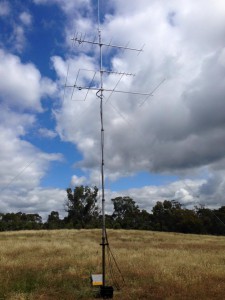
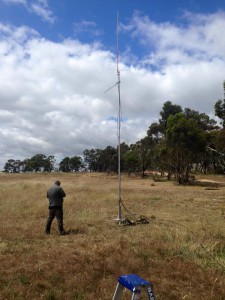
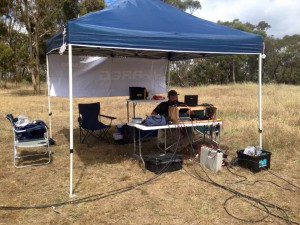
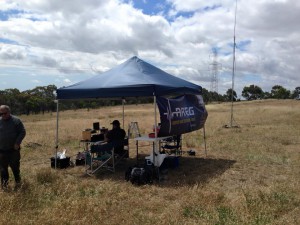
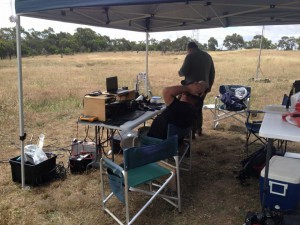
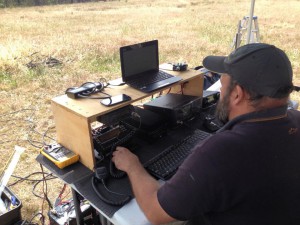
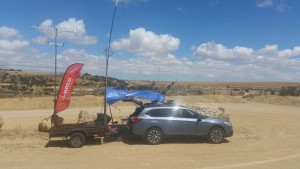
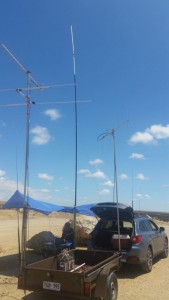
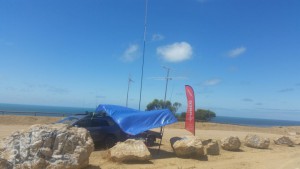
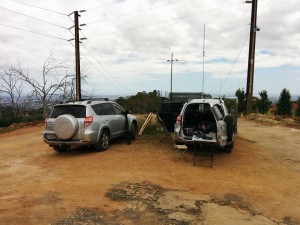
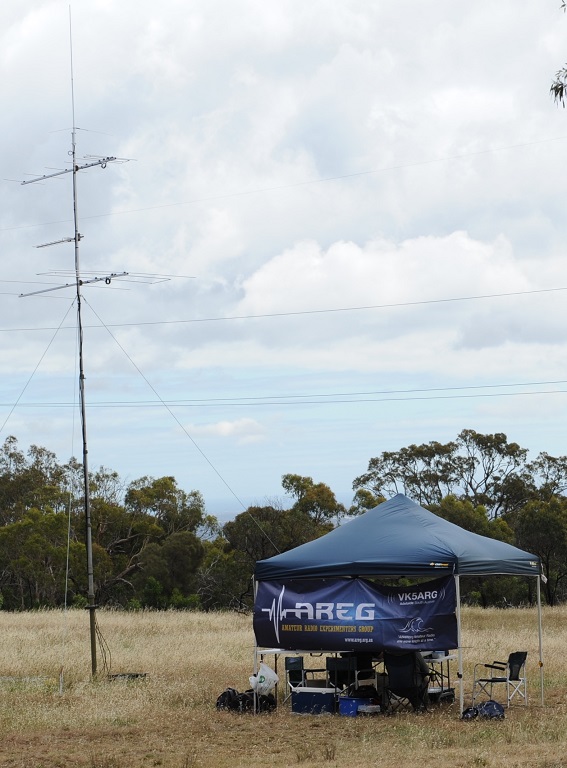
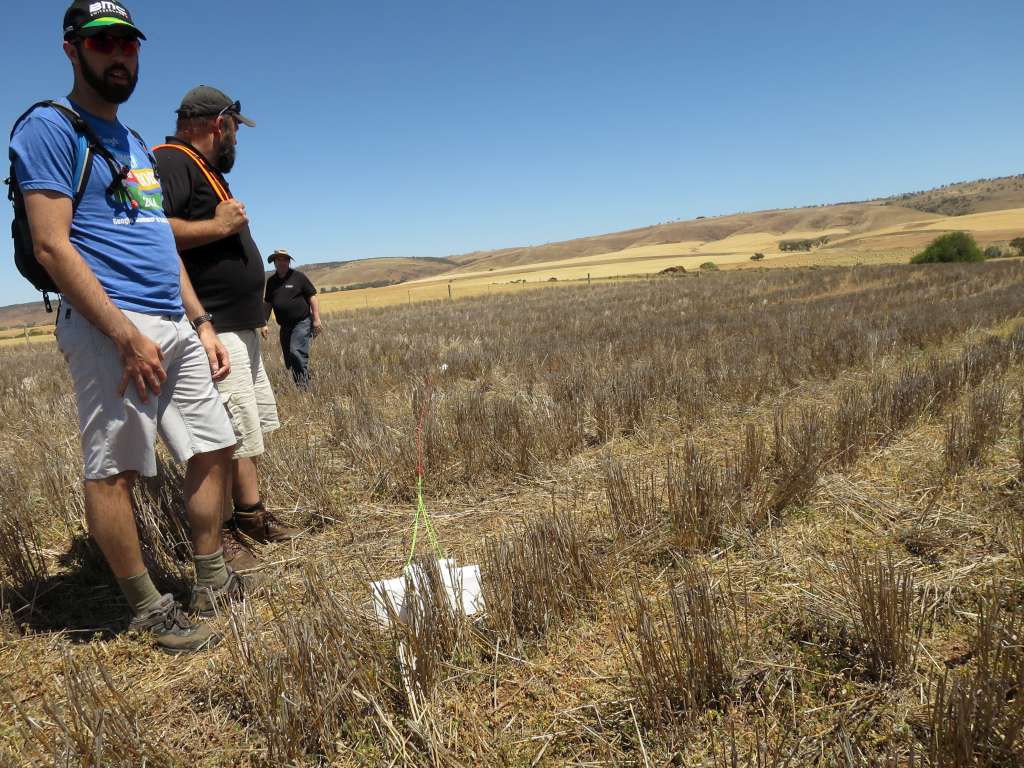
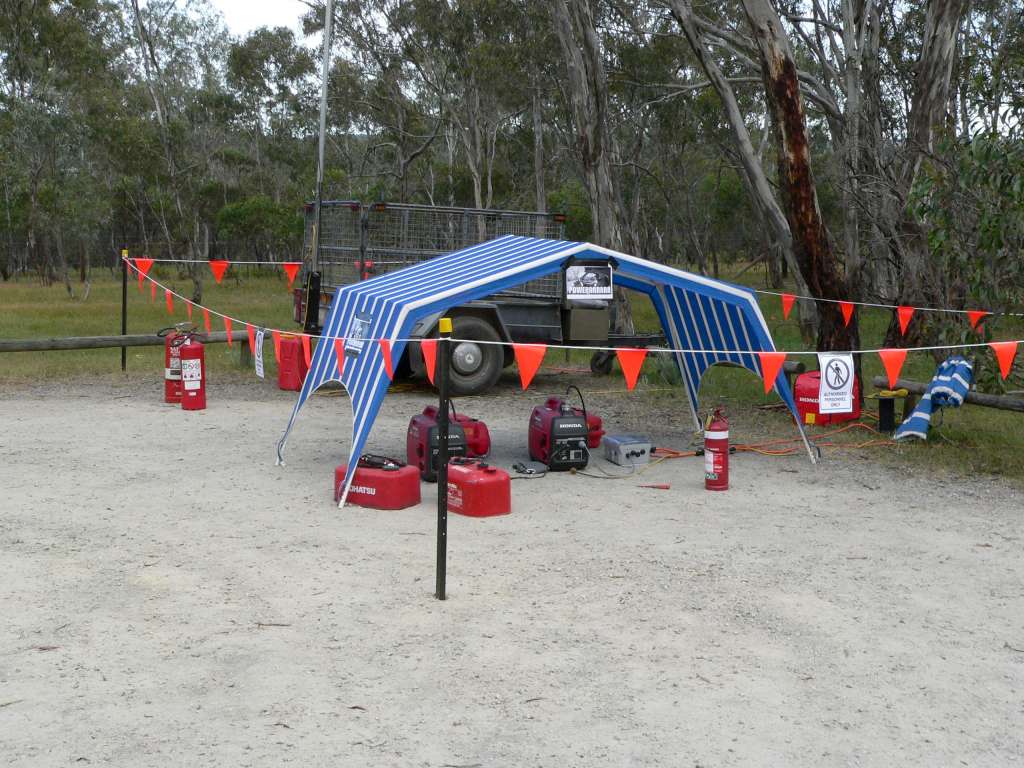
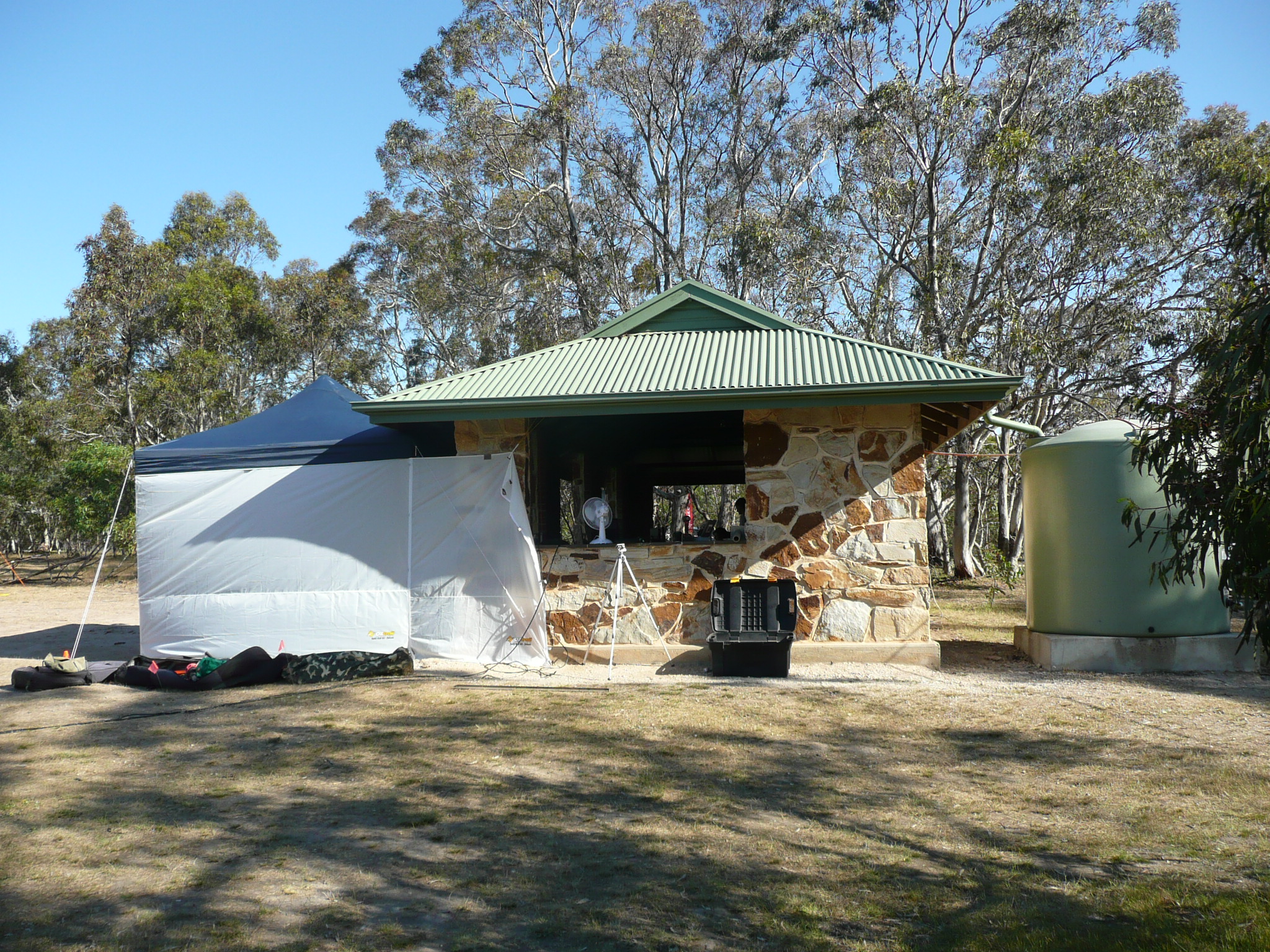
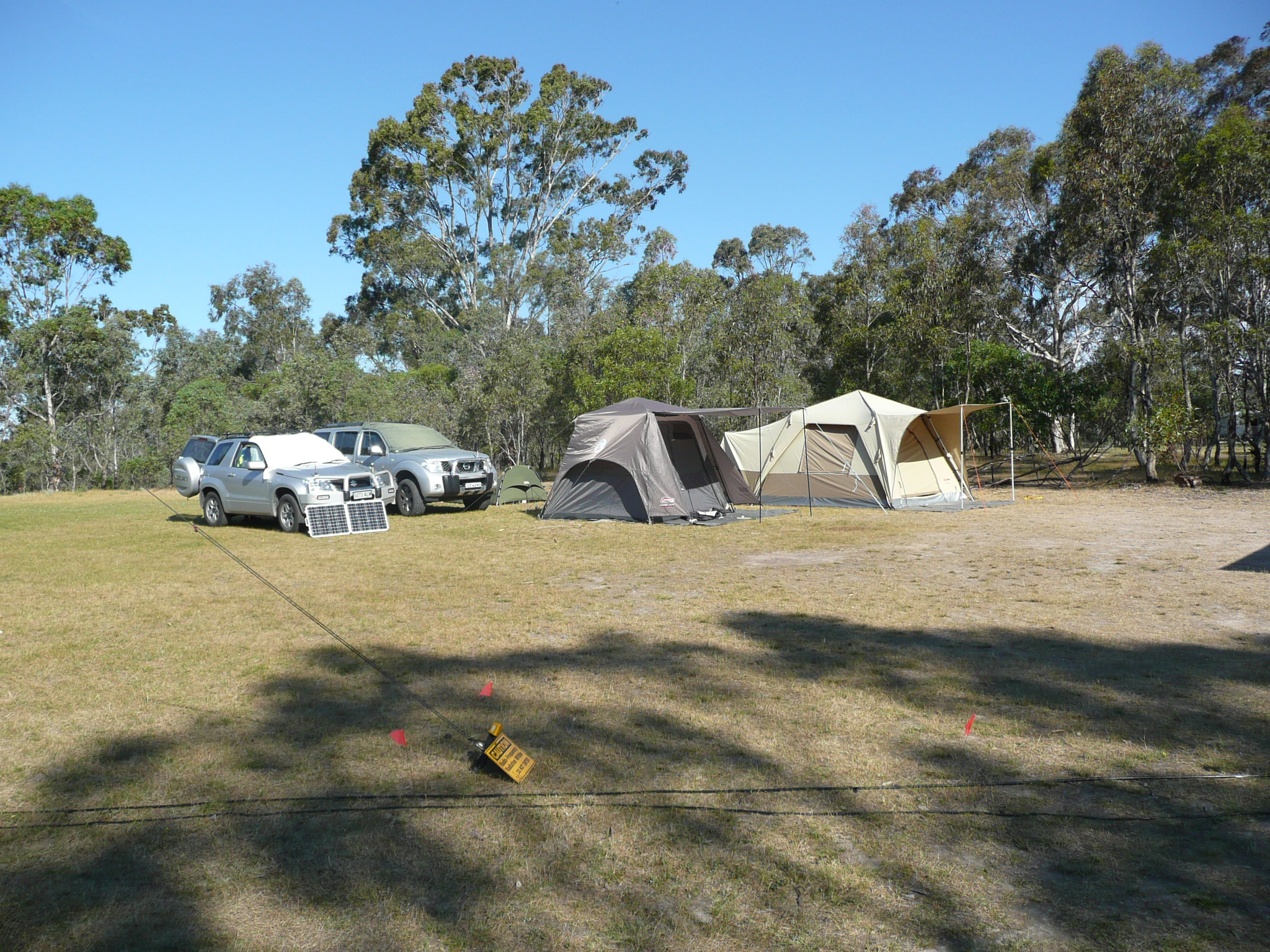
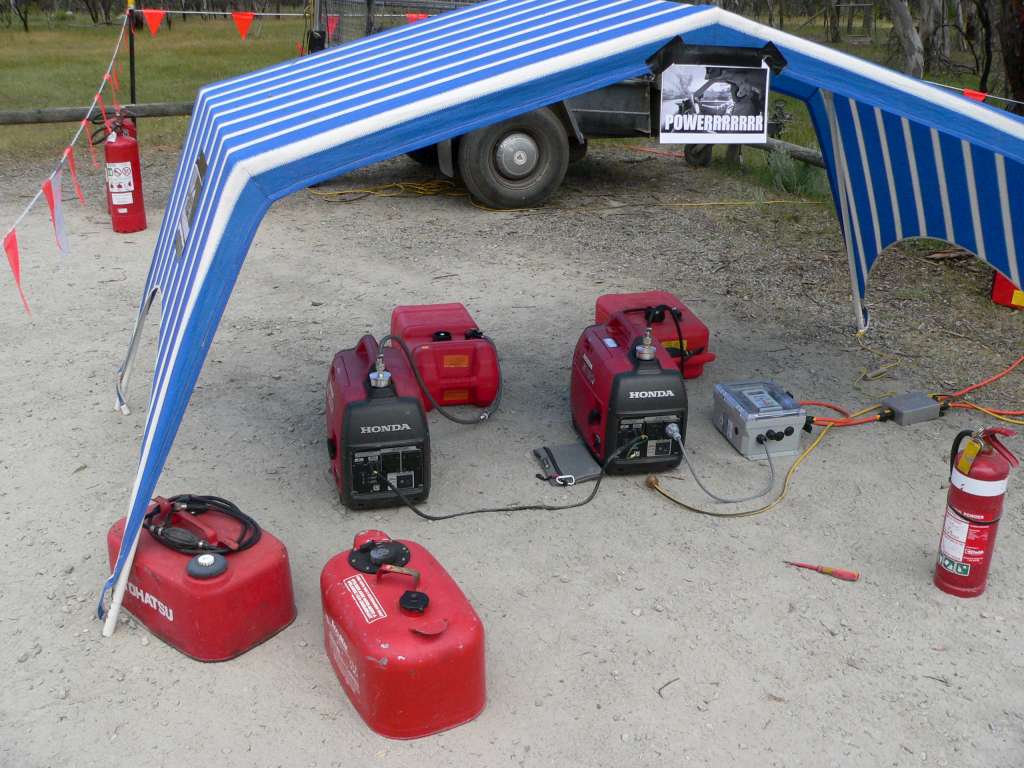
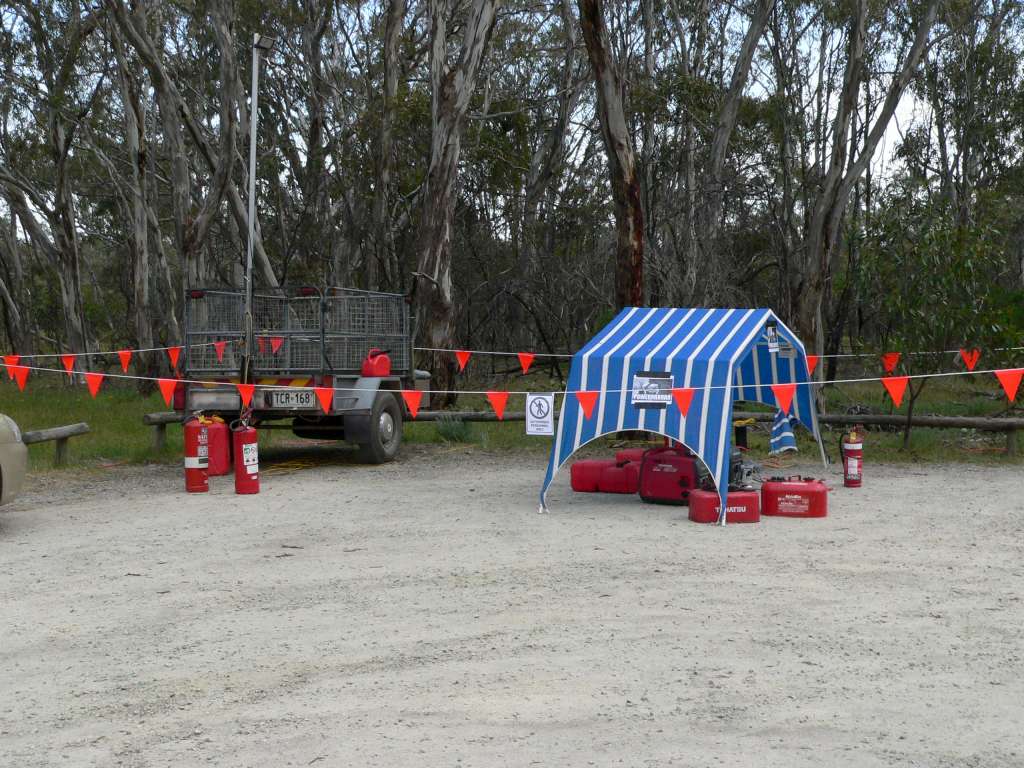
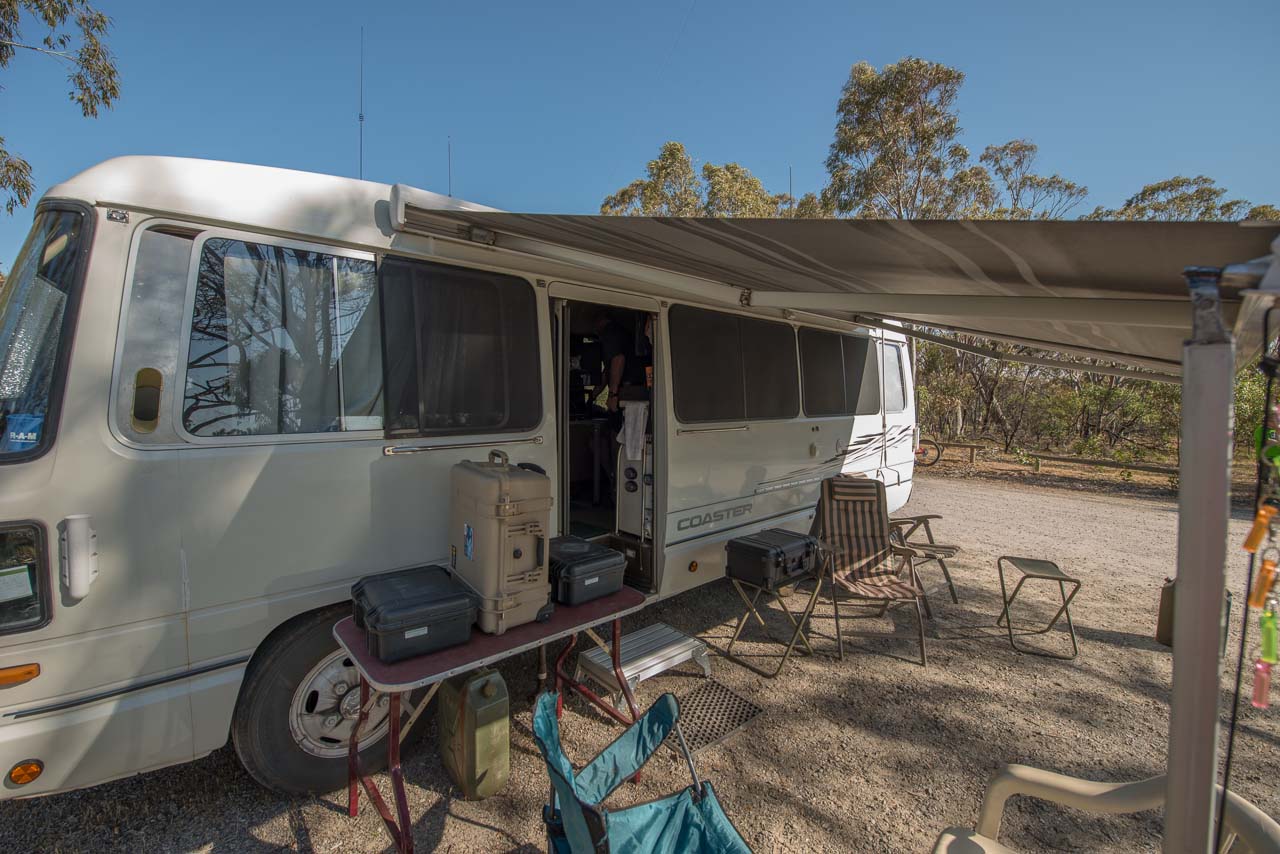
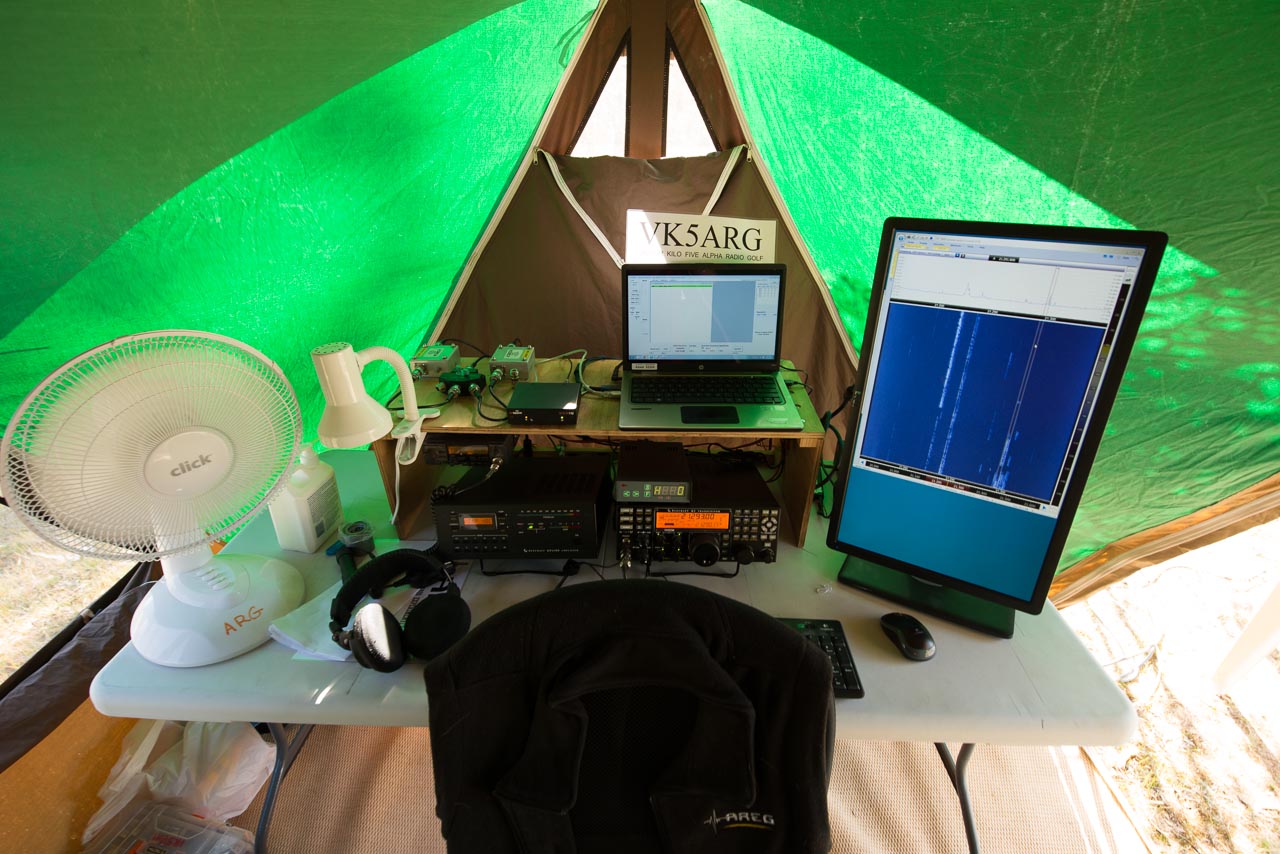
AREG has started the New Year with the club station VK5ARG actively participating in the Summer VHF Field day contest this week, as well as Matt VK5ZM and Grant VK5GR going roving in the contest (VK5GR mobile 6m, 2m & 70cm, multiple grids on York Peninsula).

15th January General Meeting

AREG’s first general meeting for the new year is this coming Friday 15th January 2016 at the Reedbeds Hall, Fulham, doors open at 7:30 pm.

This meeting will be a business meeting followed by open general discussions, where you can enlighten the group on your latest ham radio related endeavour or project.

The invitation is open to everyone interested in ham radio activities, so come along and meet the AREG members, put a face to those you may have had QSO’s with over the last year and enjoy the evening with an active outgoing group of technically minded people.

Coffee, tea and cake will be on for a light supper to round off the evening.


AREG’s General Meeting for December

Well it’s that time of the year again, when the active Ham starts to think about what he would like to find under the Christmas Tree?K3 under Xmas Tree

A K3, or KX3, maybe even the KPA500? Well one is allowed to dream is one not?

AREG’s next General Meeting is this coming Friday night, 18th December.

This will not be a business meeting but a get together of interested amateur radio operators in a social evening where they can recount and discuss experiences and events of the last 12 months.

Everyone is most welcome to come along and visit the AREG meeting, meeting members, many of whom you have probably spoken with over the last 12 months so now is the time to come along and meet those from the other end of those QSOs.

The meeting will be at the Reedbeds Hall, Fitch Road Fulham, doors opening at 7:45 pm.

Coffee, tea, cake and other nibbles will be on for a light supper.

This coming Friday the 18th December, 7:45 pm, so come along, everyone most welcome.

20th November Meeting: VHF/UHF Contesting

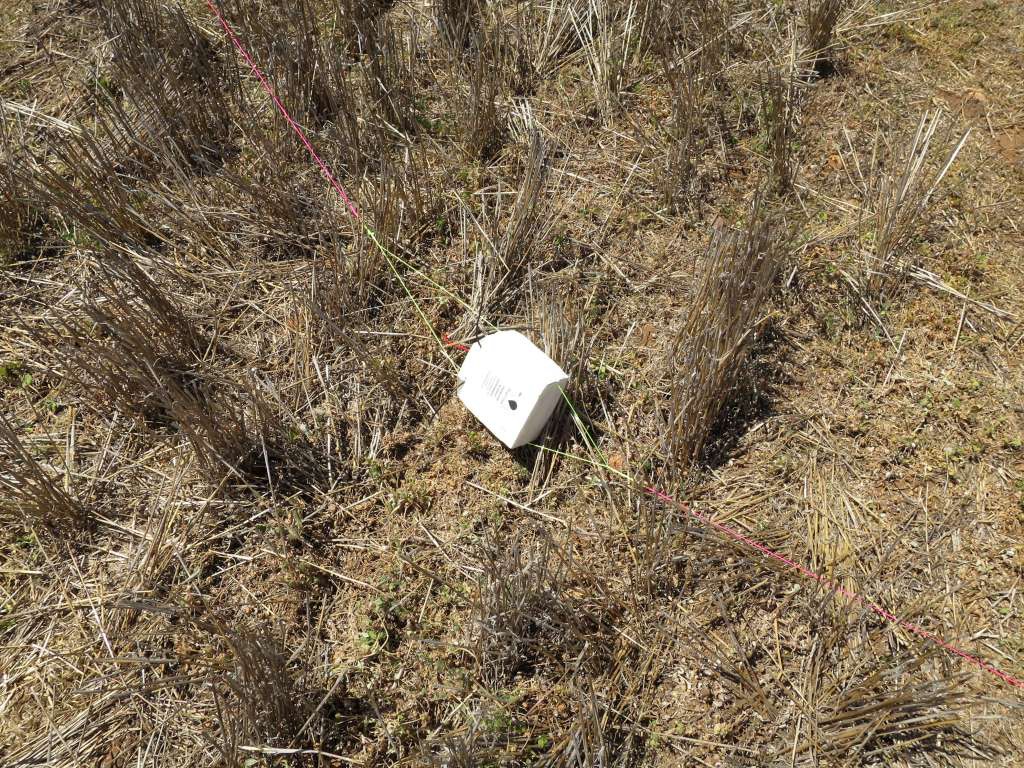
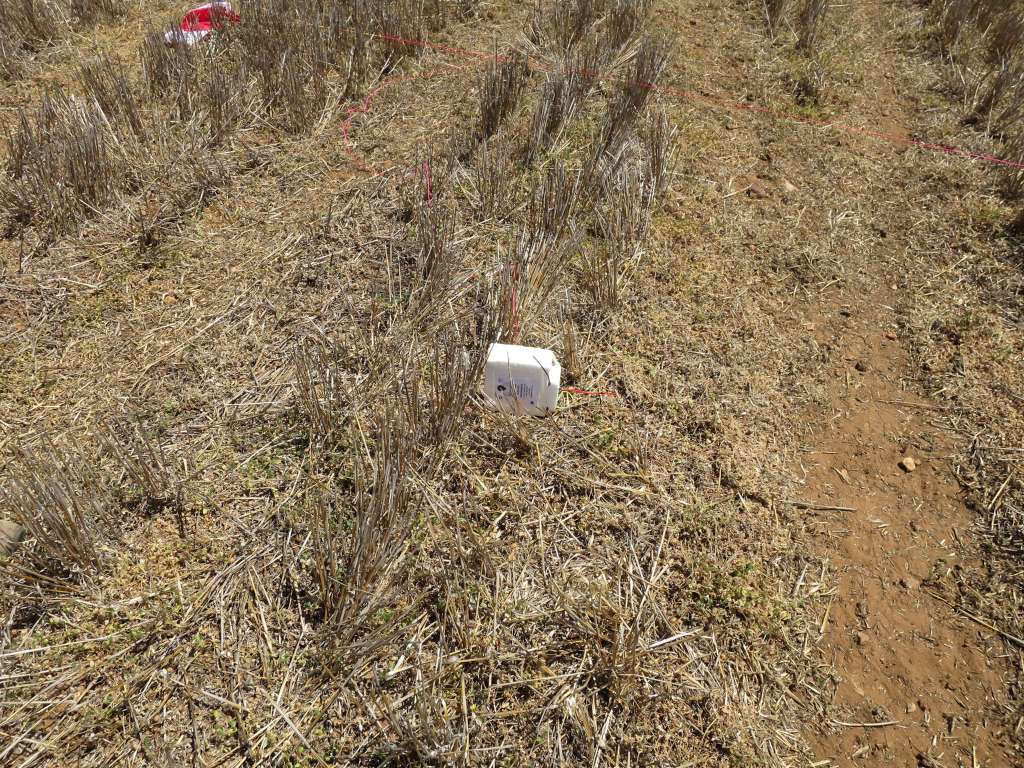
VHF/UHF Spring Field Day - VK5ZM 2015

VHF/UHF Spring Field Day – VK5ZM 2015

Have you thought about trying any of the VHF/UHF field days?  Do you still have fond memories of being a “Z-call” when the lowest frequency you could operate on was 29MHz FM?

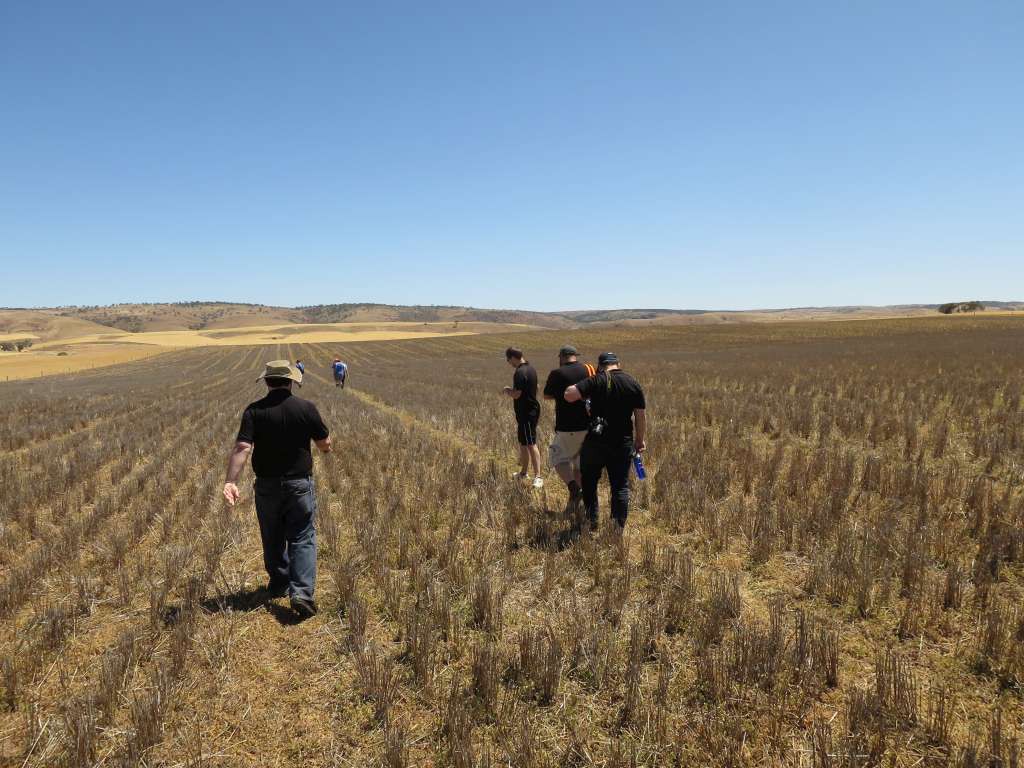
Well a few of our members thought it would be fun to head out and participate in the Spring VHF/UHF Field Day on the 14th and 15th of November.  For some of our members it had been more than 17 years since they had done one of these events.  This was also a welcome break from the usual HF contesting our members have been doing lately.

So this month we’ve asked these enthusiastic members to put together a short series of 10 minute presentations about what they did, how it went and was it still fun to be a “Z-Call” again.

So if you’d like to hear more about what it takes to participate in a VHF/UHF field day then come along and I’m sure there will be something there for everyone.  It should be a good night out and if the enthusiasm of our members who participated this year is any indication, this could be infectious.

The meeting club rooms will be open at 7:45pm with the presentations starting at 8pm.   This will also be the last formal presentation/meeting for the AREG in 2015.

As well as the formal presentation there will be ample time to meet with AREG members and talk about any and all things Amateur Radio. Visitors are most welcome, so please come along all and say hello! If you need help finding the hall, call on the VK5RSB 439.900 repeater (91.5Hz CTCSS).

Coffee, tea, cake and 2m LFA designs will be supplied as a light supper.

73, Matthew VK5ZM

LaunchBox Horus Balloon Flight 18th October 2015

IMG_1767-1024

Grant VK5GR holding the balloon just before launch

This weekend was the first Project Horus activity for this year, when we teamed up again with LaunchBox to put a School payload aloft. The students designed a number of experiments and flew them in a payload chassis supplied/organised by LaunchBox. Project Horus then provided tracking telemetry payloads and recovery teams and vehicles plus flight engineering services to the LaunchBox team to enable them to get the student payloads aloft.

The large turnout of students on a Sunday morning showed that there is still plenty of curiosity and interest in science in schools which is great to see! This was especially so considering the types of questions the AREG team was fielding, which bodes well for science education.

Launch Operations

Filling and launching went without a hitch, and the changes to the regulator and filling system that allowed the balloon to be filled in under 5 minutes was a welcome improvement! Thanks Dennis VK5FDEN for helping out with this.

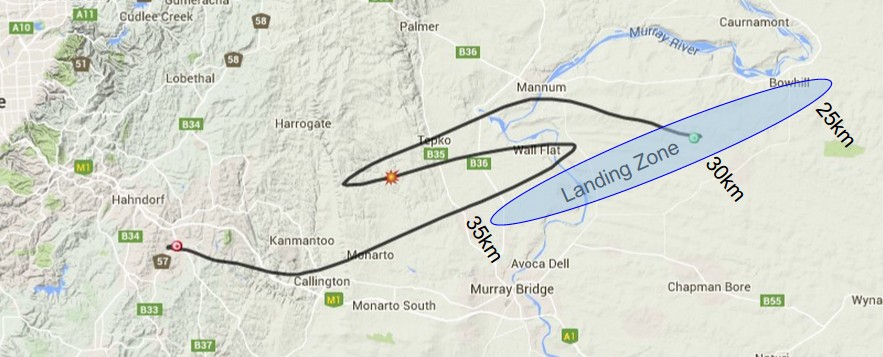
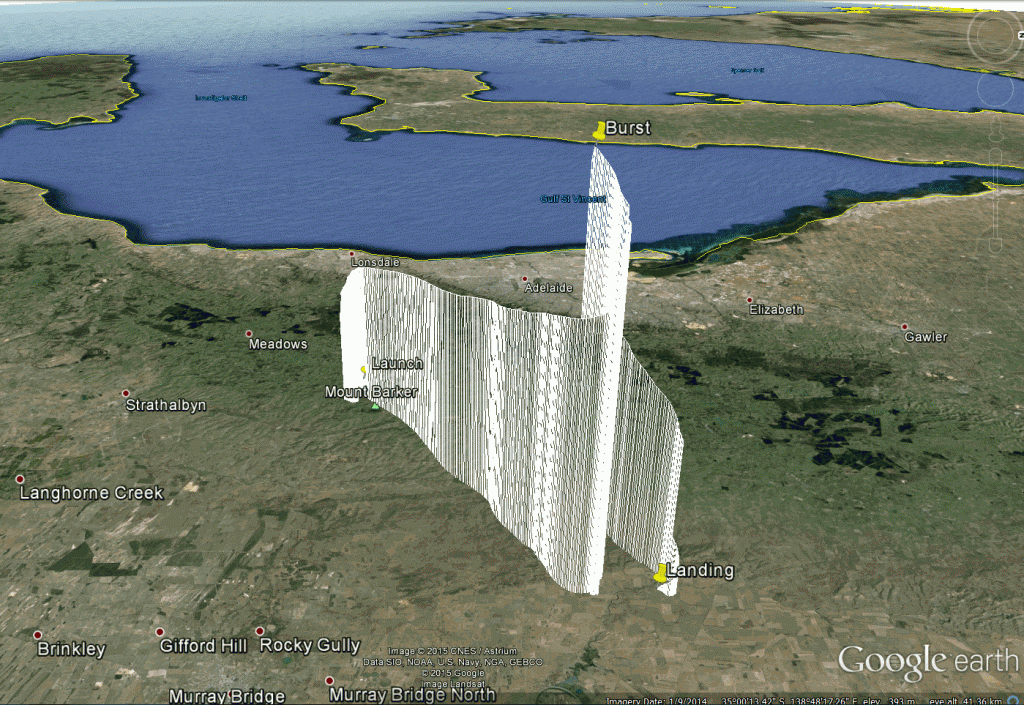
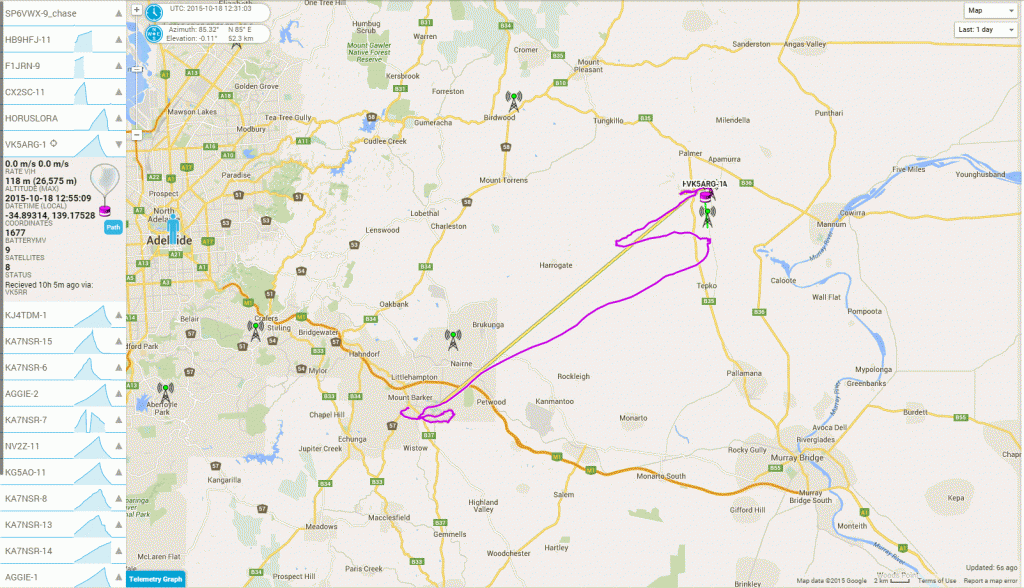
The flight was planned so that recovery would be relatively painless, with the target area being somewhere in the vicinity of Palmer in the Adelaide Hills. This level of control is only possible because of the flight tele-command capability that the team has devised, and plays a big part in the success of these flights for groups like LaunchBox.

Tracking Network

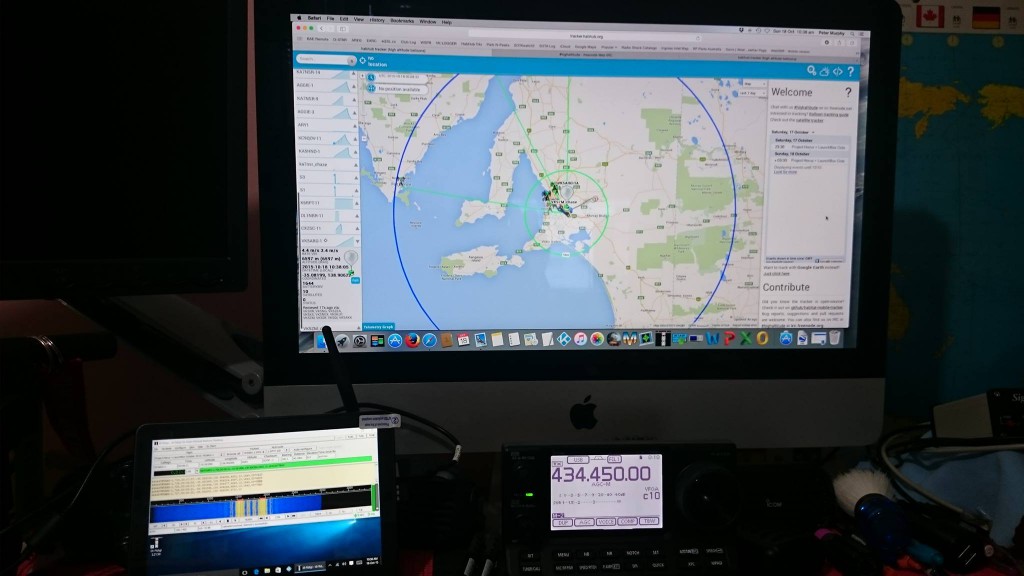
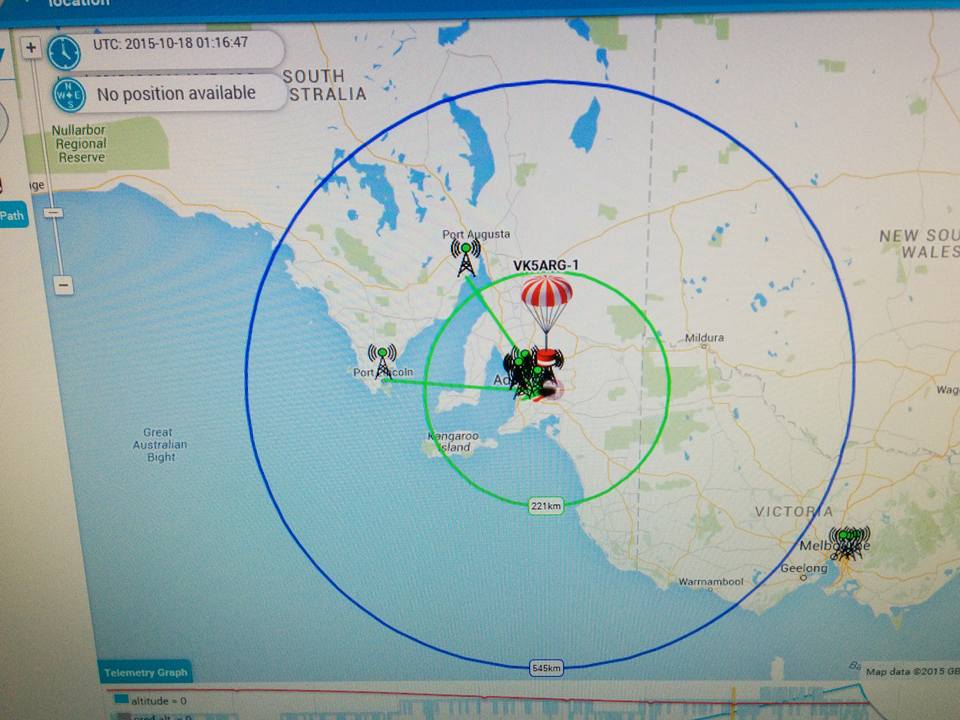
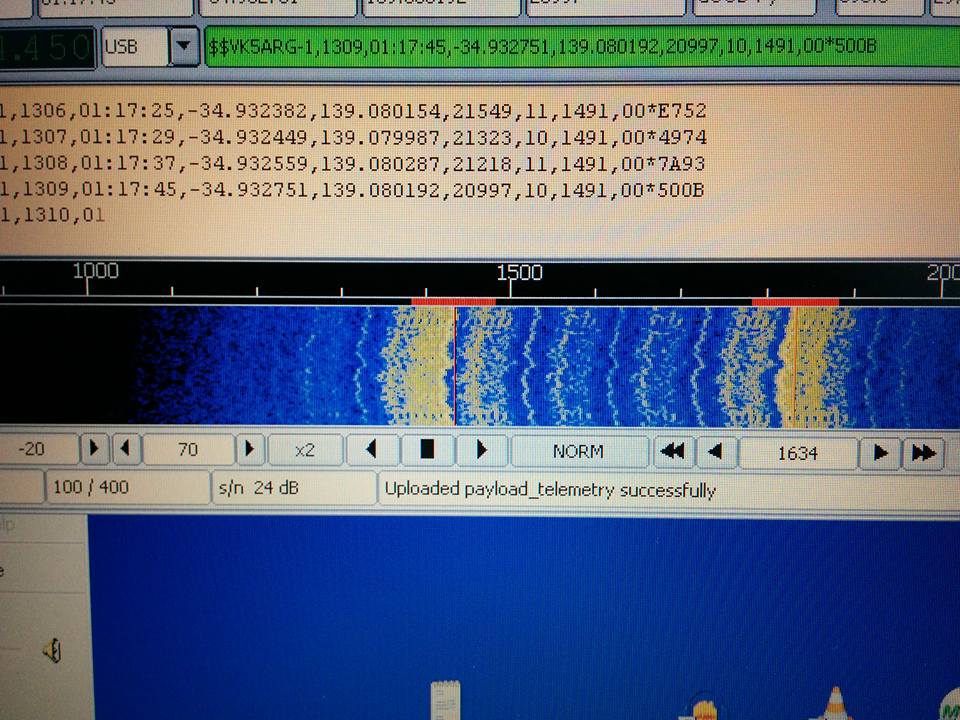
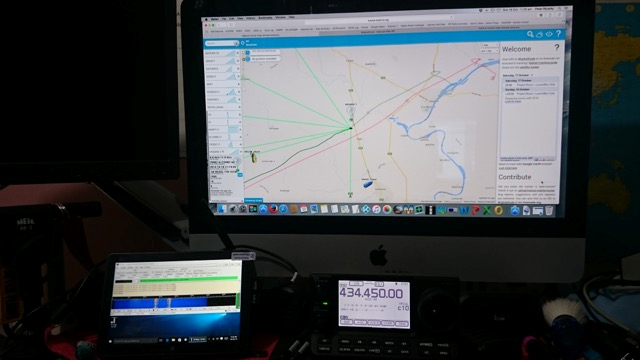
Another major piece of the puzzle was the tracking network. The primary telemetry this flight was based on a 100 Baud 7N2 RTTY signal on 434.450, with a backup trial system using LoRa modulation as an experiment. This telemetry, apart from being received in the tracking chase cars, is also collected by a large number of Amateur Radio ground stations across South Australia. These stations make a major contribution to the project through collecting and feeding the balloon telemetry into the Internet. This is then accessed from our chase vehicles over 3G/4G cellular links and adds to our own data. It is a great way of getting involved, even if you are not out in the field.

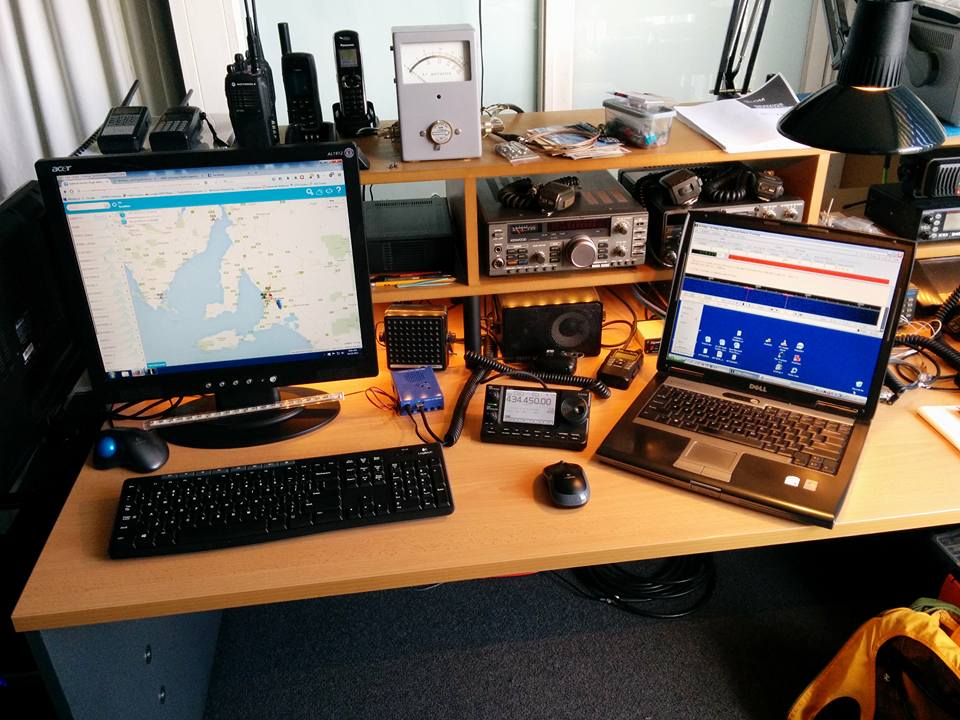
Michael VK5ZEA and Peter VK5KX posted the following pictures of their setups and what they saw at various stages throughout the flight.

Others contributing to the tracking included numerous stations in Adelaide; VK5ALX and VK5NEX in Whyalla, and VK3BQ, VK3SMC and VK3KCX in Melbourne.

Flight Statistics

To control the landing zone, the flight itself was terminated early using the Horus tele-command system. (Had we waited in this case for the balloon to burst, it is quite possible it may have landed much closer to heavily populated areas, something we do our utmost to avoid). The final flight statistics are therefore as follows:

[table “” not found /]

Recovery

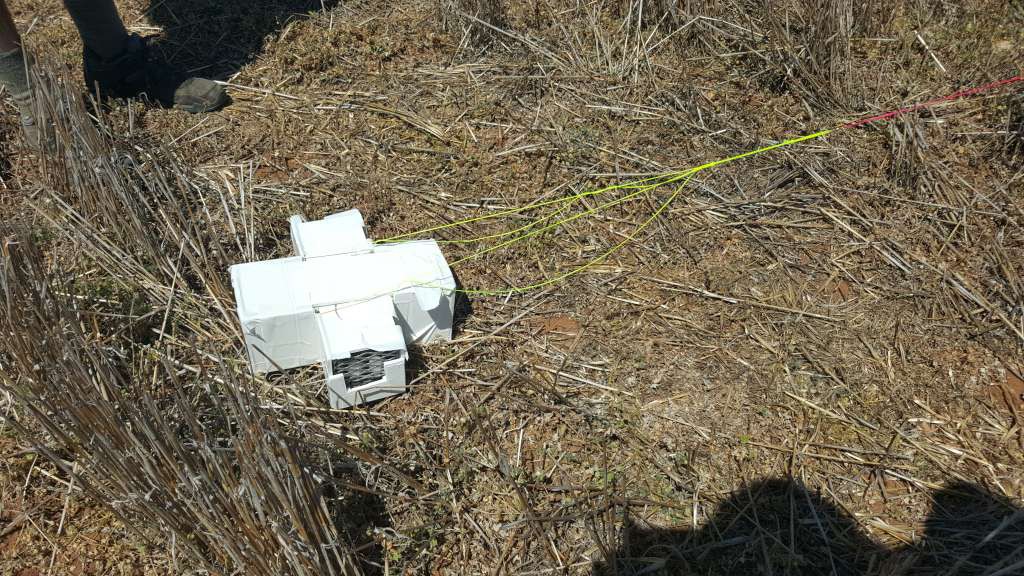
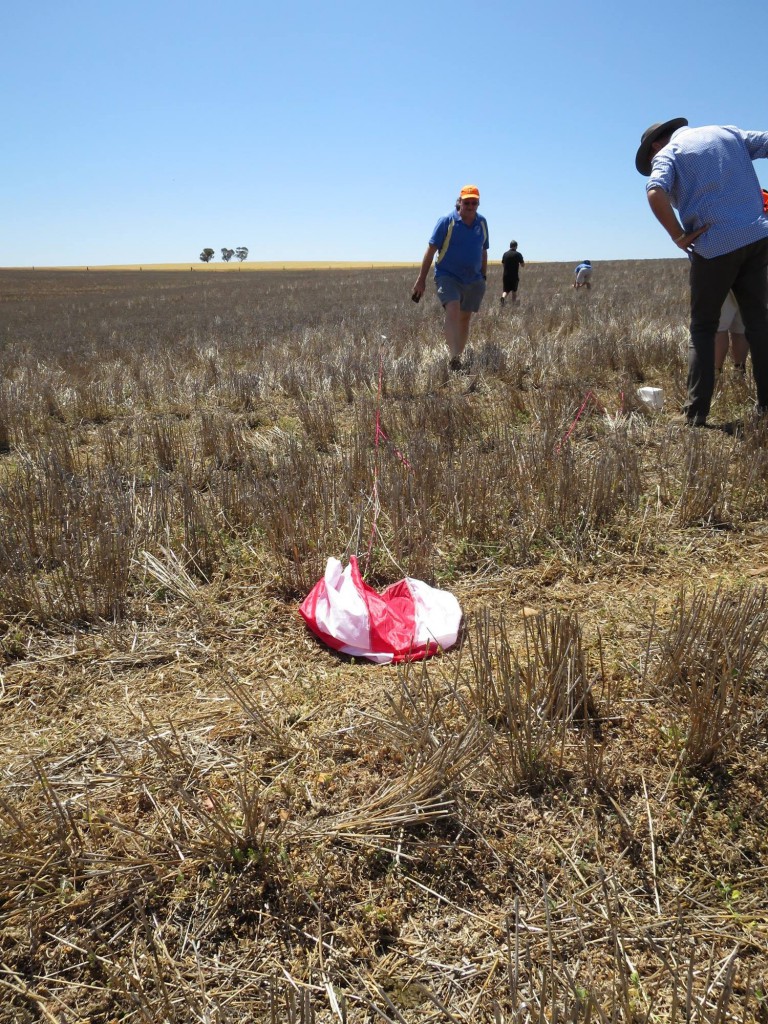
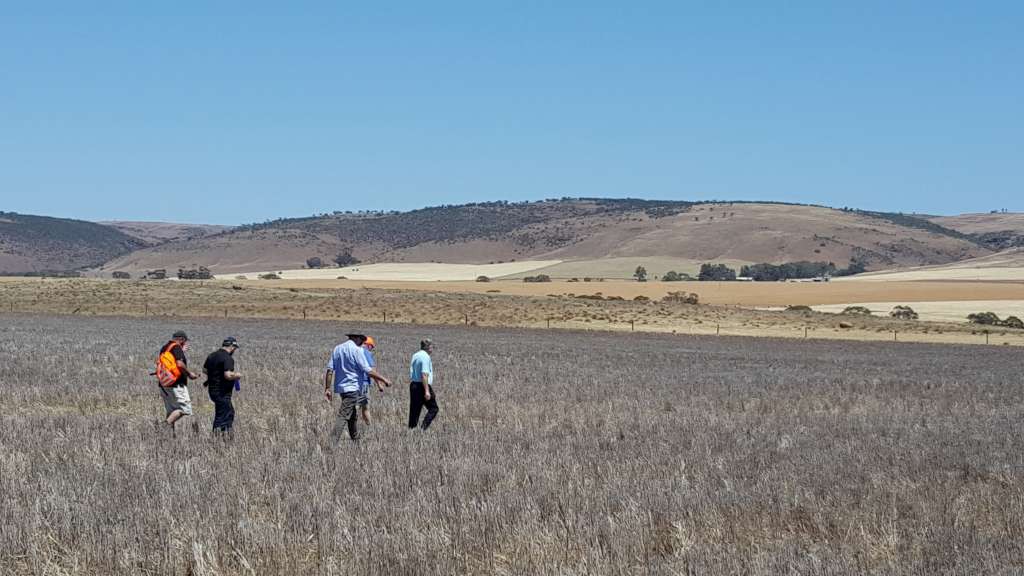
Recovery went smoothly with both chase teams waiting patiently for landing approximately 1km from touch down. After locating the land-owners and obtaining permission to enter their farm, we were able to walk in about 600m and collect the payloads.

The main payload has several experiments including cameras, a weather station, and other interesting ideas contributed from students to answer questions like “what does happen to a marshmallow and popcorn when you place it in a freezing near vacuum?”

IMG_1785-1024

LaunchBox Schools Payload

Conclusion

The day ended with the LaunchBox and AREG Project Horus chase teams meeting at the Palmer Hotel to hand over the payloads. A job well done everyone, and a great example of using Amateur Radio to further science education in this country!

IMG_1784-1024

AREG/Project Horus and LaunchBox Crew at the end of the day’s Chase

Again we must say a big thank you also to the HabHub.org community and the UK High Altitude Society who provide balloon tracking and telemetry collection services for projects such as ours across the world.

Stay tuned in the new year as well as there are many more exciting things potentially happening with Project Horus being considered for 2016!

16th October Meeting: D*STAR for Beginners

wncdstar_logoHave you ever wondered how to navigate the myriad of ways to access a D*STAR repeater and make contacts either locally or via the gateways? The come along to the next meeting of the Amateur Radio Experimenters’ Group on Friday October 16th where Ben, VK5BB,  will take you through how to get the most from your D*STAR radio when using VK5RWN. He will include information on how to access gateways, reflectors etc and will give you clues on how to set up your D*STAR radio to make the best use of the available network that sits behind the AREG D*STAR repeater.

https://commons.wikimedia.org/wiki/User:Zuzu

ICOM IC-91AD D-STAR handheld (CC BY-SA 3.0)

So if you are new to D-STAR or would like to know a bit more about how to use D-STAR, here is an opportunity to find out and meet with some D-STAR users.

The meeting will be held at AREG’s club rooms at the Reedbeds Community Hall, Fitch Road, Fulham. The doors will be open at 1930 hours for a meeting start at 2000 hours local summer time.

As well as the formal presentation there will be ample time to meet with AREG members and talk about any and all things Amateur Radio. Visitors are most welcome, so please come along all and say hello! If you need help finding the hall, call on the 439.900 repeater (91.5Hz CTCSS).

Coffee, tea and cake will be on for a light supper, over which guests and members may ragchew on topics of the evening. Put it in your diary, AREG meeting this Friday the 16th October, 7:30 pm!


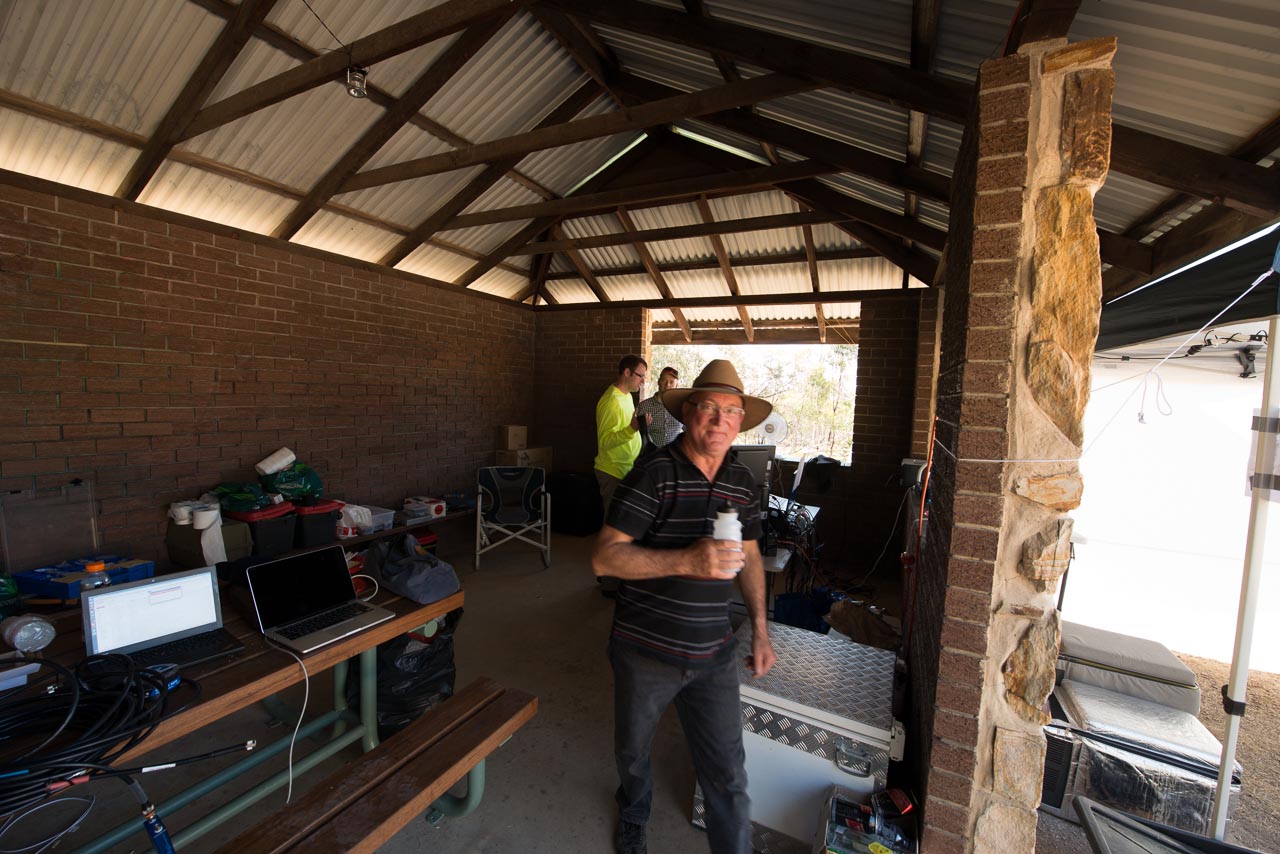
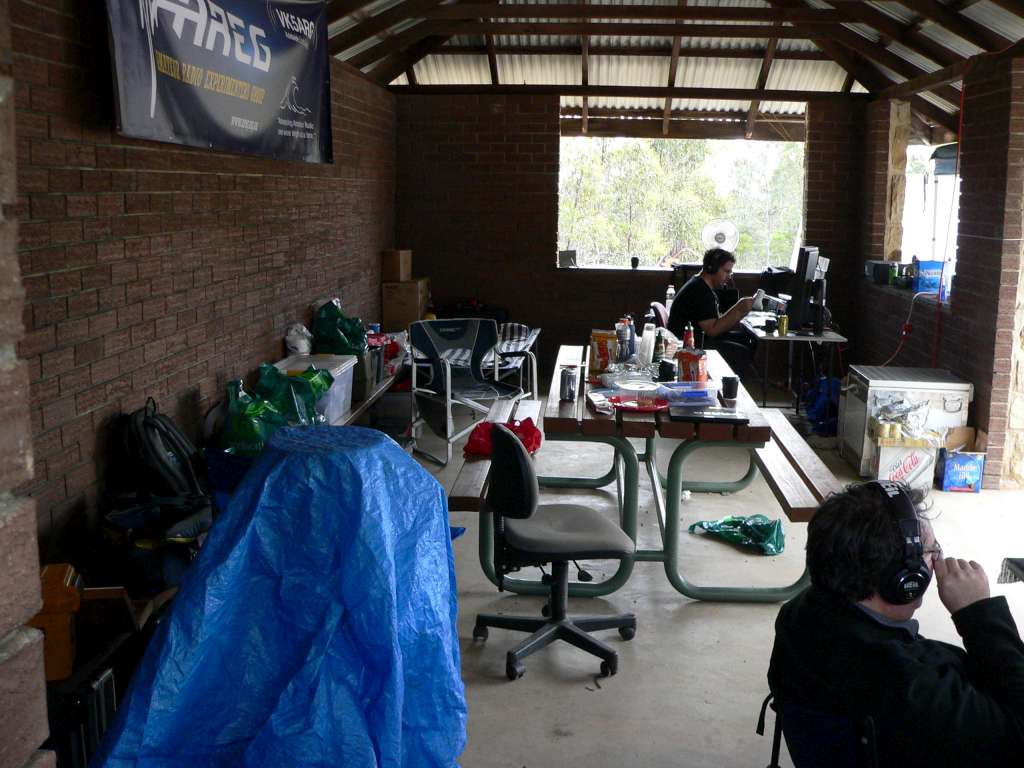
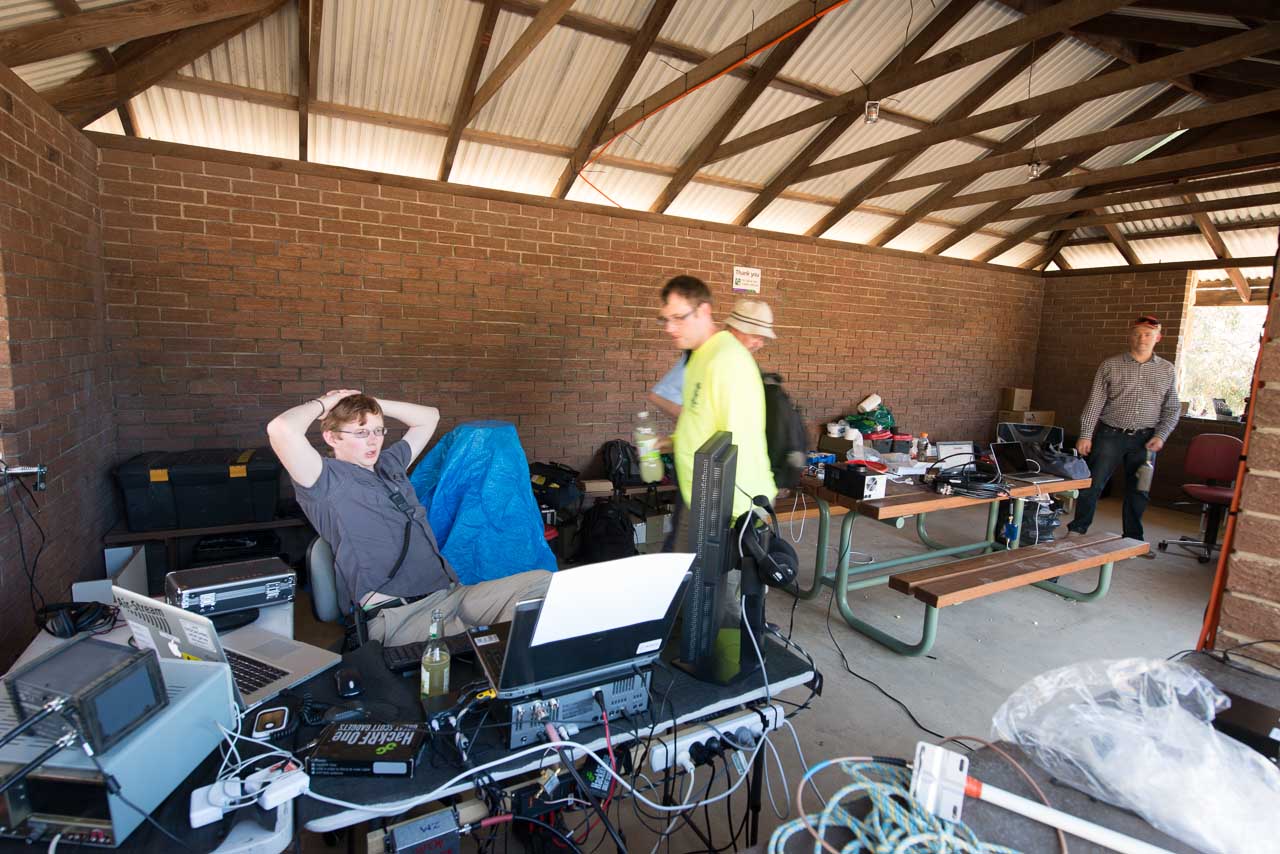
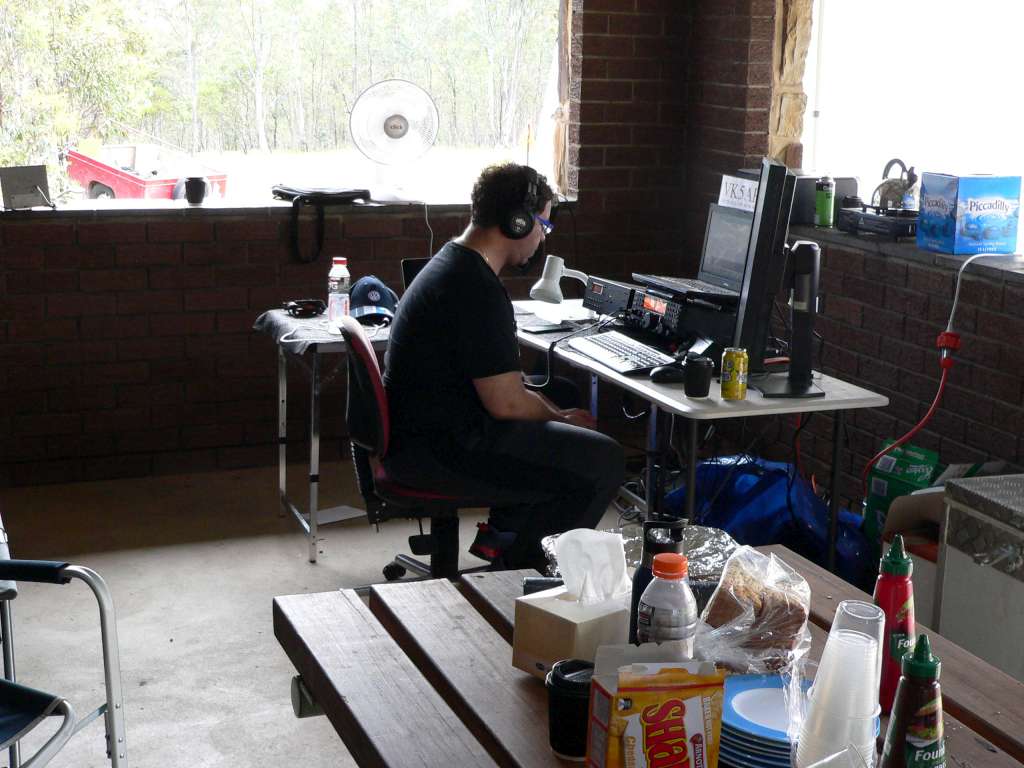
VK5ARG Oceania DX Contest 2015 Results

Well, the AREG has wound up it’s activities sidebannerat Para Wirra
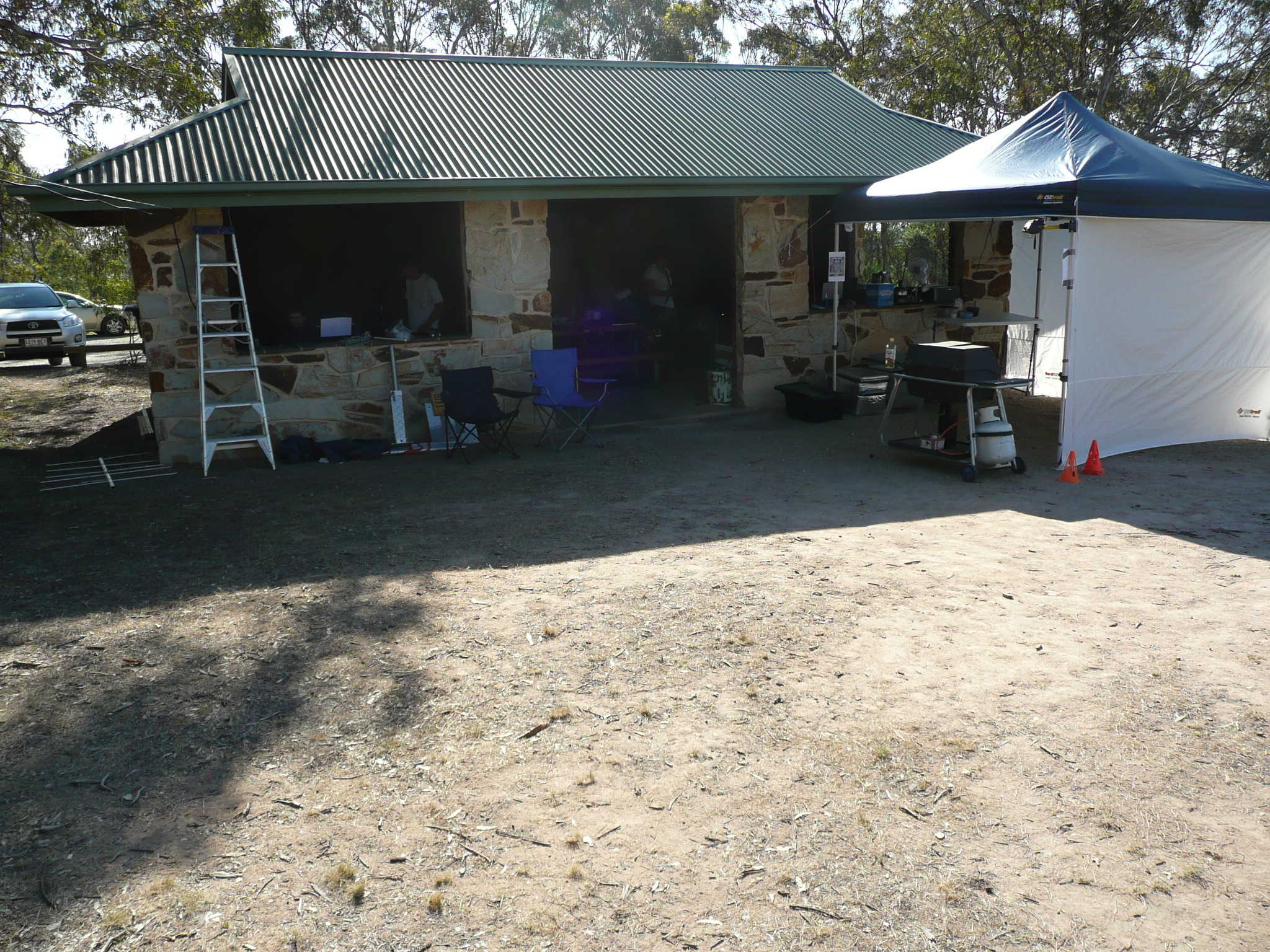
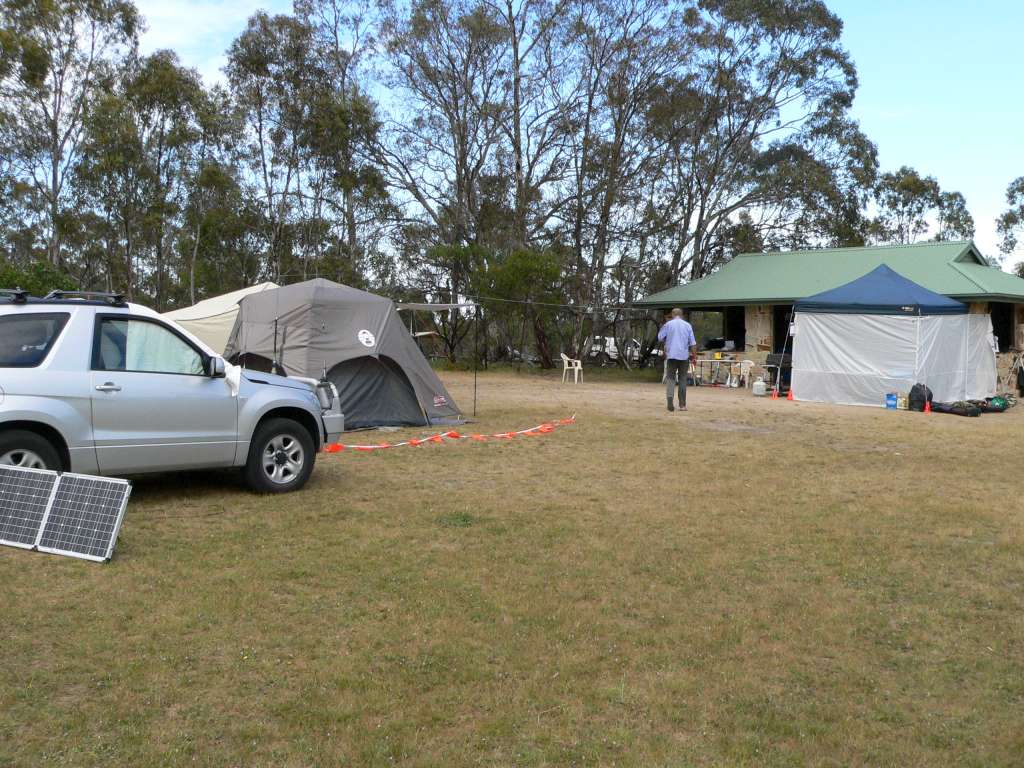
Recreation Park for this year’s contest. A great deal of fun was had by everyone to participated, even by those who operated under physical duress (two members could hardly walk).

A big thanks to everyone who took part and operated or provided support for the event. In particular (and if we’ve missed you out please let us know and we’ll add you to this list) those who took part in operating the station included: VK5AKH, VK5ZM, VK5QI, VK5KX, VK5FSKS (who flew in from VK3), VK5GR, VK5JO, VK5MTM, VK5UP, and we believe that VK5FGRY was spotted sitting at a few consoles however we’re not sure if he transmitted or not this year (*grin*).

With the Para Wirra CP being so close to Adelaide we were also fortunate to have a large number of visitors which included; Kim VK5FJ, Arno VK5ZAR, Paul VK5JG and Dennis VK5FDEN, Cary VK5CD, Peter VK5APR, Louis VK5FLY and Jess, Wendy, Dean VK5FAIR and Sally VK5FSAM,  Brenton VK5BZ, Ben VK5BB, Darin VK5IX and Glenys plus boys, Sharon FSAW and the Moo, Allan VK5MAK, Bob VK5FO and Ray VK5RR.

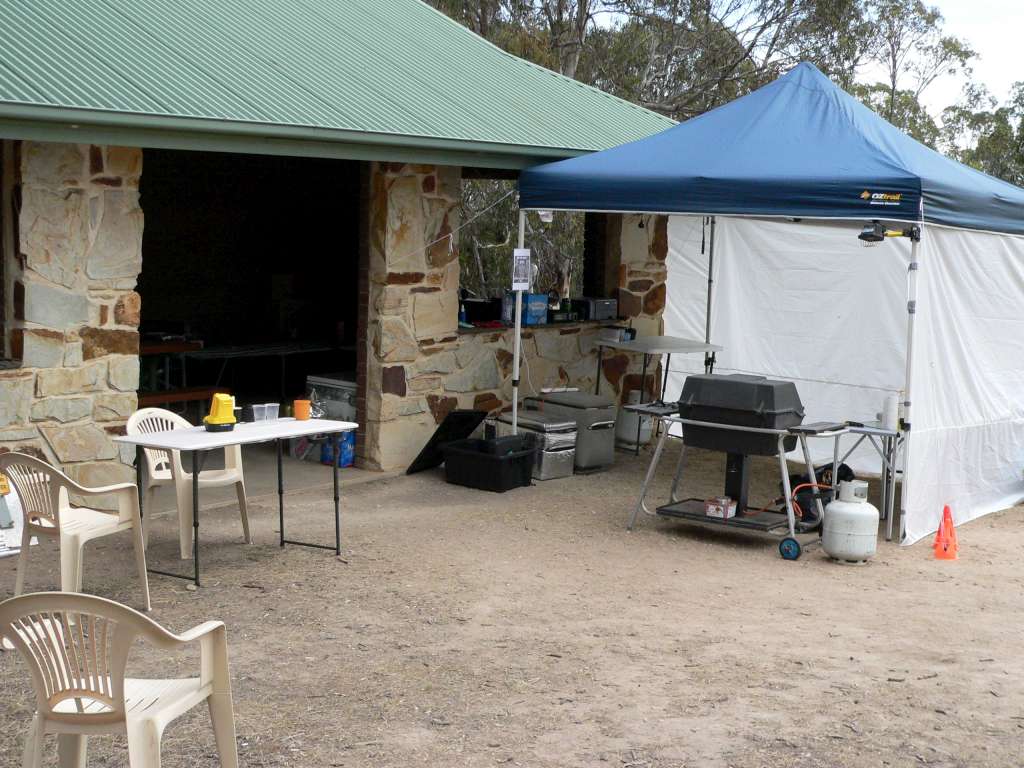
We also must thank Arno VK5ZAR and Gary VK5FGRY who helped keep the troops fed manning the BBQ and keeping the ants at bay as well as Sharon VK5FSAW who provided dinner on Sunday night.   We must also thank all of the visitors that rang ahead and checked if we needed anything, with the weather so warm the bags of ice, drinks and loaves of additional bread were gratefully received.

A big thankyou again to the rangers of Para Wirra Recreation Park (Steve and Mel!) who graciously allowed us to conduct the event inside the park for the 3 days. To find a site so close to Adelaide with such a low HF noise floor is a wondrous thing.

The Results?

Overall our tentative scores were:

[table “” not found /]
[table “” not found /]

Band by Band

80/160m: With changes to the radios this year, it was fantastic to see the contacts and multipliers achieved out of the low band station. Peter VK5KX and the low band crew achieved contacts into ZL on 160m and into the USA on 80m. Well done!

40m: was hard going this year. We lacked enough punch to be heard often in Europe and that cost us many contacts in the early hours of the morning. We did get a few contacts into that part of the world but often it was through multiple repeats and perseverance. The auto keyers got a work over and between Josh VK5JO, Andy VK5AKH, Grant VK5GR, Matt VK5ZM and Mark VK5QI plus other relief operators, we ground out a solid score. The tube amp and dipole did well to the USA – but the fixed orientation wasn’t helping our cause for Europe. More work and ideas planned for this station next year :-)`

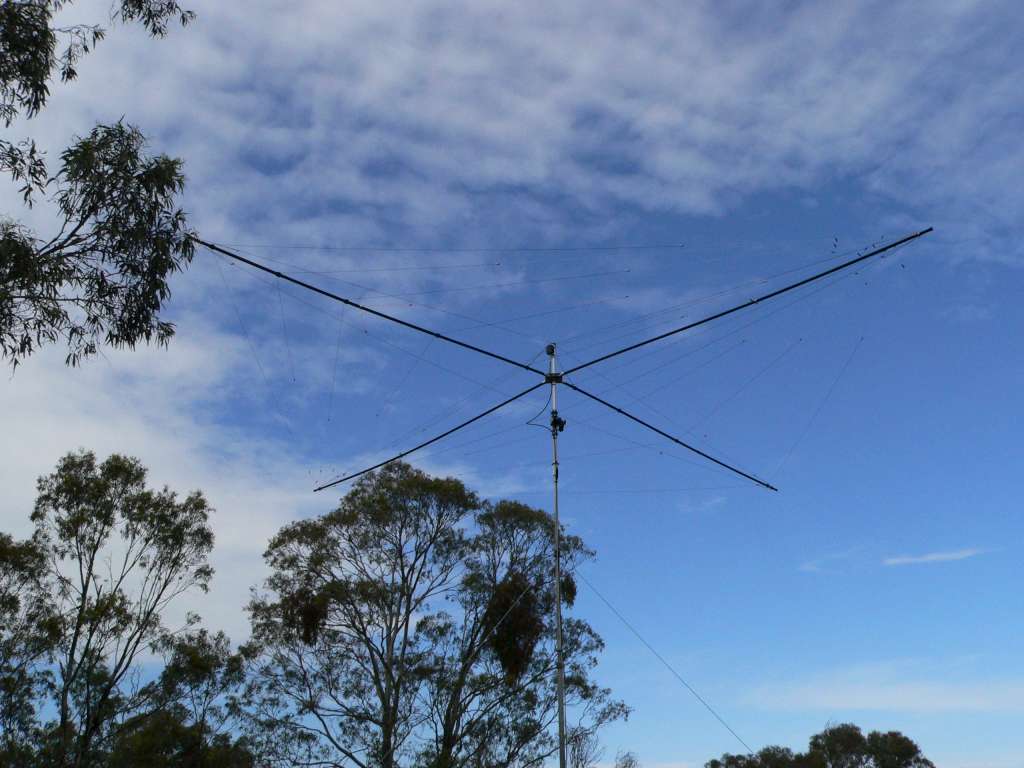
20m: at times flew and at others was a grind. Again, punch to get over the European QRM made prefix chasing hard work although a solid result was still achieved with the Elecraft K-line and the Hex Beam. With 40m and 20m being co-located teams were taking turns at each station making further contributions to both stations.

15/10m: The surprise this year was 15m. We again had a Elecraft K-line and a 3-band Spider beam which we ran for the John Moyle Field Day. With that setup and the ionosphere playing the game the crew manning 15m had a huge amount of success. Long runs of Japanese stations as well as a beautiful opening into Europe Saturday night brought a sparkle to Matt VK5ZM, Theo VK5MTM and high band crew’s eyes.

Conclusion

All in all, a great result, a lot of fun and look out for AREG again next year!    Meanwhile, ideas for improvements to the station are already circulating, and we wait with bated breath to see how we placed.

A big thank you to the OCDX contest organizing committee for staging the event too. It certainly gave our club the excuse to get out and play portable “Amateur Radio” for the long weekend.

73’s de VK5ARG