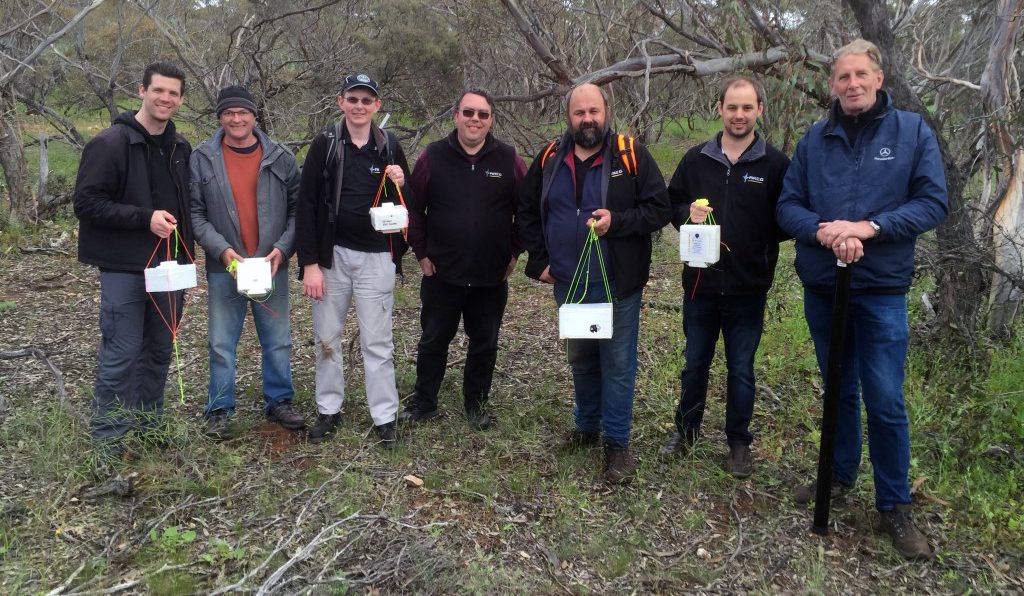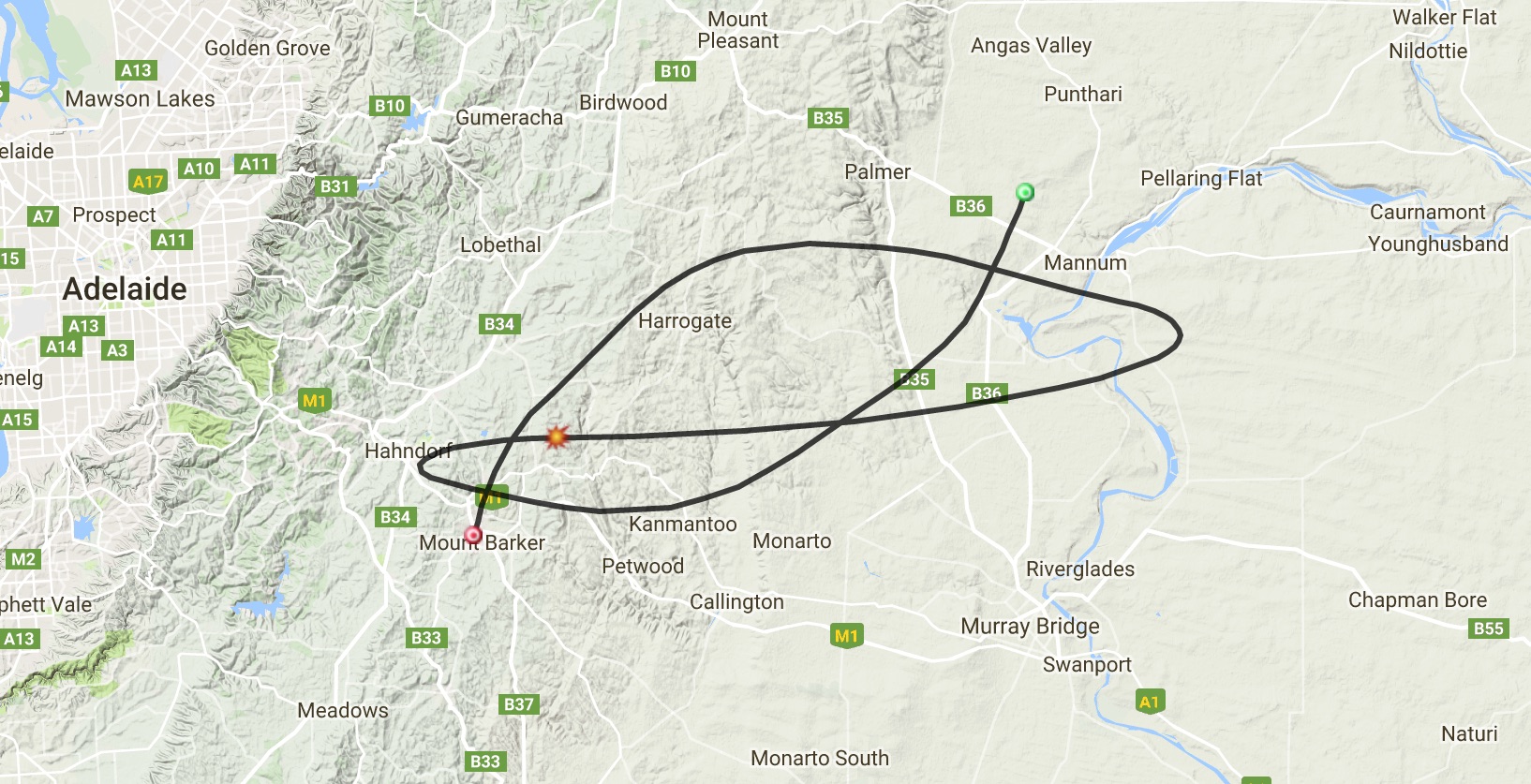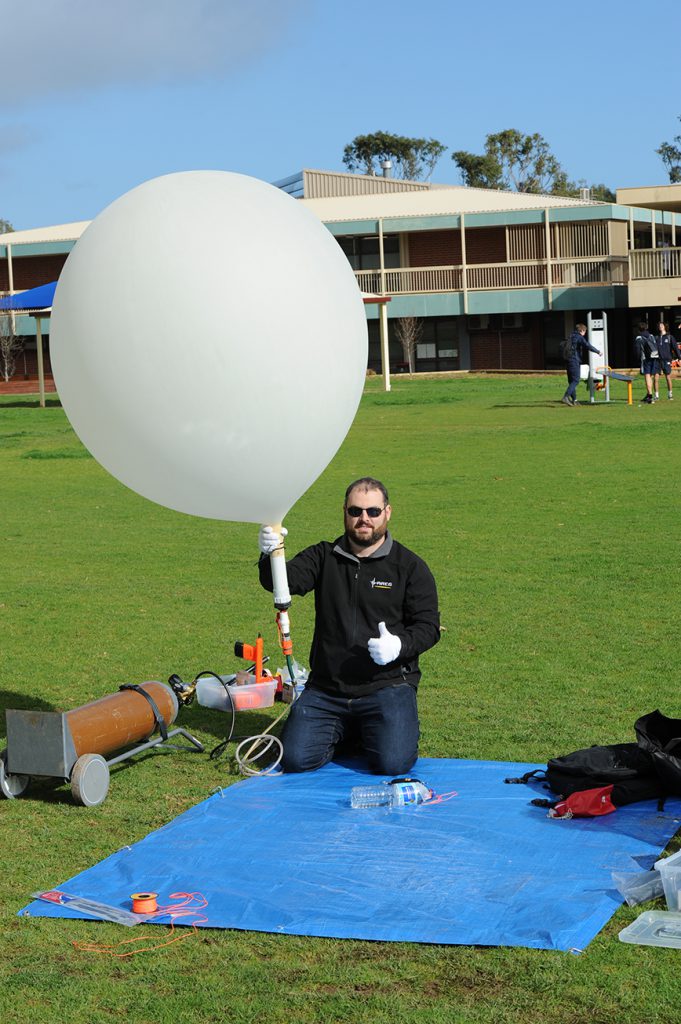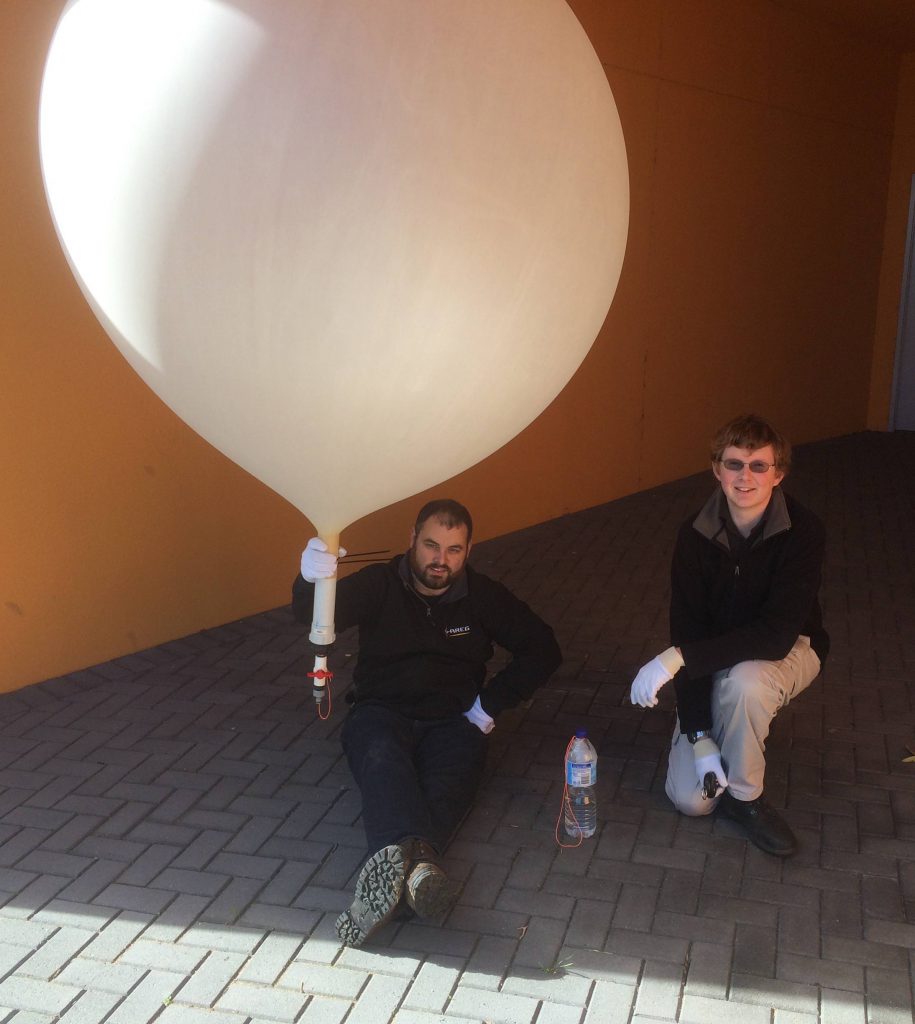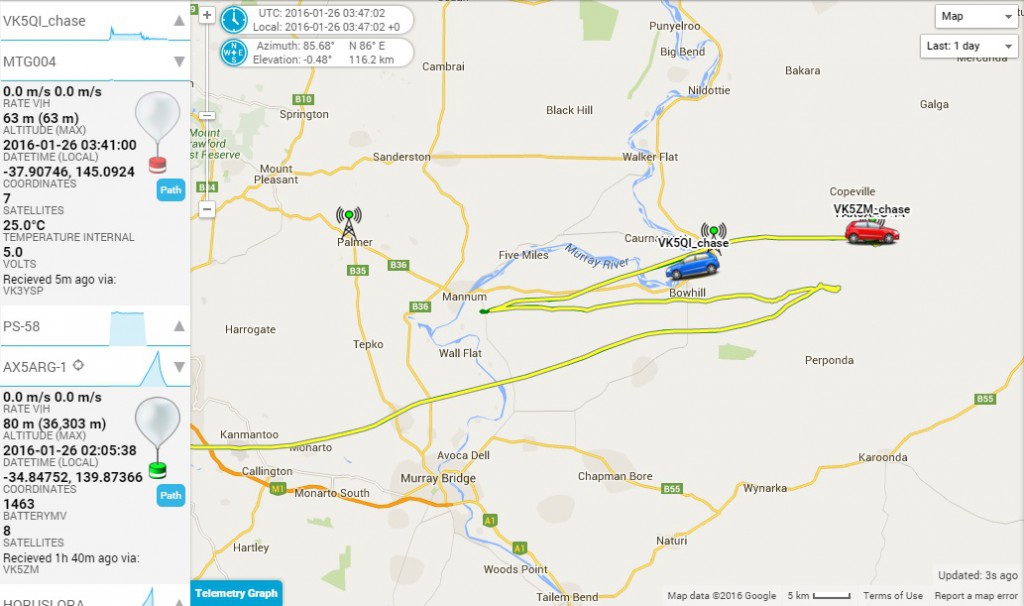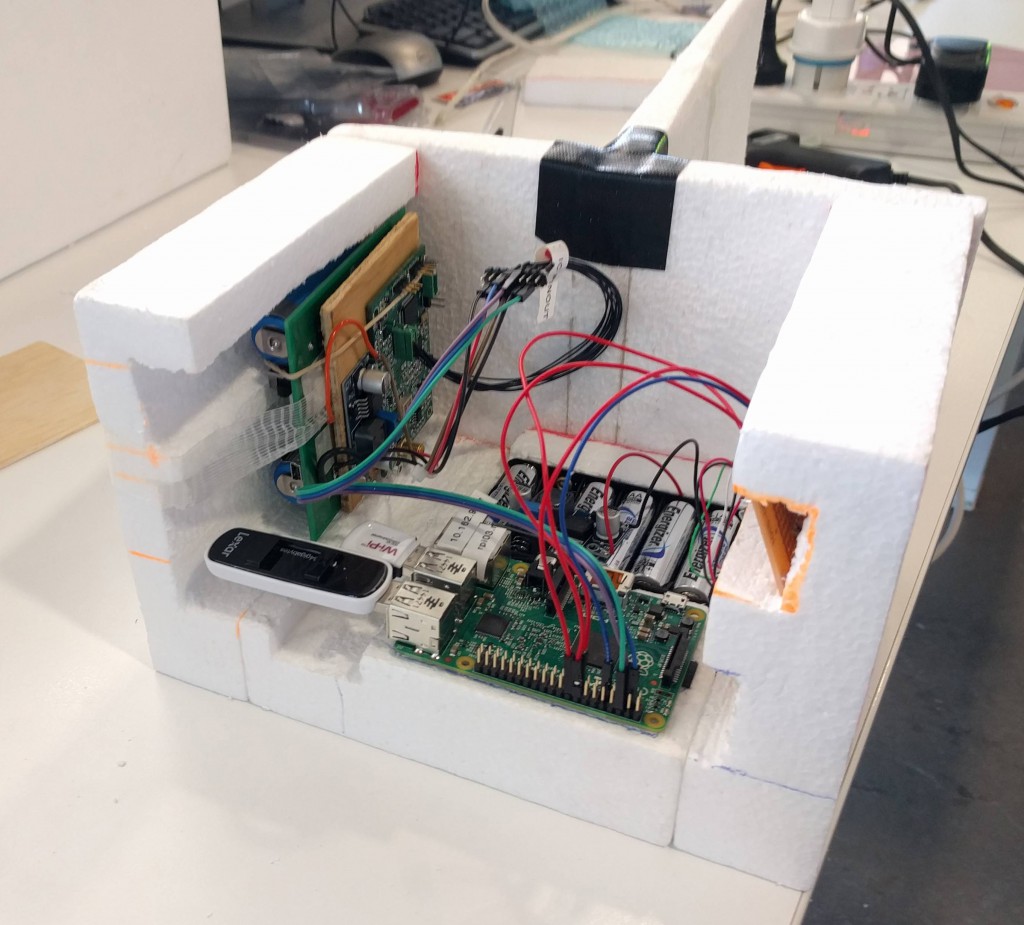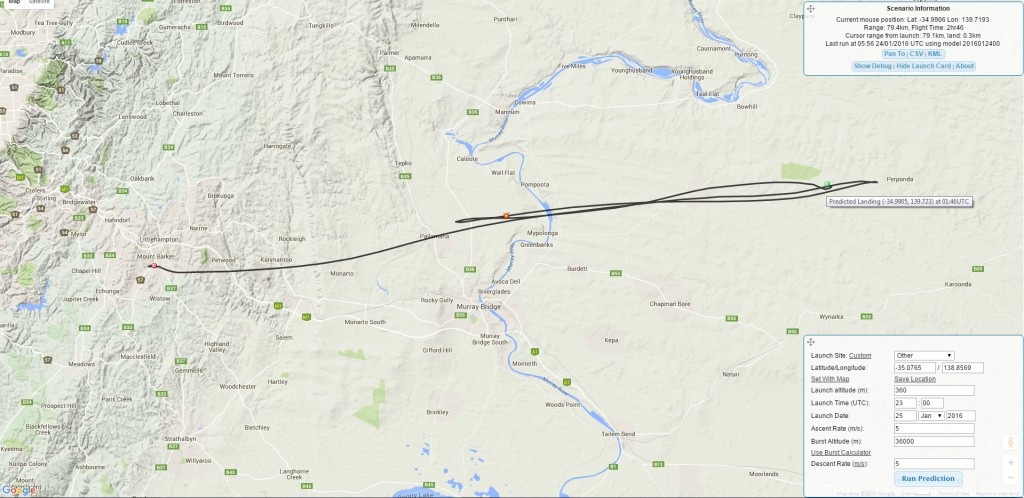
The Amateur Radio Experimenter’s Group has taken an active role in promoting STEM in Schools programs for a number of years now, particularly through our involvement with LaunchBox, who work with us and our Project Horus sub-group to fly high altitude balloons. Our recent foray into the Maker Faire and HackerSpace community through our participation in the Adelaide Maker Faire also has been an area where we see a great potential to improve the link between Amateur Radio and STEM in schools, particularly with secondary and tertiary level students.
AREG Road Trip to Canberra
 It was against this backdrop that the group endorsed it’s President, Matt VK5ZM and Treasurer Grant VK5GR to make the 2400km round trip from Adelaide to Canberra to attend the inaugural WIA STEM symposium.
AREG saw this as an opportunity to firstly share it’s own experiences with others, as well as build networks with other like minded amateurs who either were already engaged in their own contact with the STEM programs in schools or who were wanting to initiate programs of their own. The group also saw this as a way of tapping into the resources of the WIA to help facilitate the communications between affiliated clubs engaged in these activities, and also as an opportunity to contribute to resources that the WIA could develop to support the regional clubs in their STEM endeavors.
The speakers at the Symposium
The event itself, enabled through the hard work of the Canberra Region Amateur Radio Club on behalf of the WIA, provided a fascinating insight into the world of STEM and the challenges STEM faces in schools. (Thanks in particular to Amanda VK1WX, CRARC president).
The WIA Introductions
AREG received presentations firstly from Fred Swainston VK3DAC on the WIA’s vision of STEM, followed by one technological idea from Phil Wait VK2ASD on kits that could potentially be made available to schools based around cheap RTL-SDR Dongles as a way of introducing radio spectrum and communications studies into schools.

Geffory McNamarra wins PM’s Science Prize
STEM from a Science Teacher
Next up was a presentation by Geoffrey McNamara, a science teacher from Melrose High in the ACT who has been doing amazing work encouraging students to take an interest in science based investigations in secondary school. Geoffrey has implemented a program along an apprenticeship model where he has brought in experts from their fields to work with students one on one in a field of research. Many of those who are lucky enough to go through that program have gone on to a career in science.
Two principle points however came out of talking with Geoff that any initiatives need to take into account.
- You need to show students the “Wow Factor” behind any scientific endeavor, to spark their interest and light the fire to drive them to take it further.
- Science Teachers are incredibly time poor and severely under funded.
Radio Astronomy and STEM

The Lewis Center provides the gateway to this program via JPL
Next the participants received a presentation from Dr David Jauncey, talking about programs like GAVRT (Goldstone Apple Valley Radio Telescope) where students in the USA can access a decommissioned radio telescope at the Goldstone Deep Space Network station in California. He also discussed how Tidbinbilla in the ACT is engaged in some schools programs (although not to the extent that Goldstone is). Out of this it was again clear that the principle aim of STEM programs is to garner that spark in students that science is “wow” and has something genuinely interesting and inspiring to offer as a career or at the very least as a life skill and perspective.
Practical Science and Physics Experiments enabled by Amateur Radio
Next up was Dr George Galanis VK3EIP, who is attempting to construct a system that could be used to demonstrate practical physics experiments using radio at schools. His idea is that you take a portable EME station to a school and conduct experiments such as measuring the echo delay from the moon, and even bouncing SSB voice off the moon and letting the students gain a real appreciation of the time delay involved in transmitting radio waves that far into space.
Other uses of the same equipment were also discussed in the field of radio astronomy. The ability to look at the microwave radio noise from the sun and show how to calibrate the dish, as well as other radio astronomy experiments are all practical demonstrations of radio that are relevant to the classroom. Again, the underlying theme to come out of this was to find ways to spark an enthusiasm in students and give them a memorable ‘wow’ experience, to implant science and technology as something worth following up later in life through tertiary studies and beyond, was the core theme of Dr Galanis’s presentation.
Accessing STEM through the Maker and Hacker-Space Movements
The final formal presentation was given by Matt and Grant from AREG. Matt opened with a story about a conversation he had once with a good amateur radio friend, Harro VK5HK (sk). Harro once asked Matt “What is radio?” Matt gave a very engineering focused answer about Maxwell’s equations etc, to which Harro politely pointed out “Yes, but no…. What is it really?” he asked again rhetorically? “Magic” was his answer.
It is the magic of radio, and getting people to the realization that it really is a form of magic that was the “wow” moment amateur radio can bring – when presented in the right way. It is the magic of being able to talk into a box on one side of the globe, and have someone on the other side talk back. When you think that there is no other infrastructure in between, and yet this is still possible, then you again have that hook or spark that leads to a “Wow” moment in young people that you hope will stick with them throughout their years. Undertaking that sort of communications in inventive and awe-inspiring ways, such as talking to ISS, or via live TV where the internet is not involved is a definite opportunity to “light the fire of imagination” in young people today.
It was this theme of “Radio is Magic” that Matt and 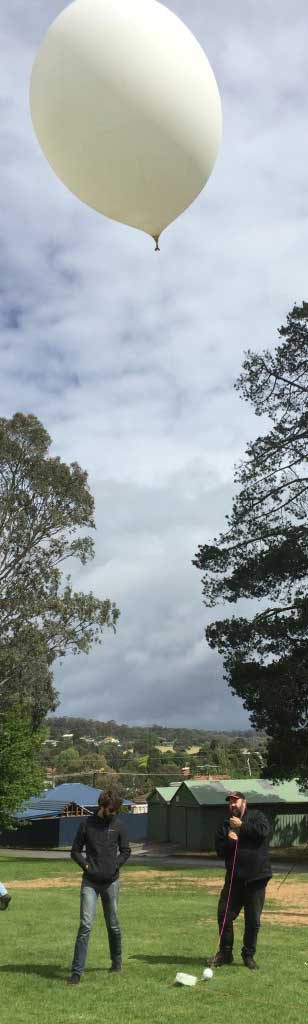 Grant spoke to, explaining how they had brought amateur radio to young people through things like Amateur Television at JOTA, or through High Altitude Ballooning via Project Horus that members of AREG have been involved with now for nearly 6 years. The very recent foray into the Maker Faire and the group’s contacts with people in the Hackerspace movement were also discussed. It was shown how lighting that spark even as people are in their tertiary studies was a way to leave a lasting impression and would and does lead to people taking up Amateur Radio in their twenties – a key demographic that AREG sees as fertile ground to recruit into amateur radio and to also promote the ongoing relevance of amateur radio today.
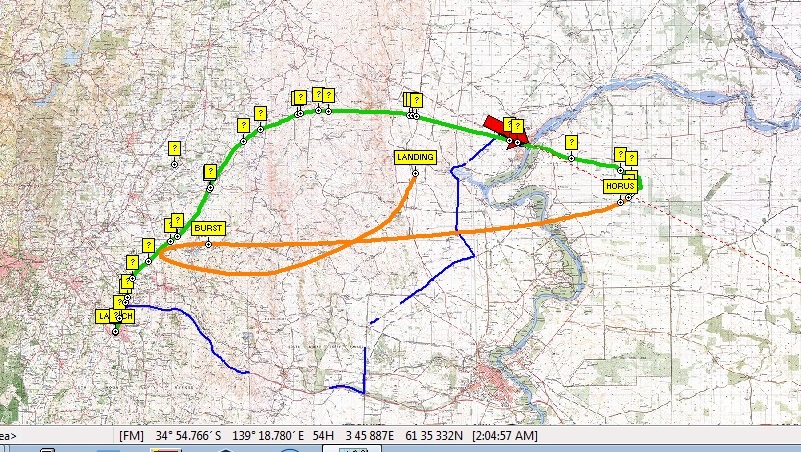
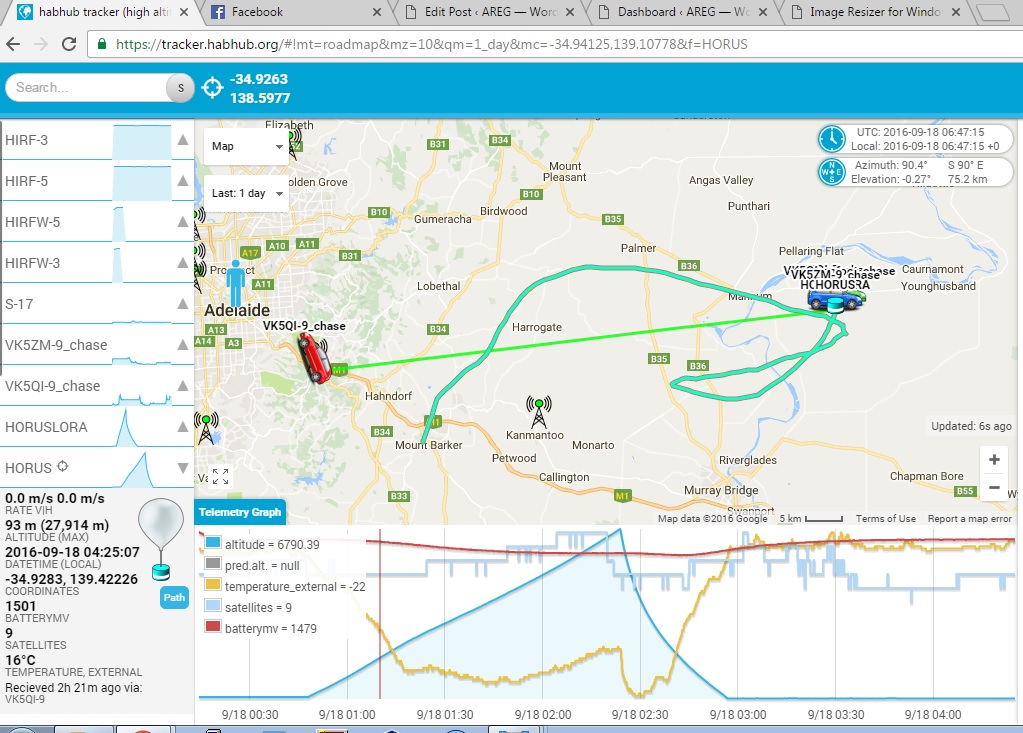
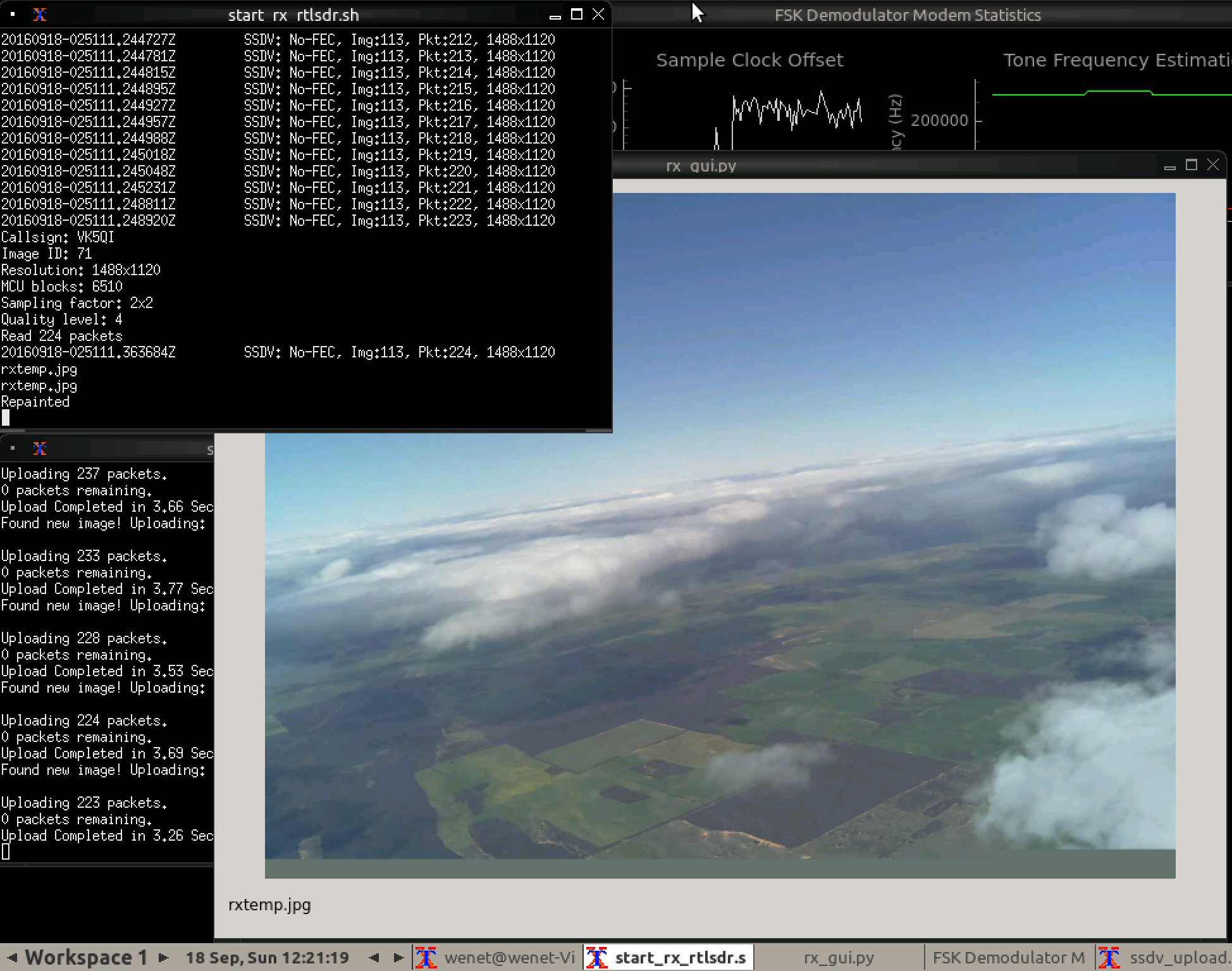
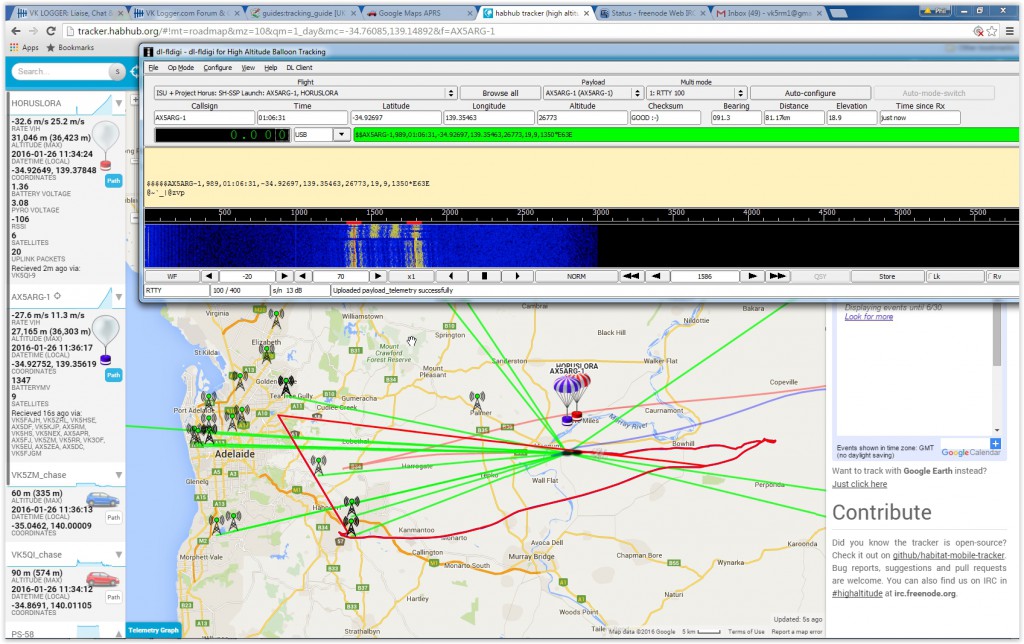
The high altitude ballooning in particular was discussed in some detail as a way of engaging with schools programs. The AREG representatives explained how that had worked through LaunchBox as a great way to inspire even primary school children to develop a wonder of science. The example of how the Project Horus balloons have been used to fly simple experiments to answer a child’s question of “will my corn kernel turn into popcorn in the near vacuum of near space?” hits home to how activities like this can spark someone on a journey of scientific curiosity that will potentially stay with them for the rest of their lives. (By the way, sadly the answer was no – the corn stays as a corn kernel).
One particular STEM area that was then discussed was that there are multiple facets to how you engage with STEM in schools. The obvious way is to undertake direct interactions with students, and you can also take the second tier approach and market amateur radio as a tool to the science teachers themselves. There are conferences and science fairs around the nation completely untapped by amateur radio where with the right presentation, the magic of radio could reach the classroom by recruiting the teachers who are already there. As a result, there was discussions around 1) trying to identify existing teachers who hold a license and 2) looking further at avenues and support requirements to recruit new teachers into the hobby, so as to enhance that conduit into the classroom as well.
Where to from here?
After the presentations the symposium broke for lunch, during which many useful discussions were had. After the break, we went back into the hall and broke into three working parties. The aim was to develop initial ideas around the following three questions:
- The Way Forward to further develop the concept
- Promotion and Marketing that can be developed by the WIA
- Other Technologies not identified at the Symposium
Lots of good ideas were put forward and are now being collated by the WIA for distribution. The WIA indicated that all of the presentations that were made, the papers that were received and the data generated from the three working parties will be made available in due course via the WIA website.
Conclusion
Overall, Matt and Grant came away feeling that the WIA had made some good first steps into addressing how to get amateur radio engaged with STEM in schools. It also was clear that this is not an initiative that can be driven solely by the WIA. It will take the formation of teams of people in each state and territory who can then begin the work of building local responses in alignment with a national Amateur Radio in STEM framework. The WIA can play a facilitation role here that will be positive for both Amateur Radio and STEM education in Australia.
The next step AREG see’s is that the WIA needs to establish an Amateur Radio in STEM advisory committee, made up initially from the general WIA members who attended the symposium plus others who couldn’t make it but still wish to contribute. This committee needs to take the work already started and complete building the national frame work for Amateur Radio in STEM. It can then turn that into a set of individual regional initiatives driven through the radio clubs network so that collectively the Amateur Radio Service can set forward on the task of tackling this multi-faceted arena.
AREG would like to thank the WIA for taking the time to run the symposium and in particular would like to thank all those who made the effort to attend and participate, as well as thank those who contributed papers and inputs. It is hoped that this is only the beginning of a new focus on how to demonstrate to a new generation the ongoing relevance and importance not only of Amateur Radio to the country, but also STEM education in general in Australia. Getting everyone together in one place was a fantastic start to this as it has established new networks and shared many different perspectives on how to tackle the issue. There very much is an exciting future ahead for Amateur Radio and STEM studies nationally.