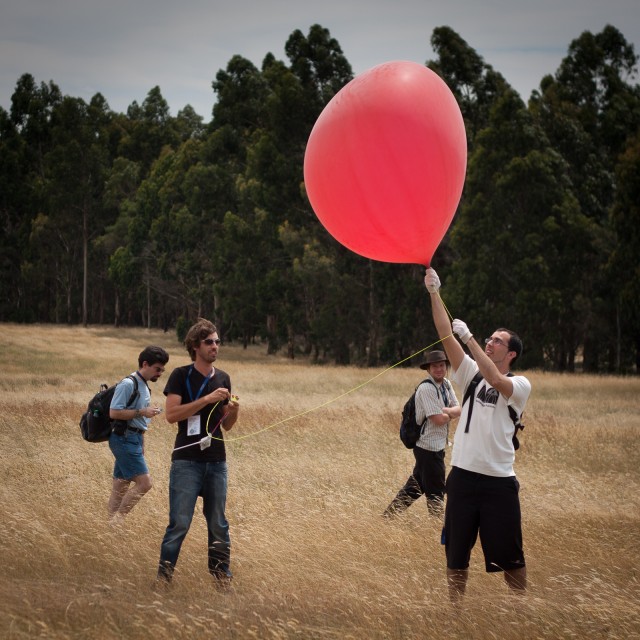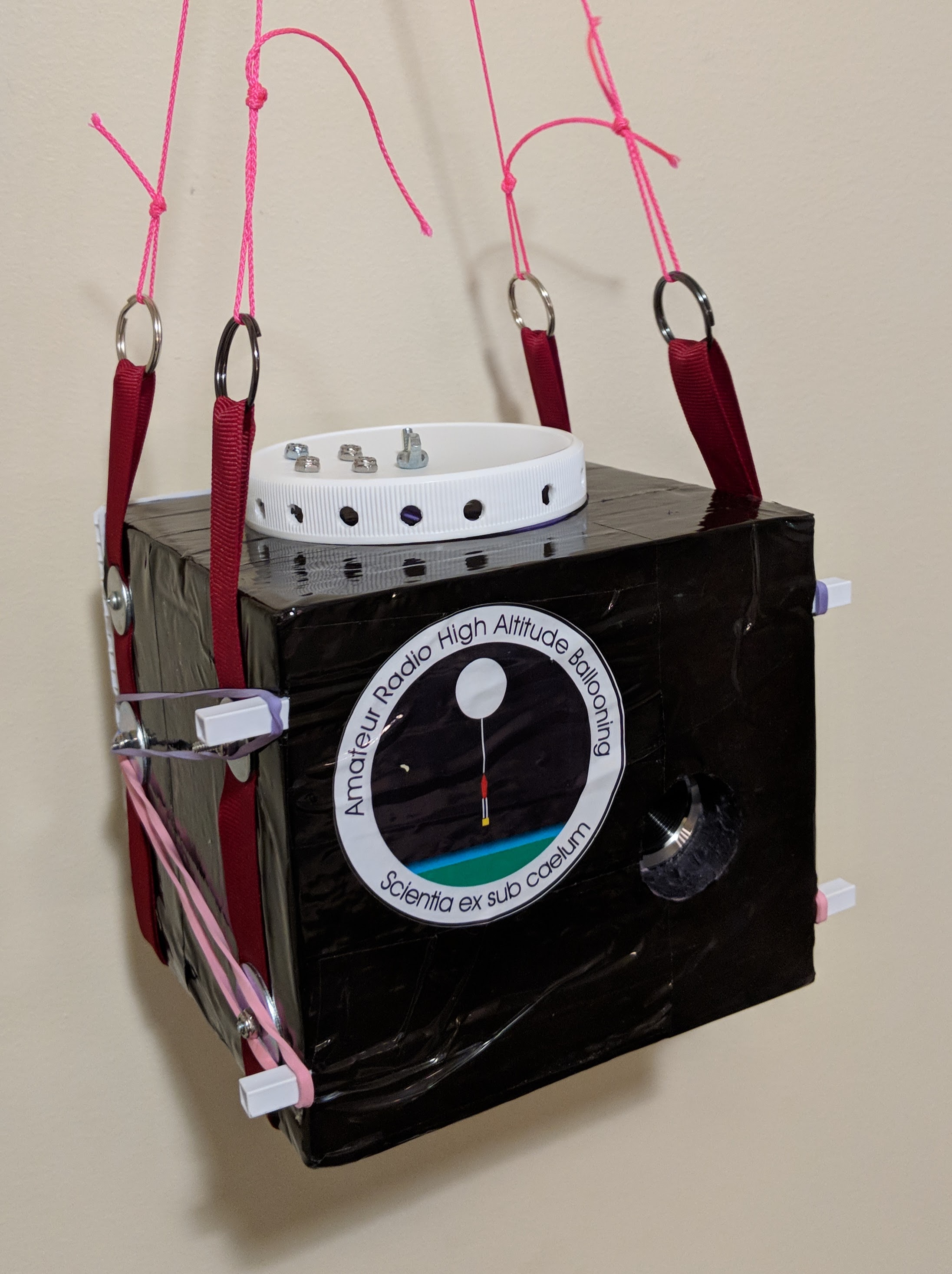


2018 marks 20 years since the Amateur Radio Experimenters Group was formed. To celebrate this milestone, the club is planning to fly a special Amateur Radio focused high altitude balloon in what will be the 50th Project Horus Mission.
The Project Horus team itself is also celebrating 8 years in the air! Project Horus was founded by Terry Baume and continues to perform regular high-altitude balloon launches from locations around South Australia under the auspices of the Amateur Radio Experimenters Group.
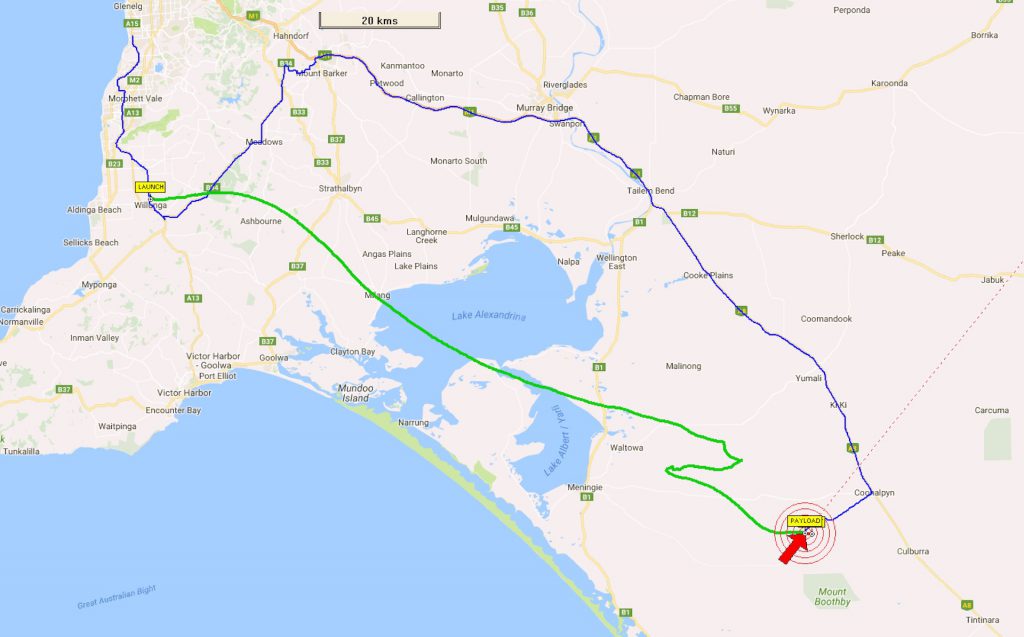
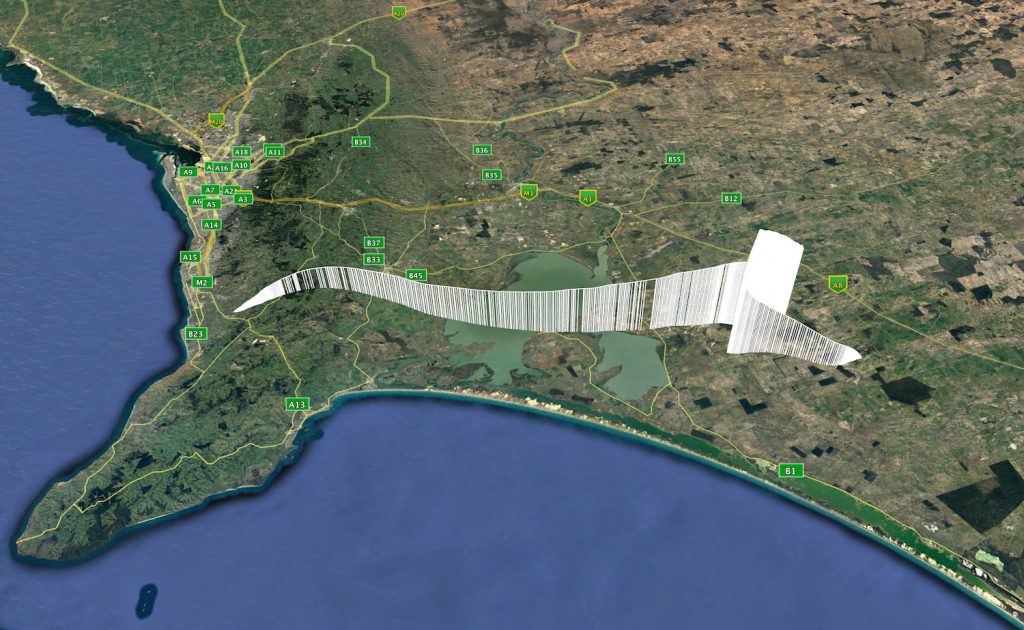
When will this be happening? Currently it is planned to fly on Sunday the 4th of November (weather permitting). Liftoff is planned for 10AM ACDT. We are going for altitude so coverage will hopefully extend as far as Melbourne at the peak of the flight.
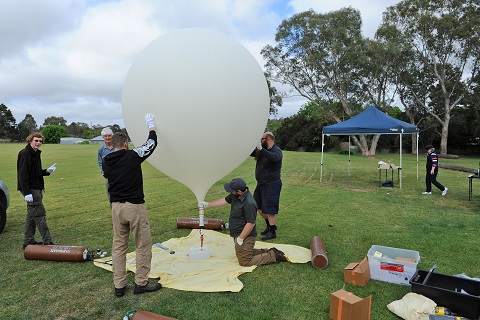 The goal is to engage with amateur radio in as many ways as possible. We want you to talk through the balloon, see the world from the balloon’s perspective and know where the balloon is during the flight! How can you do all this you might ask? The Project Horus team have specifically tailored this flight to include:
- a 2m (down) / 70cm (up) Cross-band FM repeater. Amateurs within the repeater footprint will be able to make live QSOs with the club station VK5ARG and each other via the FM repeater using relatively modest stations.
- a 2m SSTV beacon transmitting images from the balloon live during the flight. You will be able to see the world from the balloon’s perspective using a 2m receiver and simple software (you can even use an app on your phone).
- Track the balloon via a 2m APRS beacon during the flight!
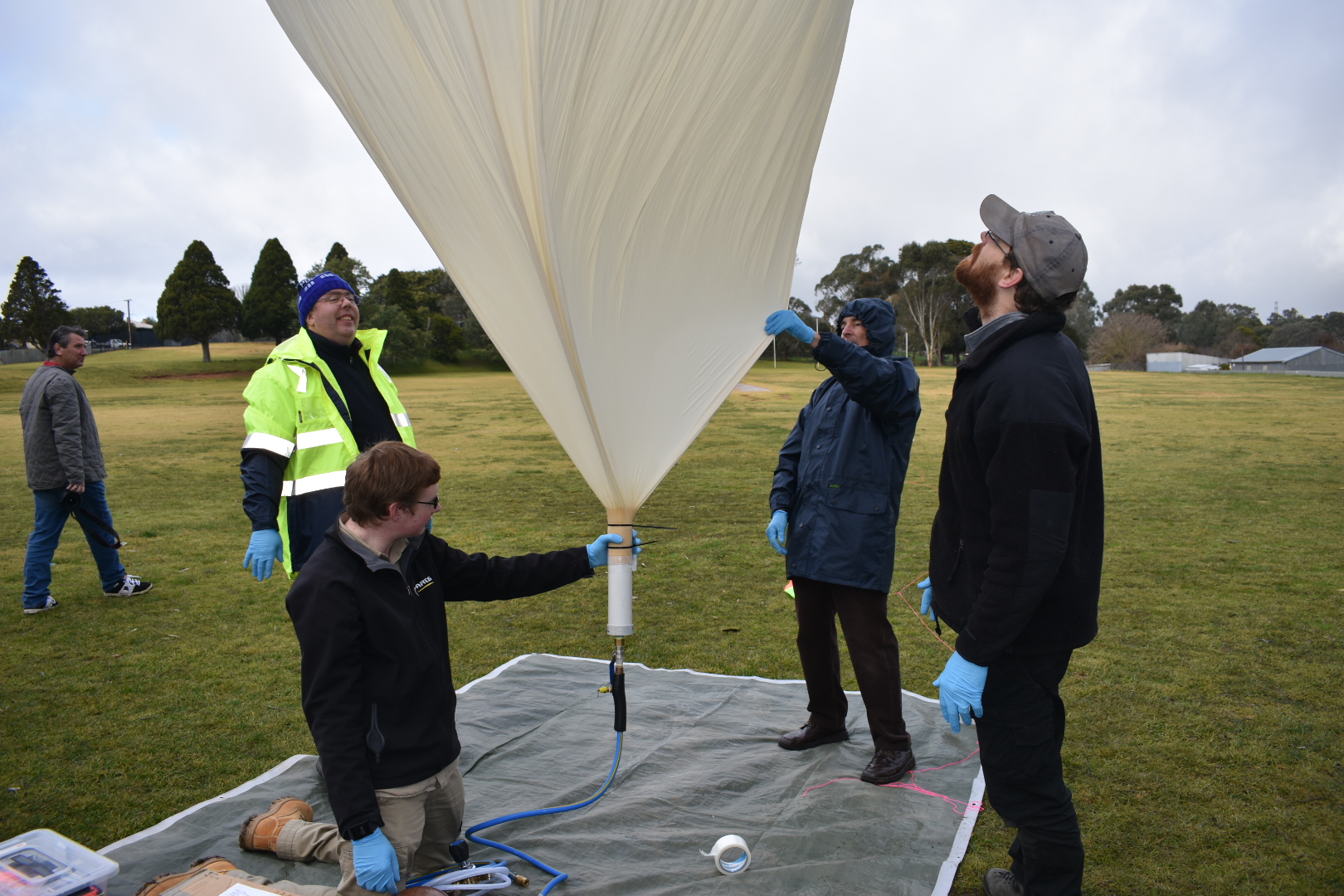
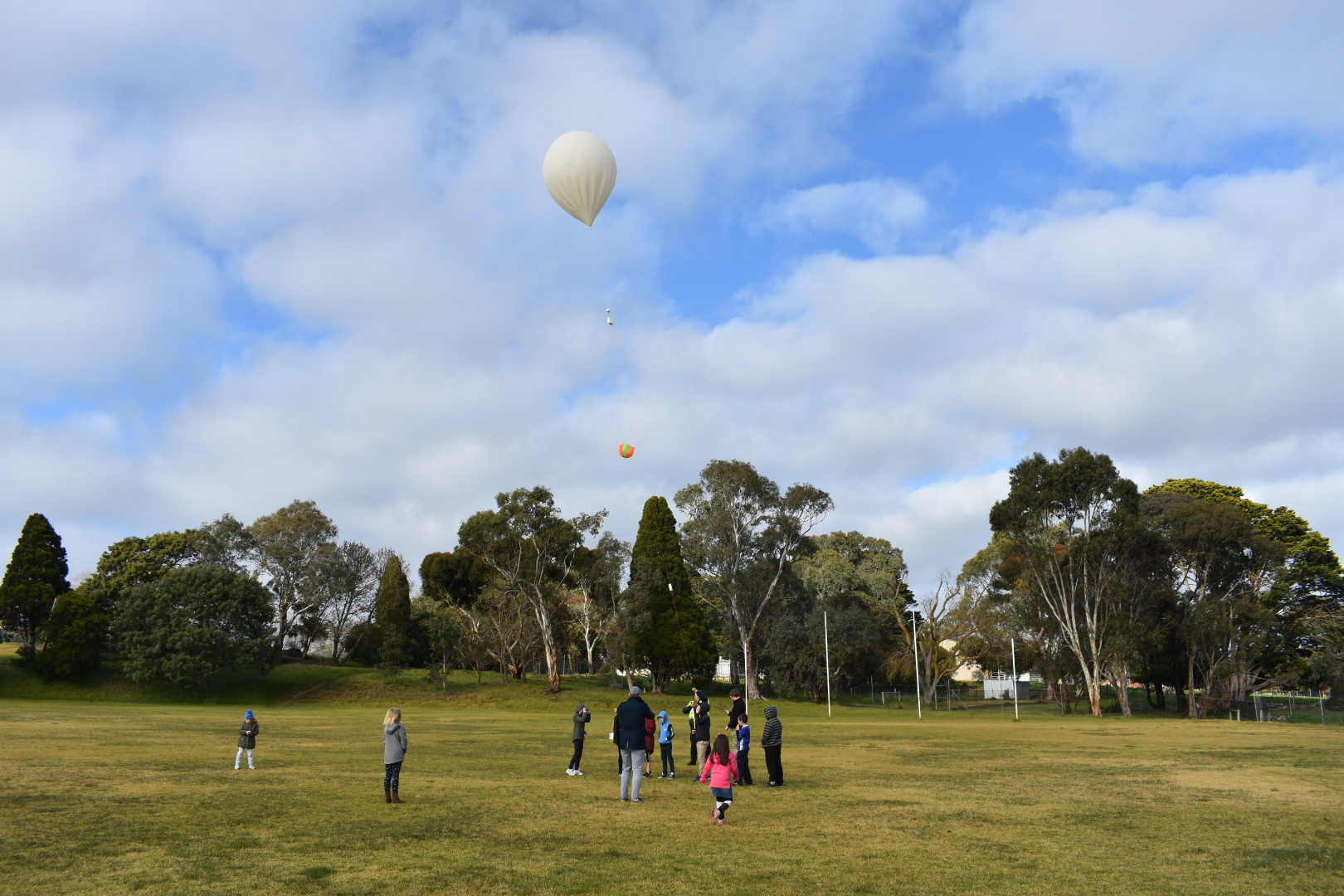
The launch site will be the usual Mt Barker High School Oval. Launch crews should be on-site around 8:30-9AM. If you haven’t attended one of our launches before, this is a great opportunity to come along and see what’s involved first-hand!
As usual, there’s always the chance the weather for the planned launch date may not be suitable, so a backup launch date of Sunday the 18th of November has been tentatively penciled in (the 11th being the AHARS buy & sell weekend).
Cross-band FM Repeater
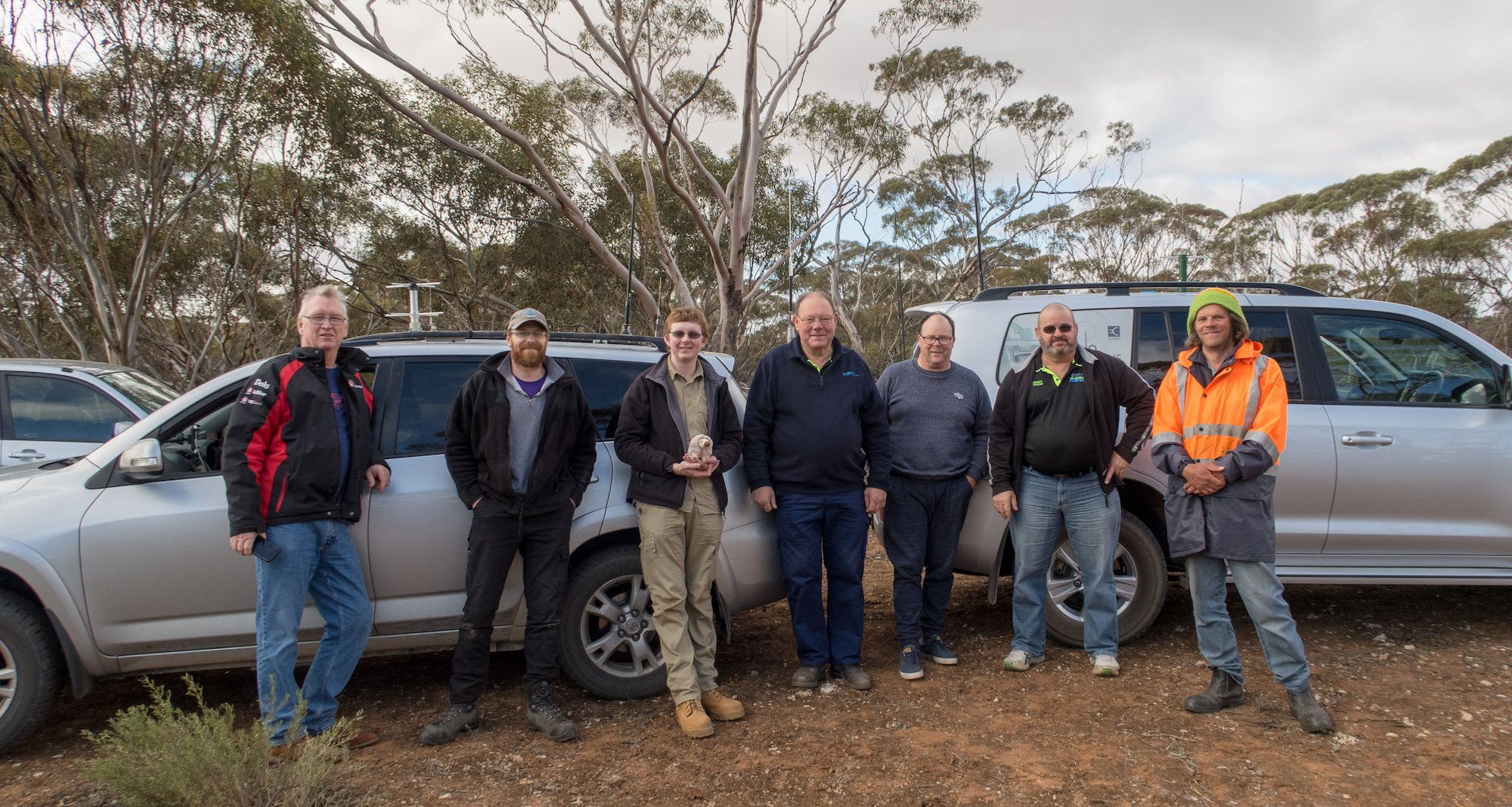
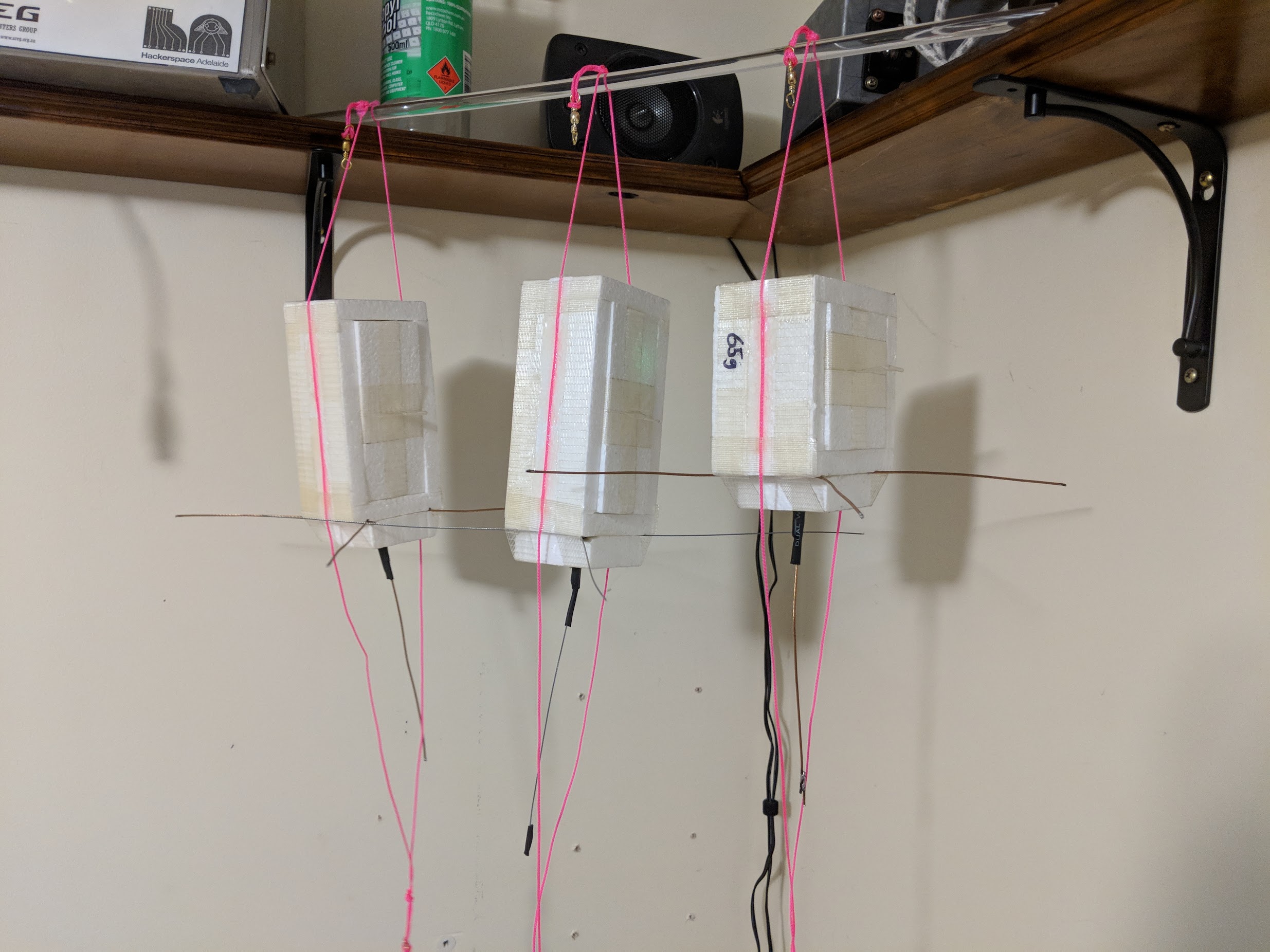
Likely suspects operating the cross-band repeater on Horus 23
The cross-band repeater will be using the following frequencies:
- Uplink: 438.900 MHz, with a 123 Hz CTCSS tone required for activation.
- Downlink: 147.500 MHz (~1.4W output power).
To transmit to the balloon at the maximum range of 700km (once the balloon reaches >30km) you will need approximately 10-30W and an 10dBi gain antenna and a clear takeoff towards the balloon. Those stations closer to the launch site will be able to get away with much less.
PLEASE MAKE SURE YOU can hear the repeater before transmitting
and remember to make sure you SET YOUR CTCSS TO 123Hz
or you will not access the repeater.
As with previous flights, the repeater will be run as a controlled net. Listen for VK5ARG acting as net control and please follow their instructions so that as many people as possible can share the repeater.
FM-SSTV Imagery Payload
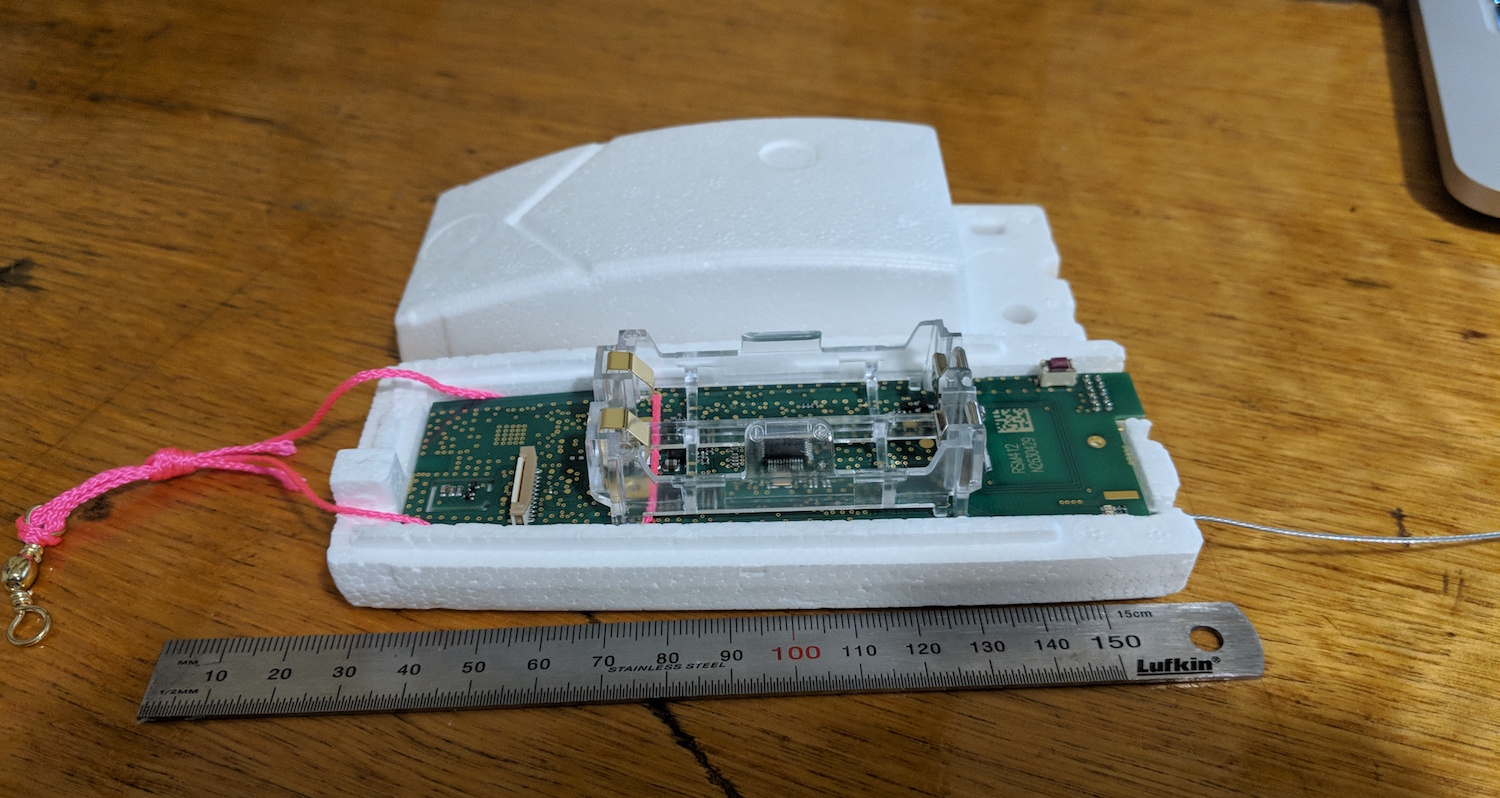
Instead of the usual Wenet imagery payload this launch will have a new SSTV transmitter operating on 145.100 MHz FM. It will run approximately 250mW transmit power. The transmitter will have 30 second gaps between image transmissions to avoid overheating the transmitter.

Scottie 2 SSTV Imagery Example
The payload will be transmitting images using the Scottie 2 SSTV mode throughout the flight, and can be decoded using any SSTV software capable of decoding this mode (pretty much all of them!). This is a mode that typically is used on HF but is equally adapted to VHF FM work. (Note it is not the same as the PD120 transmissions from ISS).
Examples of suitable software you can use to decode the SSTV pictures include:
Any FM receiver (including handhelds) should be capable of receiving this payload, though as with the cross-band repeater, a Yagi antenna may be necessary for reliable reception at the edges of the transmitter footprint.
If you do receive images, please post them to Social Media and on Twitter include the #horus50 hashtag so everyone can see them!
Telemetry Payloads
As always, we’ll be flying the usual assortment of telemetry payloads, including:
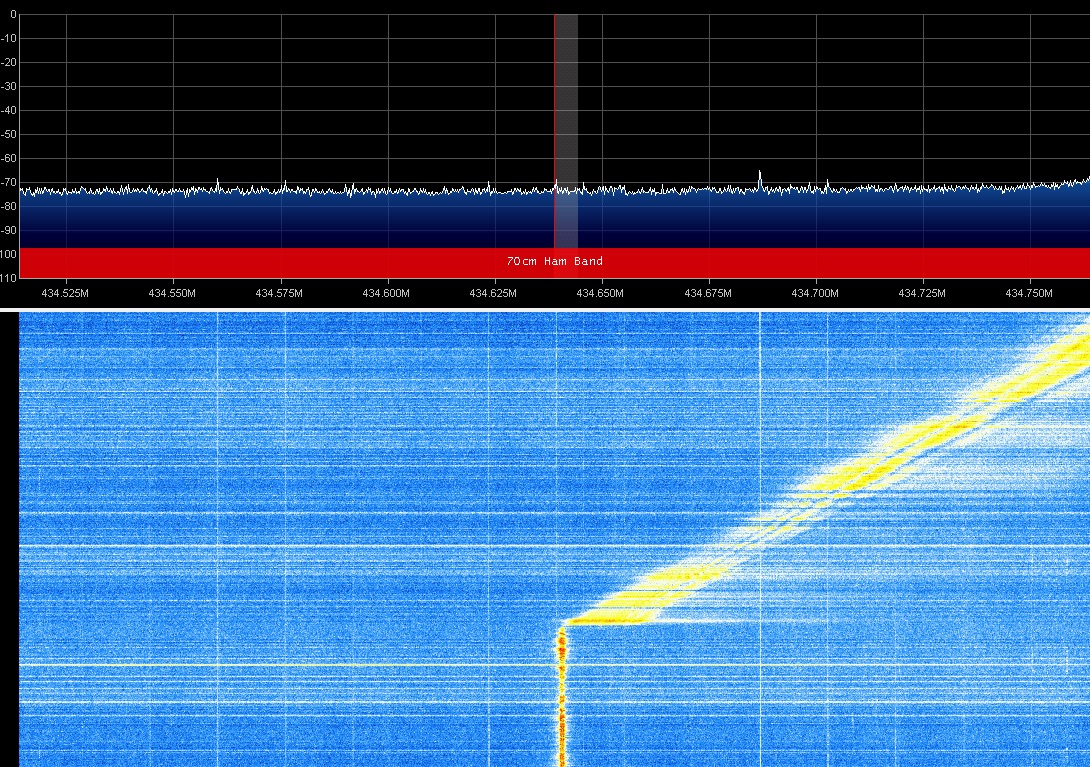
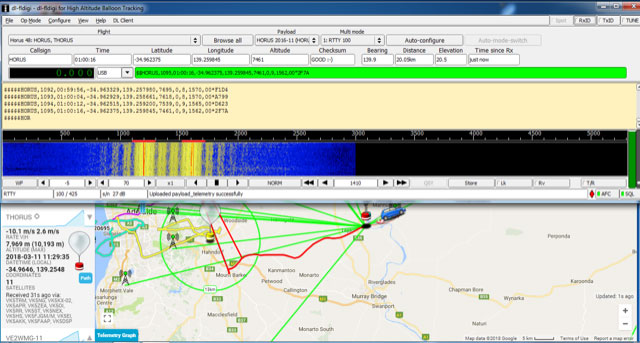
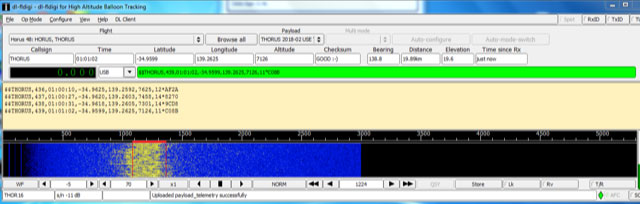
- Our usual 100 baud 7N2 RTTY telemetry on 434.650 MHz USB. This can be decoded using dl-fldigi, with a reception guide available here. NOTE: There is a known issue with dl-fldigi where it does not upload any received telemetry until about 10 minutes after the software is started. Any telemetry received in this time period will be queued and uploaded after the startup period has completed (i.e. no telemetry will be lost).
-

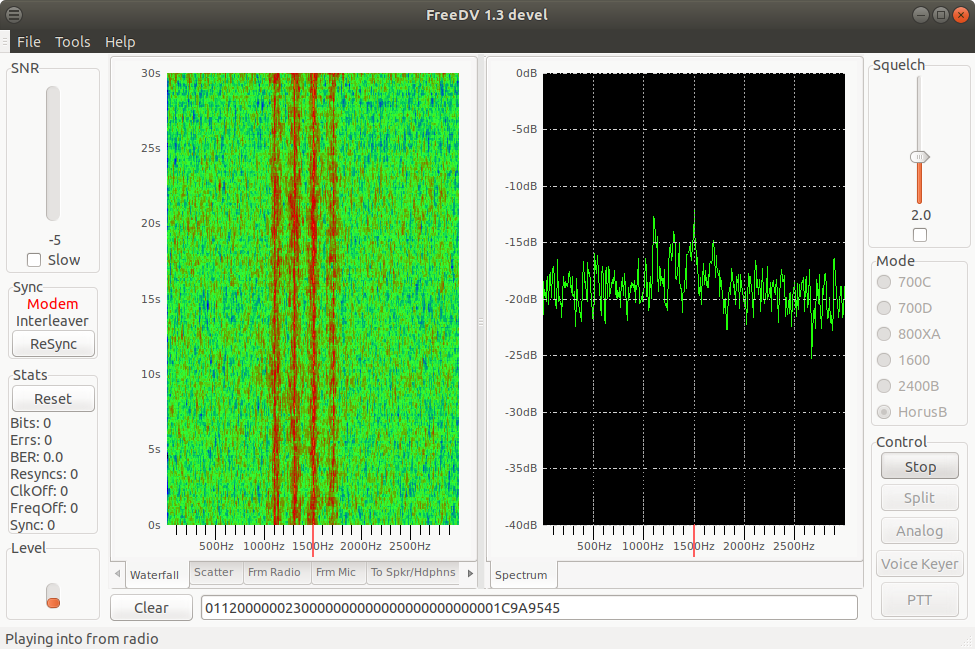
4FSK Telemetry decoder
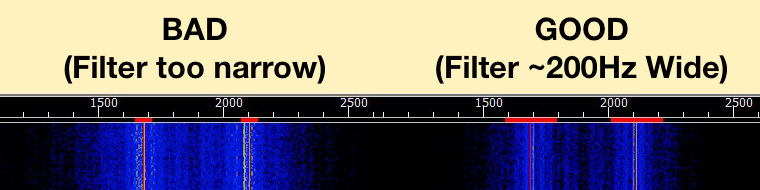
The new 4FSK Binary telemetry will be transmitting on 434.640 MHz USB. This uses a separate decoder, with setup instructions for this available here. (Previous listeners note that there have been updates to the software – please re-download the latest version!). We would love reports of how the 4FSK signal compares to standard RTTY!
- If weight permits, there will be an APRS beacon operating on 145.175 MHz with the callsign VK5ARG-12. This will be received automatically by the APRS network.
 Tracking of the flight will be available on the HabHub Tracker, available at this link. (Note that other balloon launches will also be visible on this page, including the Bureau of Meteorology launches from Adelaide Airport).