Oceania DX Contest

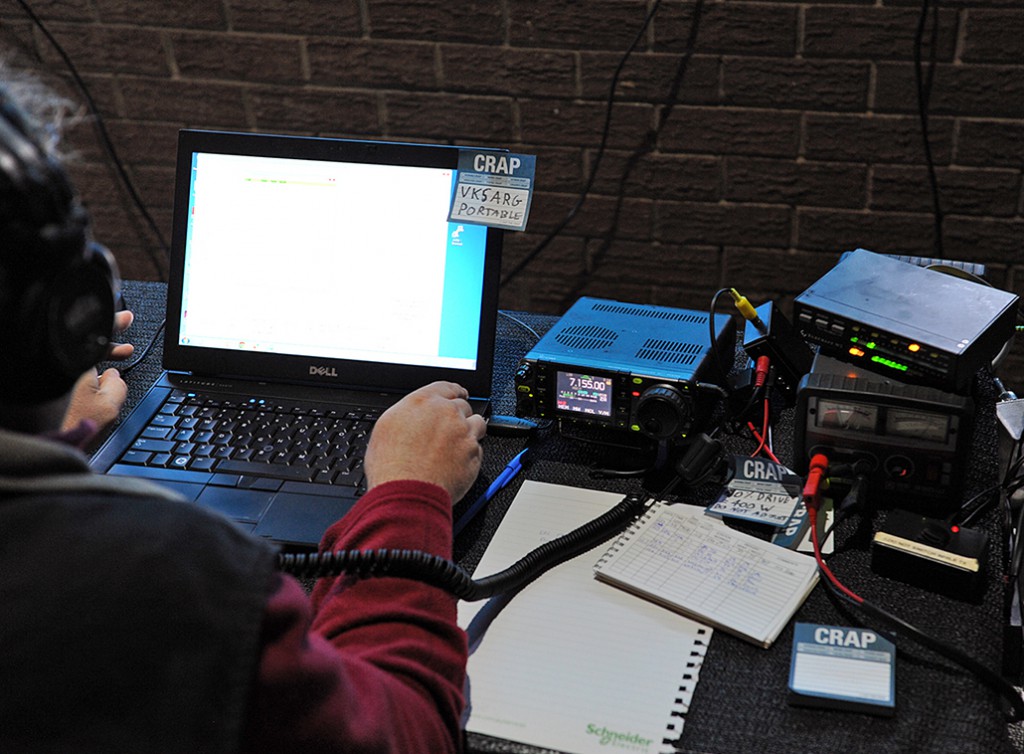
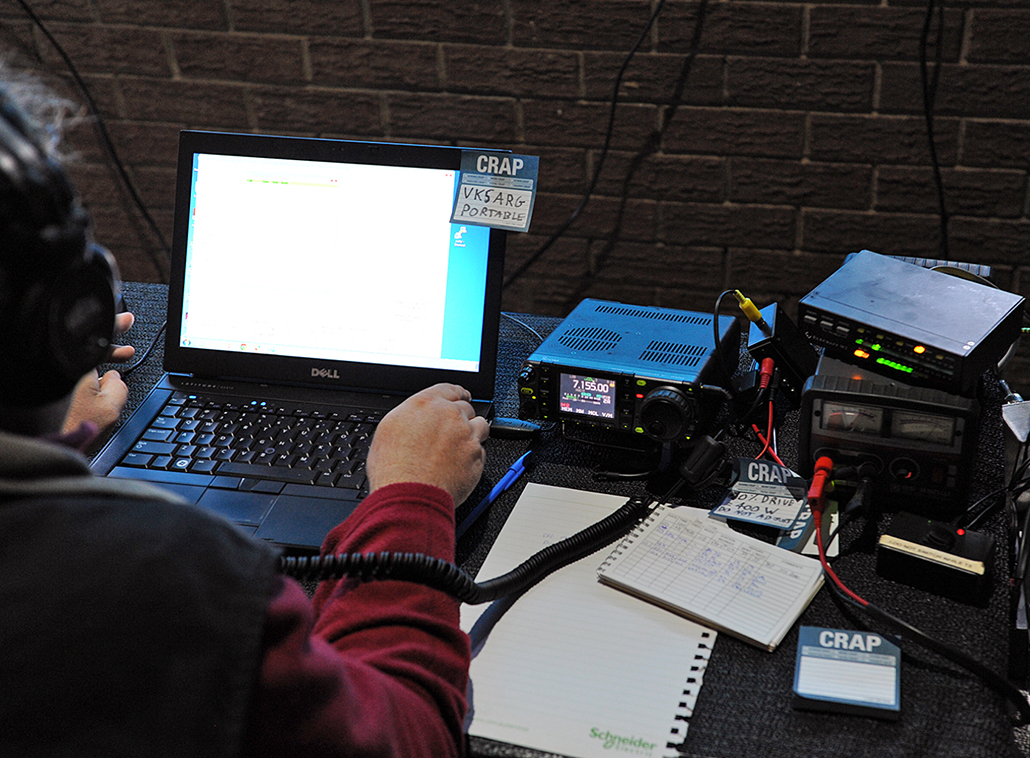
Members of the Amateur Radio Experimenters Group (AREG) will be activating the club call VK5ARG this weekend (4-5th October) for the Oceania DX SSB Contest. We will be operating from Younghusband, approx. 80km east of Adelaide, SA.

AREG will be entering the contest as a MULTI-ONE team, and the main operators will be Matt VK5ZM, Mark VK5QI, Josh VK5JO and Theo VK5MTM. We will mainly be focusing on the 20m band, but hope to work a few VKs on 40m also.

Hope to hear you on the bands!
VK5 Conservation/National Parks Award 1 year Anniversary

The weekend of the 5th and 6th of April was the one year anniversary of the VK5 Parks award, which encourages portable operation from South Australia’s National & Conservation parks. ‘Activators’ operate portable from within parks, while ‘Hunters’ make contacts with activators. Awards are available for both activators and hunters, and also for making park-to-park contacts.

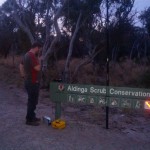
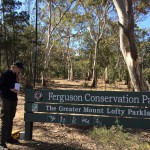
Andy VK5AKH and Mark VK5QI decided to give the AREG club callsign (VK5ARG) a workout by activating as many parks as possible in a single day. They set off Sunday morning at 7:30AM, and by 8PM had activated 20 parks. Emphasis was placed on fast activations, with about 5 contacts made per park.

The parks activated were:

  1. Morialta Conservation Park
  2. Black Hill Conservation Park
  3. Montacute Conservation Park
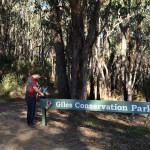
  4. Giles Conservation Park
  5. Horsnell Gully Conservation Park
  6. Ferguson Conservation Park
  7. Clealand Conservation Park
  8. Mount George Conservation Park
  9. Kenneth Stirling Conservation Park
  10. Mylor Conservation Park
  11. Mark Oliphant Conservation Park
  12. “The Knoll” Conservation Park
  13. Belair National Park
  14. Marino Conservation Park
  15. Hallett Cove Conservation Park
  16. Onkaparinga River Conservation Park
  17. Moana Sands Conservation Park
  18. Aldinga Scrub Conservation Park
  19. Kyeema Conservation Park
  20. Mount Magnificent Conservation Park

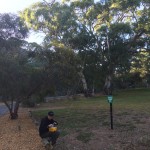
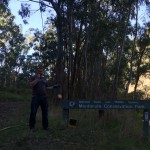
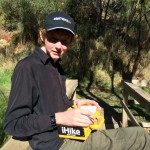
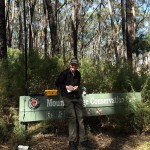
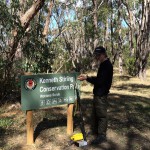
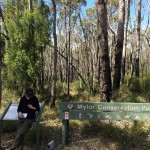
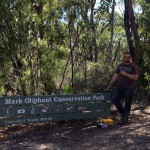
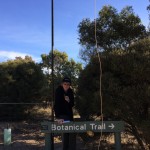
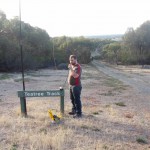
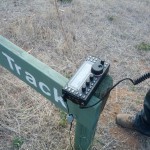
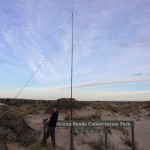
Some pictures from the day are shown below:

John Moyle Memorial Field Day 2014 – VK5ARG

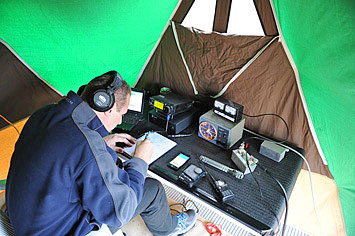
This year for the John Moyle Memorial field day 10 members from the Amateur Radio Experimenters Group (AREG) and 3 Members from the Elizabeth Amateur Radio Club (EARC) decided to combine efforts under the AREG club call-sign VK5ARG.
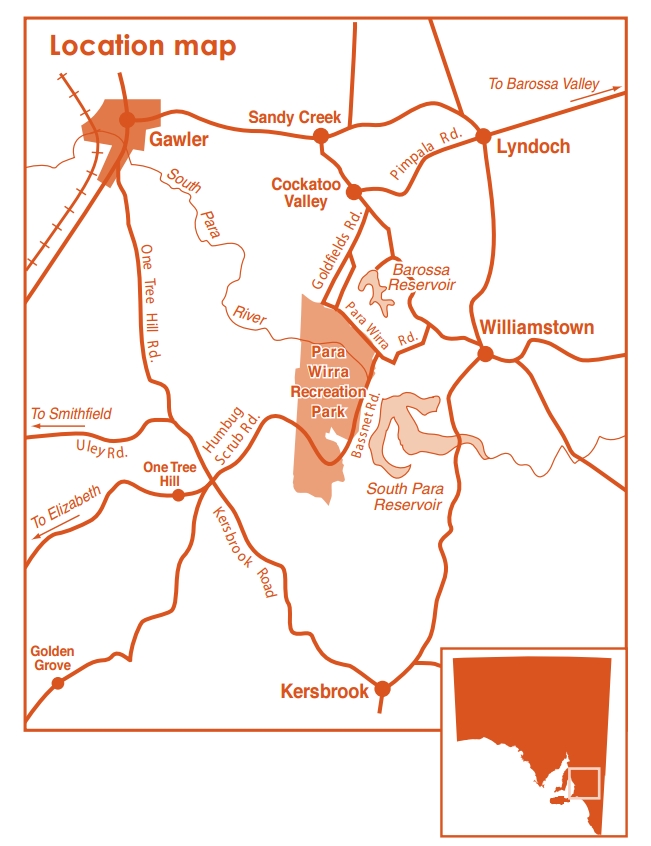
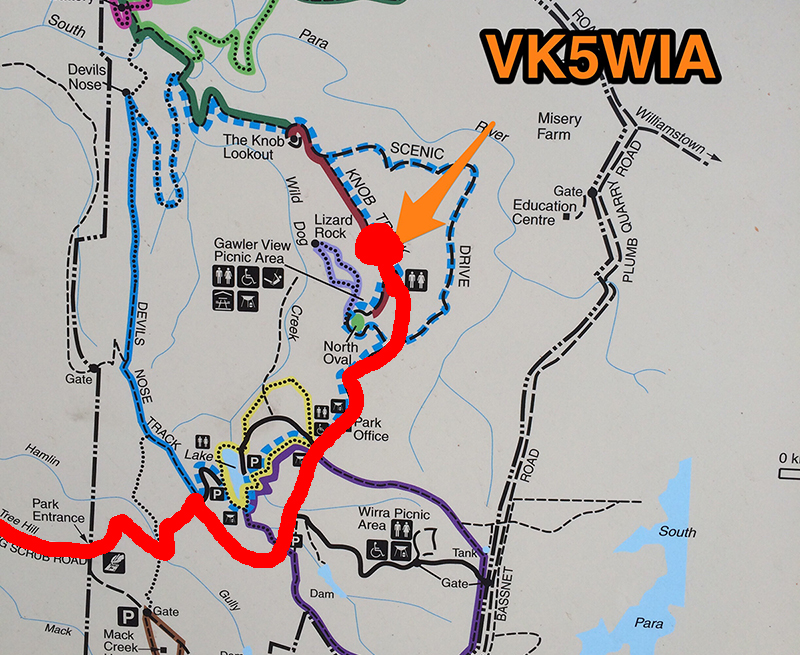
The Para-Wirra recreation pack, 30km north-east of Adelaide, was chosen for its low noise floor and relatively close location to the city. Theo, VK5MTM has produced a video showing the events of the weekend:

A great weekend was had by all, and we totalled 927 contacts across the HF bands.Thank you to those who attended, lent us gear and to all those stations we worked. Please submit your log and we hope to see you next year.

Project Horus Balloon Launch on WIA Field Day

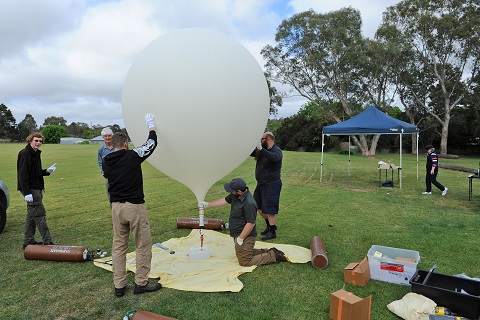
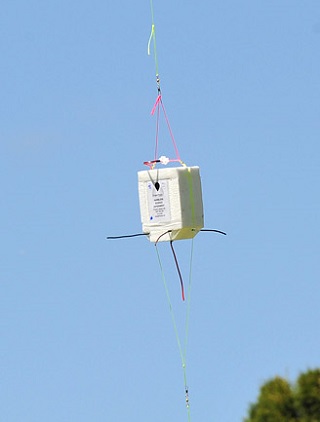
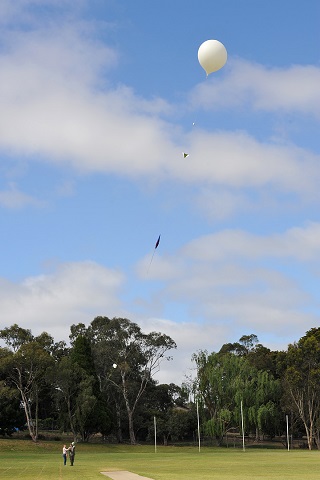
The Project Horus high altitude balloon group, based in Adelaide, is planning it’s 23rd balloon launch this Sunday 15th April, launching shortly after the WIA Broadcast between 10-11am.

This will be an amateur radio oriented balloon launch, with three payloads of interest to amateurs, intended to coincide with the WIA field day.

The group will fly the FM cross band voice repeater again. The repeater will operate with a 70cm uplink and a 2m downlink.

New frequencies will be used and they are;

  • Uplink: 438.900 MHz FM + CTCSS Tone of 123Hz
  • Downlink: 144.650 MHz FM (2m experimental segment) + CTCSS tone of 123Hz.

Based on previous flights, it should be possible to access the repeater from up to 800km away at apogee, with about 30-50W. A beam will help overcome the inevitable FM capture effect problems. The downlink is easily audible on any reasonable omni directional antenna, although if you are under the balloon’s flight path you may see 20dB fades or more.

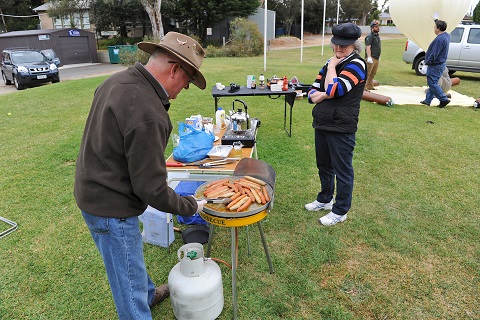
The Amateur Radio Experimenter’s Group will be running net control on the voice repeater as VK5ARG from launch control in the Adelaide Hills.  On decent it is expected that the recovery teams will need to use the cross band repeater periodically, so we ask that people please observe the directions of the net control station.

An APRS tracker will also fly on this flight under the callsign VK5ARG-11 on the national 145.175 MHz frequency.   It will be possible to track the balloon progress via http://aprs.fi , make sure you check out the new horizon ring prediction service on this flight. Telemetry format packets are now also broadcast on APRS.

The ever reliable primary 300 baud RTTY telemetry beacon will also fly – at this stage it will be on 434.075 MHz (note update) (+/- 5kHz thermal drift). This signal is used as part of the group’s “distributed listener” telemetry network where any amateur receiving the data can upload what they are hearing over the internet.

The data, which is sent to the http://spacenear.us/tracker website, contributes to the landing zone predictions used by the chase teams. The chase-tracker teams have 3G Internet data in their vehicles and are actively using and looking at that data, so it is one way amateurs can have a behind the scenes involvement in the flight’s success. NOTE: this beacon only runs 25mW and can be heard at the radio horizon, so why not give it a go!

If you would like more information about the software setup required to participate in the RTTY telemetry recovery take a look at the Project Horus tracking page here http://projecthorus.org

Confirmation that the flight is a “go” can only be given on the Sunday morning (15th). Please keep an ear out on VK5RSB 439.900 or VK5RMB 146.875MHz.

Flying high altitude balloons is subject to the weather, stratospheric wind conditions and have various constraints on where we are permitted to fly, so the potential for the mission to be cancelled exists up until the very last minute before launch. We will endeavour to update various amateur forums and DX Clusters once it is in the air. Flight time should be around 2 & 3/4 Hrs.

If you would like to find out more about Project Horus, please visit our website at  http://www.projecthorus.org/ or for some short films of our past activities, the Vimeo channel at  http://vimeo.com.  This information can also be found in the text edition of the WIA News at  http://www.wia.org.au