Foxhunting today! 2pm Victoria Park Wetlands

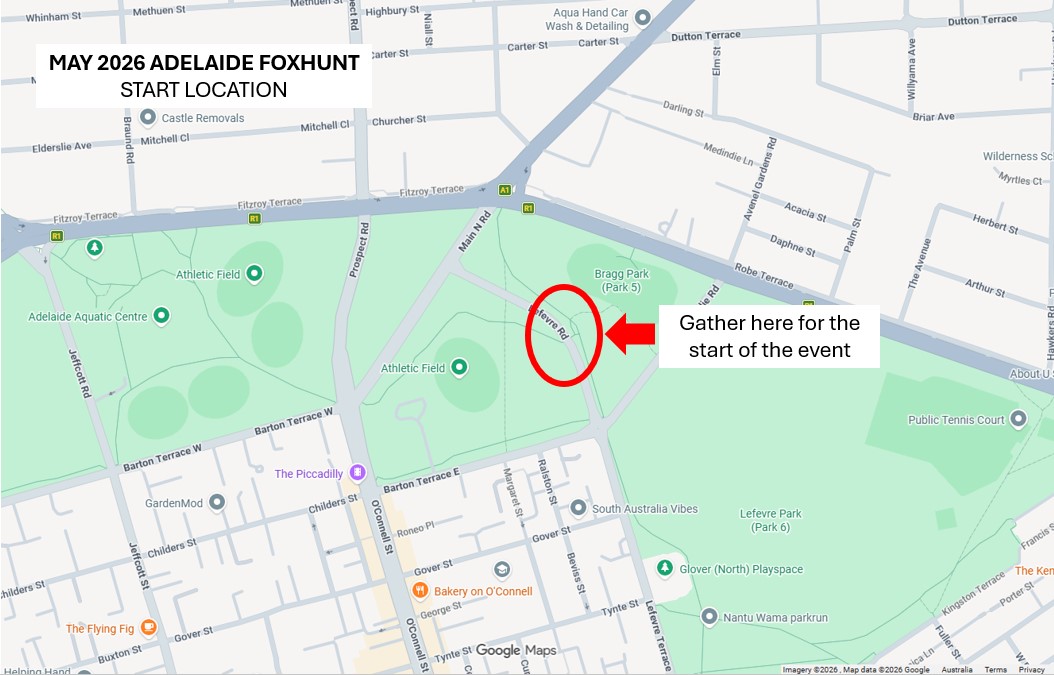
A reminder that the next foxhunt run by the Amateur Radio Experimenters Group will be run at 2pm today, starting with a foot based hunt around the Victoria Park Wetlands in the south park lands in the City, off Beaumont Road via South Terrace.

A vehicle based hunt will follow starting from ~3pm on both the 146 and 438 MHz amateur bands.

Fox hunts are now run monthly on the 1st Saturday of the month and are open to everyone to participate in. We hope to see you there!


Project Horus 70A/B Report – Test & Tune Flights

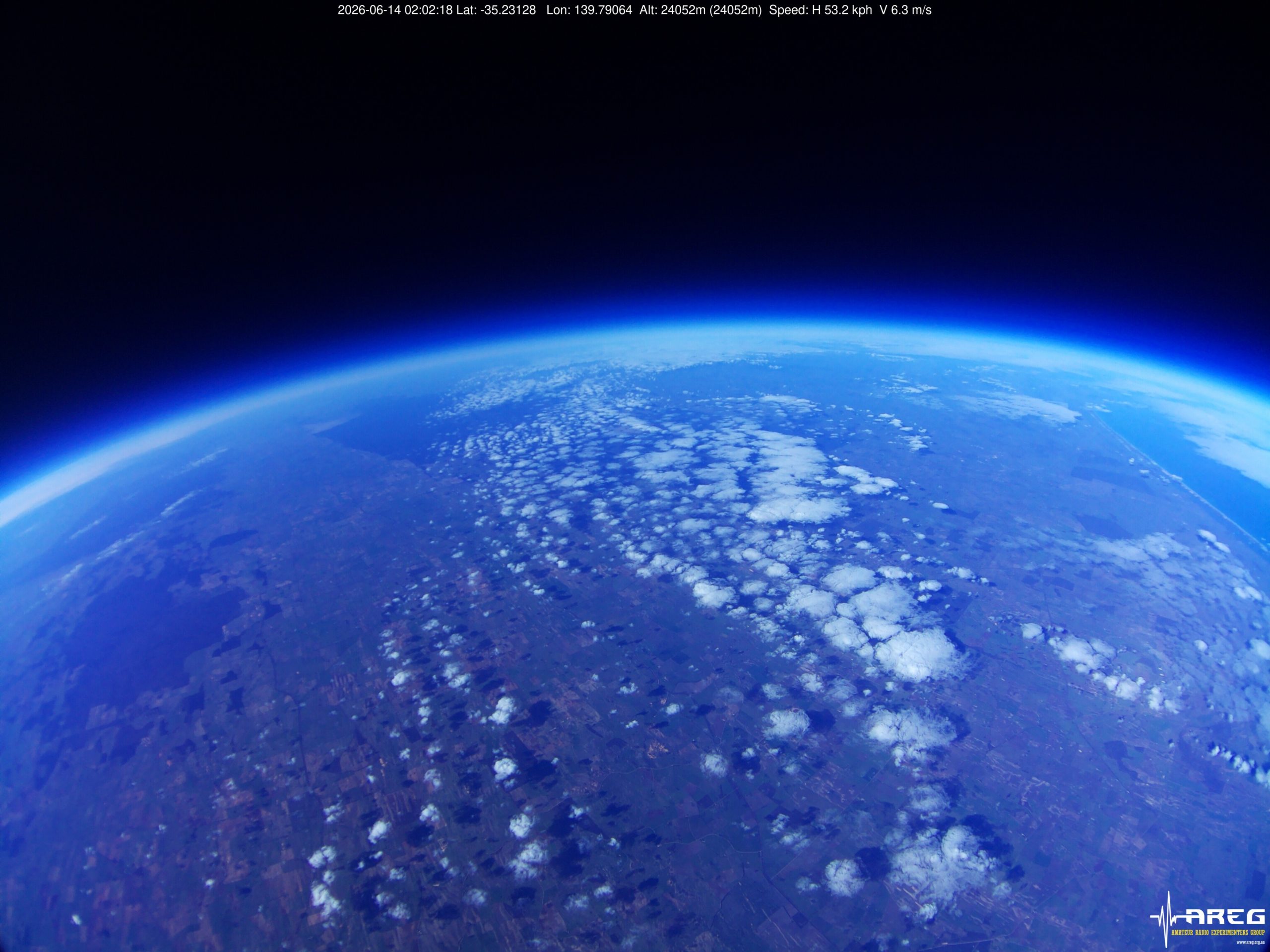
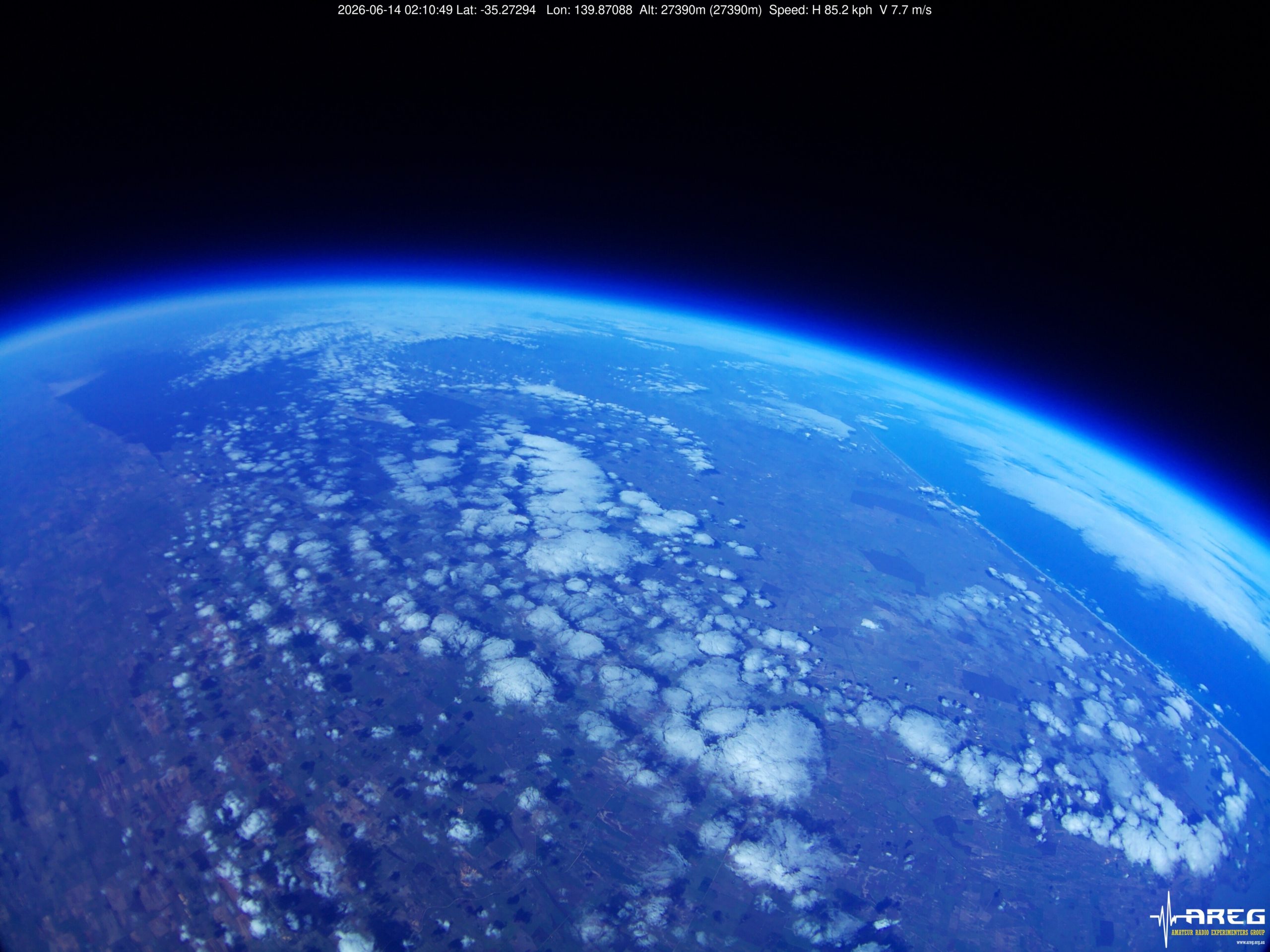
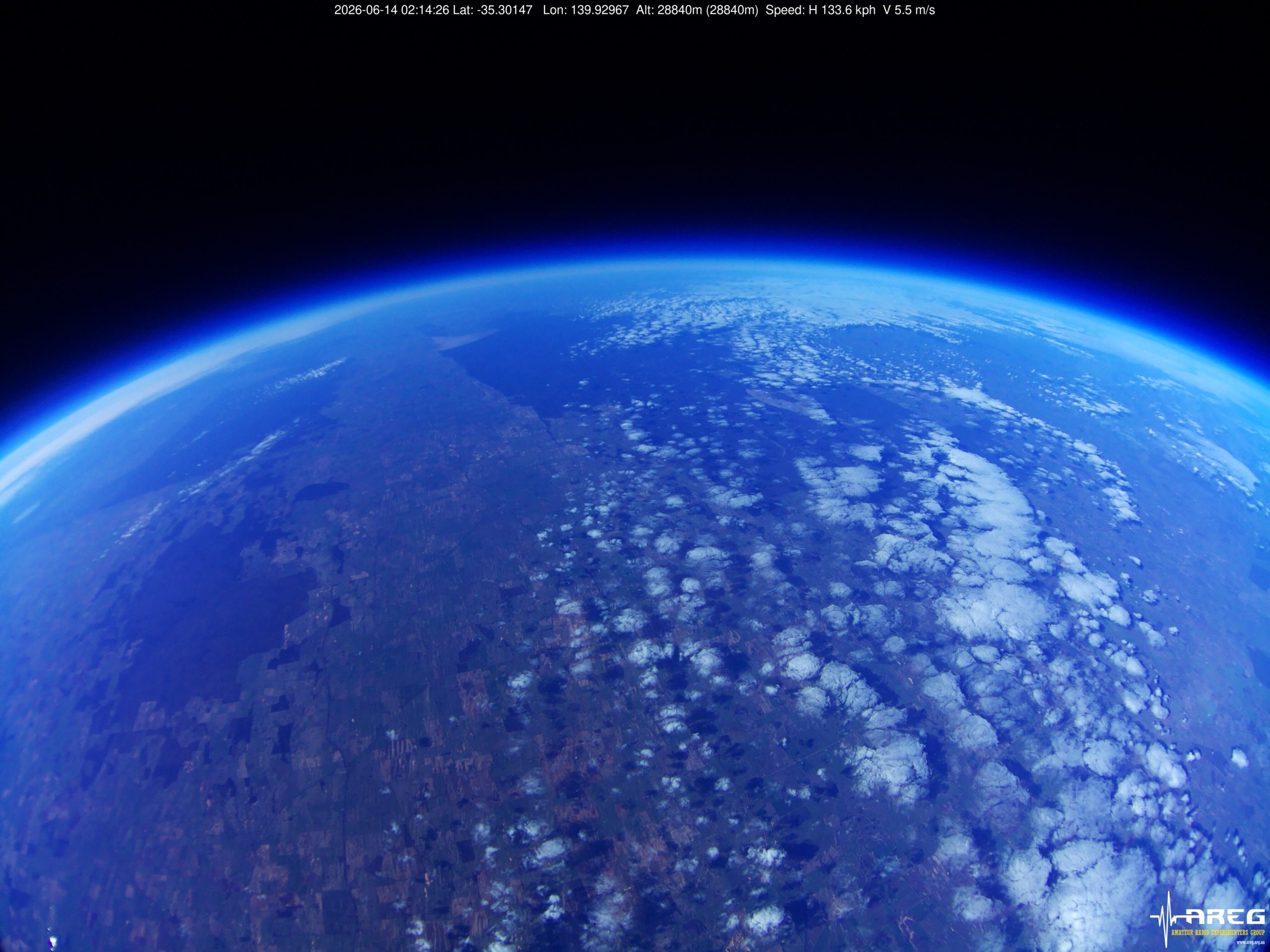
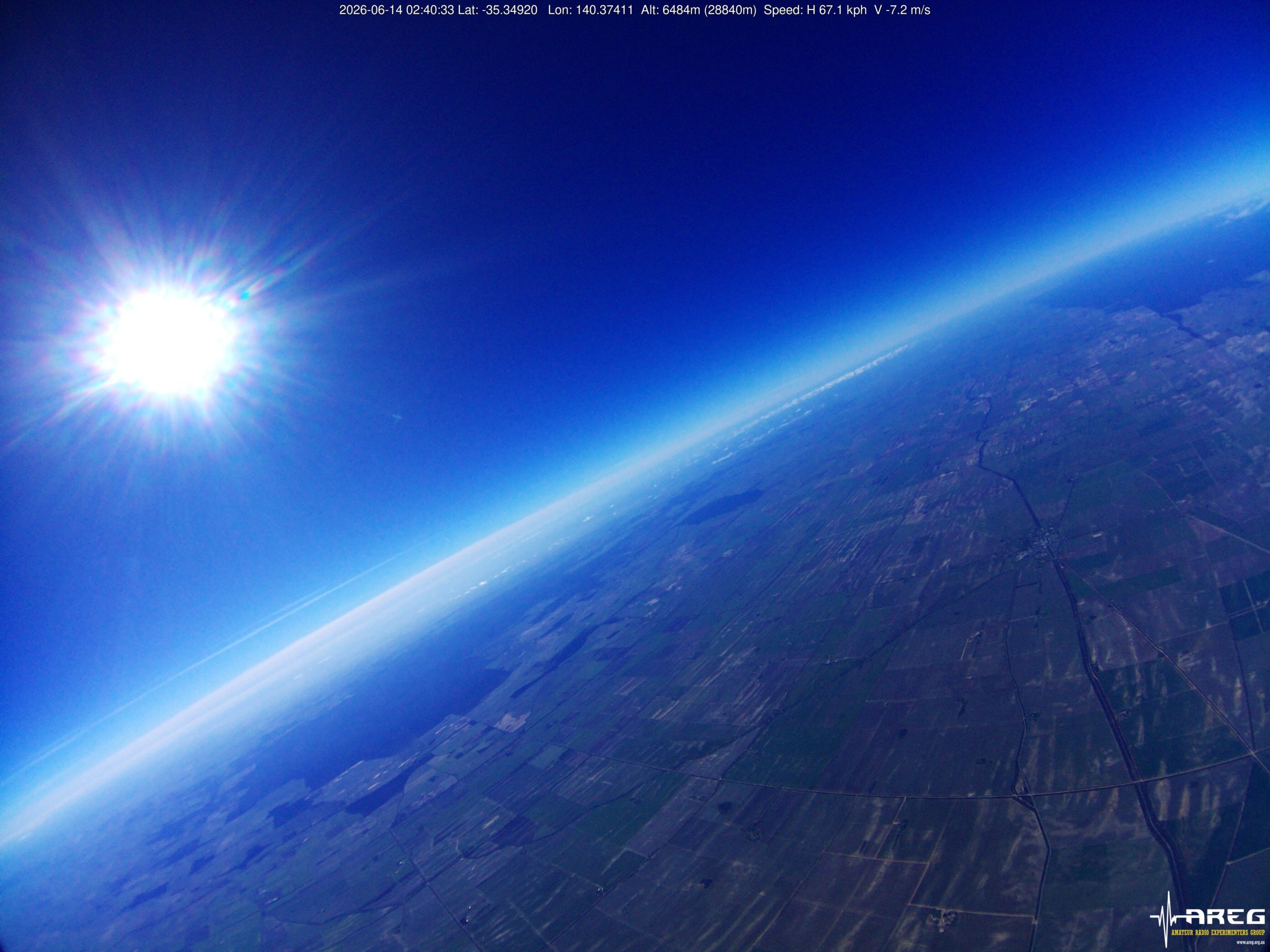
Horus flights 70A & 70B were ‘test & tune’ flights, giving receiving stations a chance to update their decoding software to receive our new ‘Horus Binary v3’ telemetry mode. These were run on the 15th and 29th of March, with just a single tracking payload flown on each launch.

Horus 70A – 15th March 2026

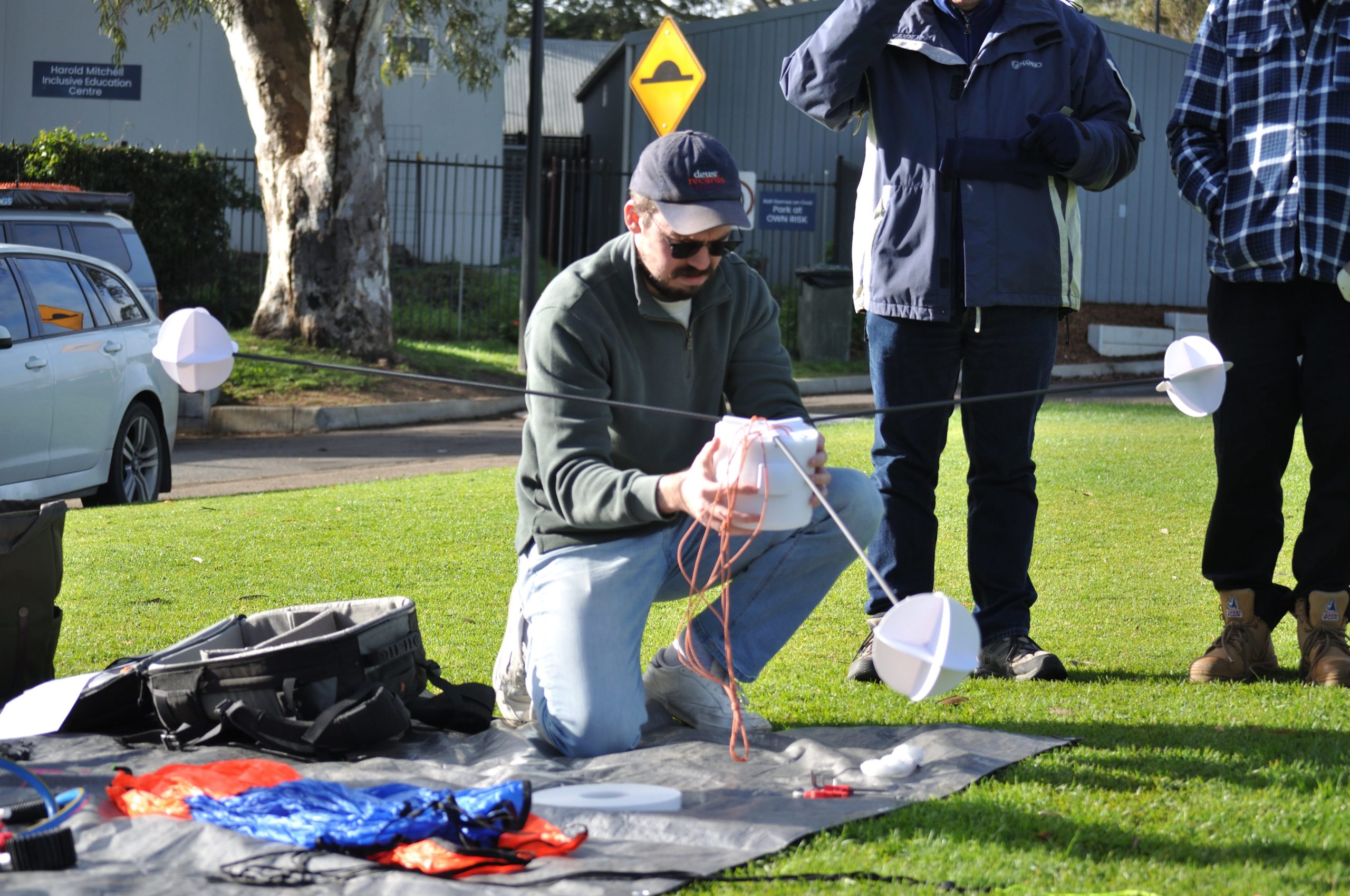
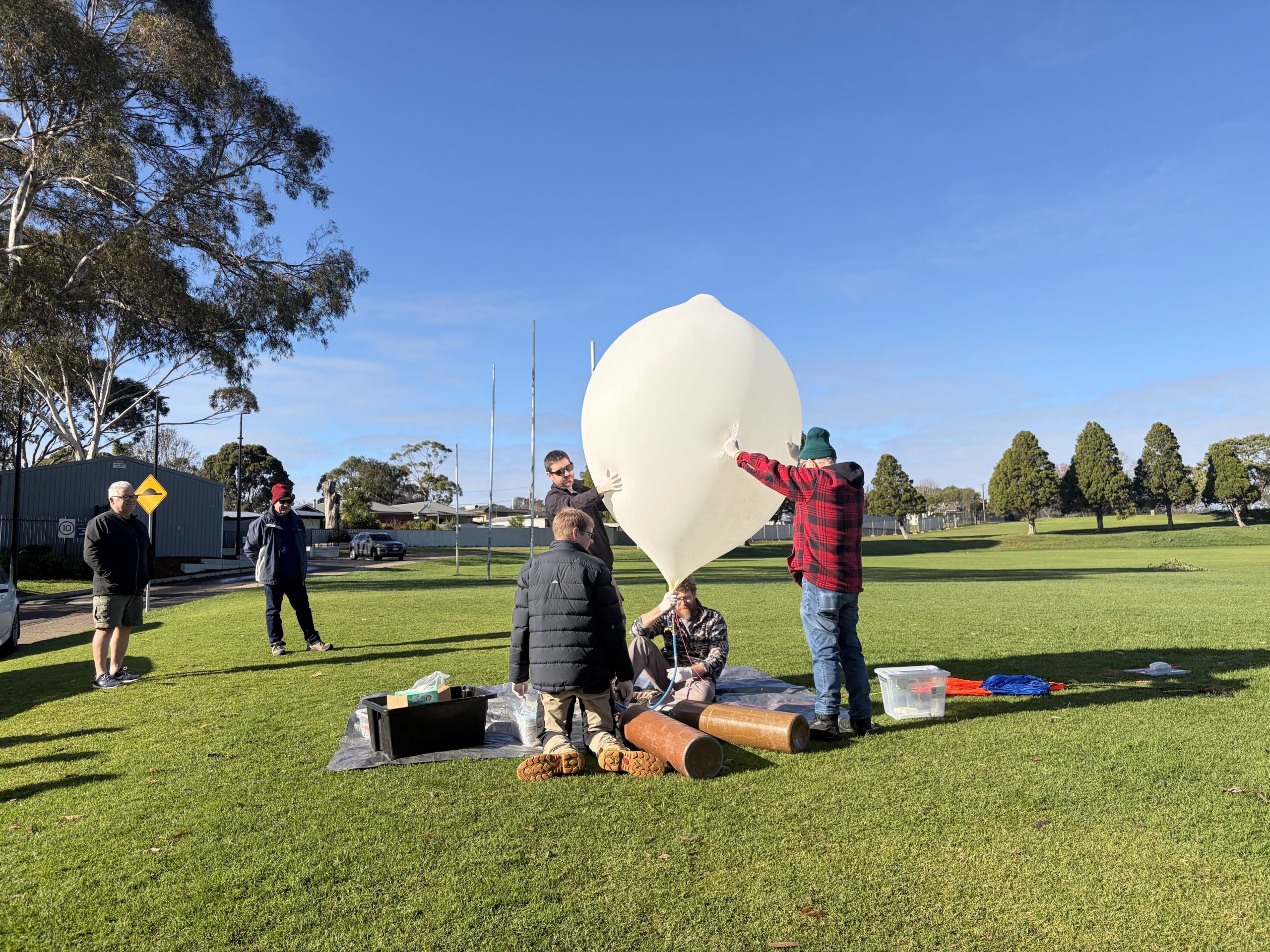
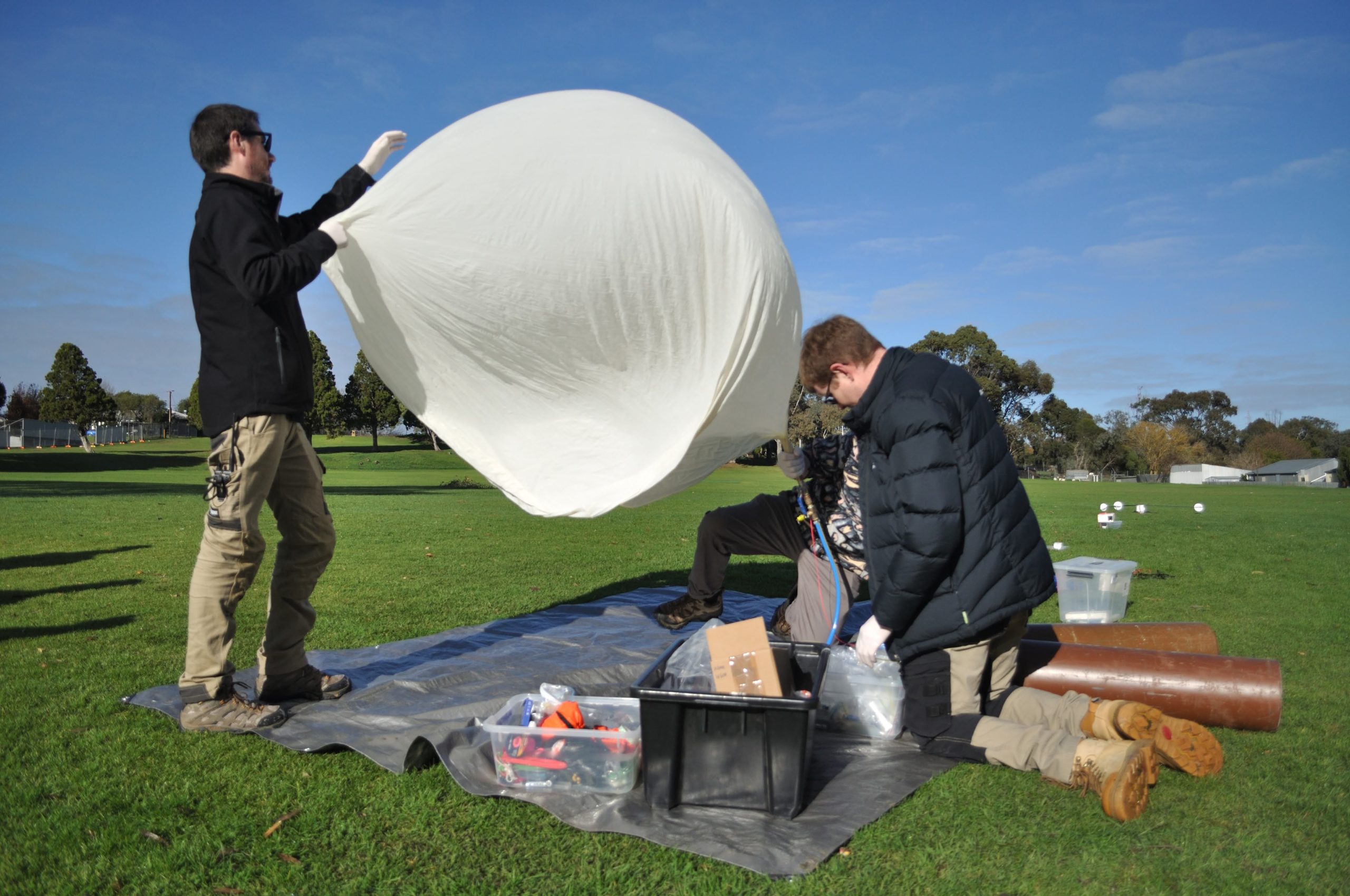
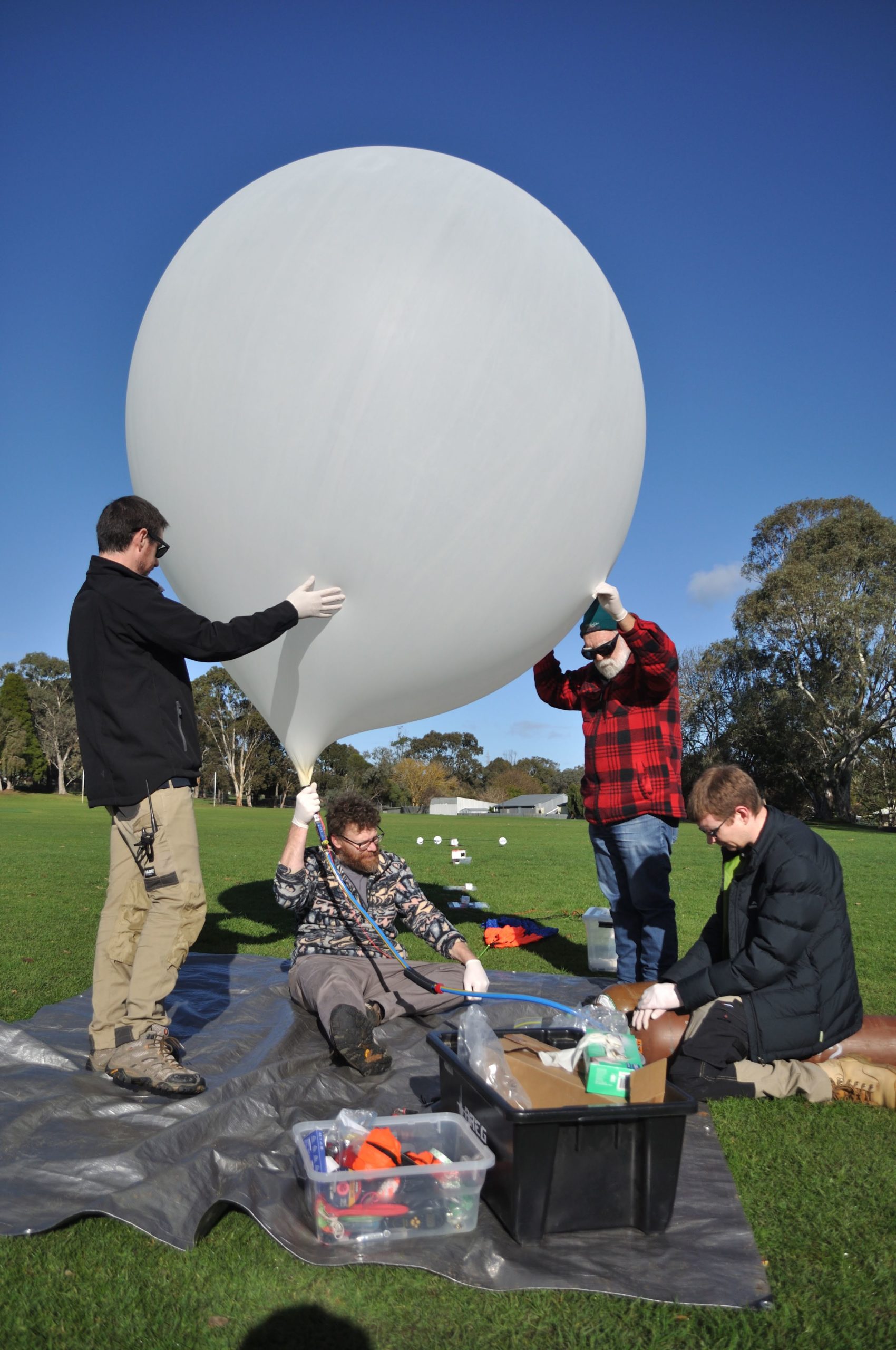
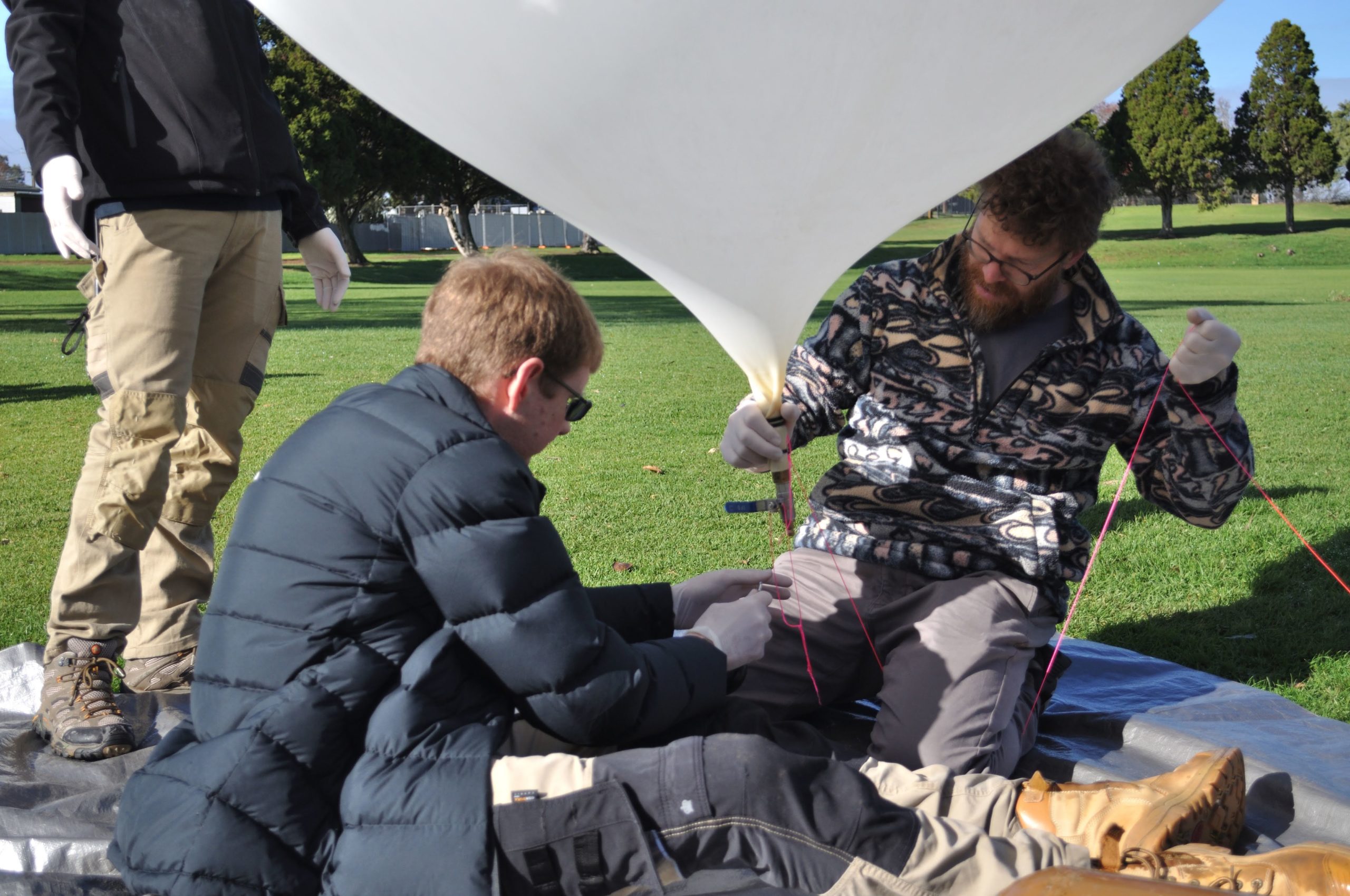
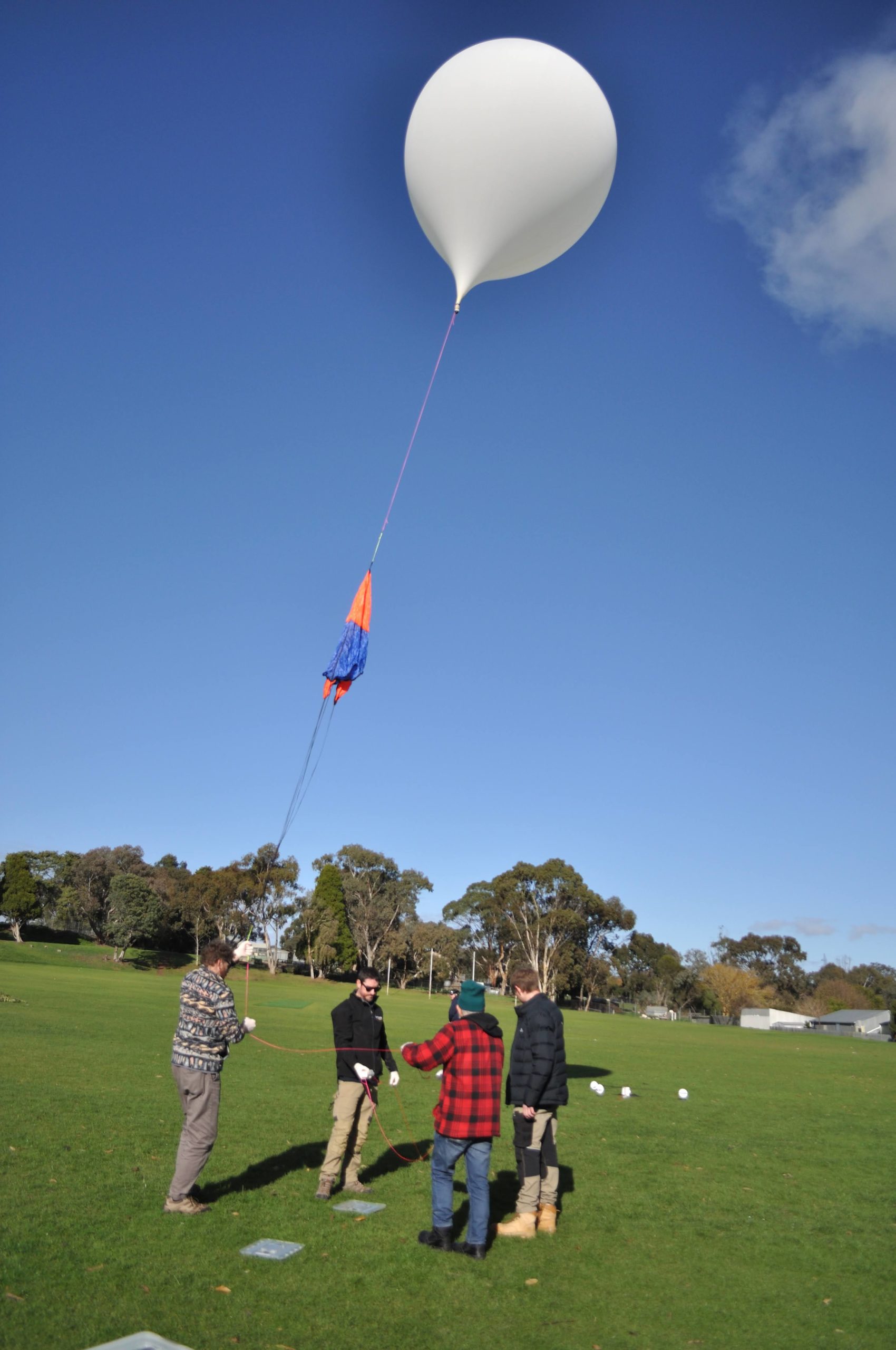
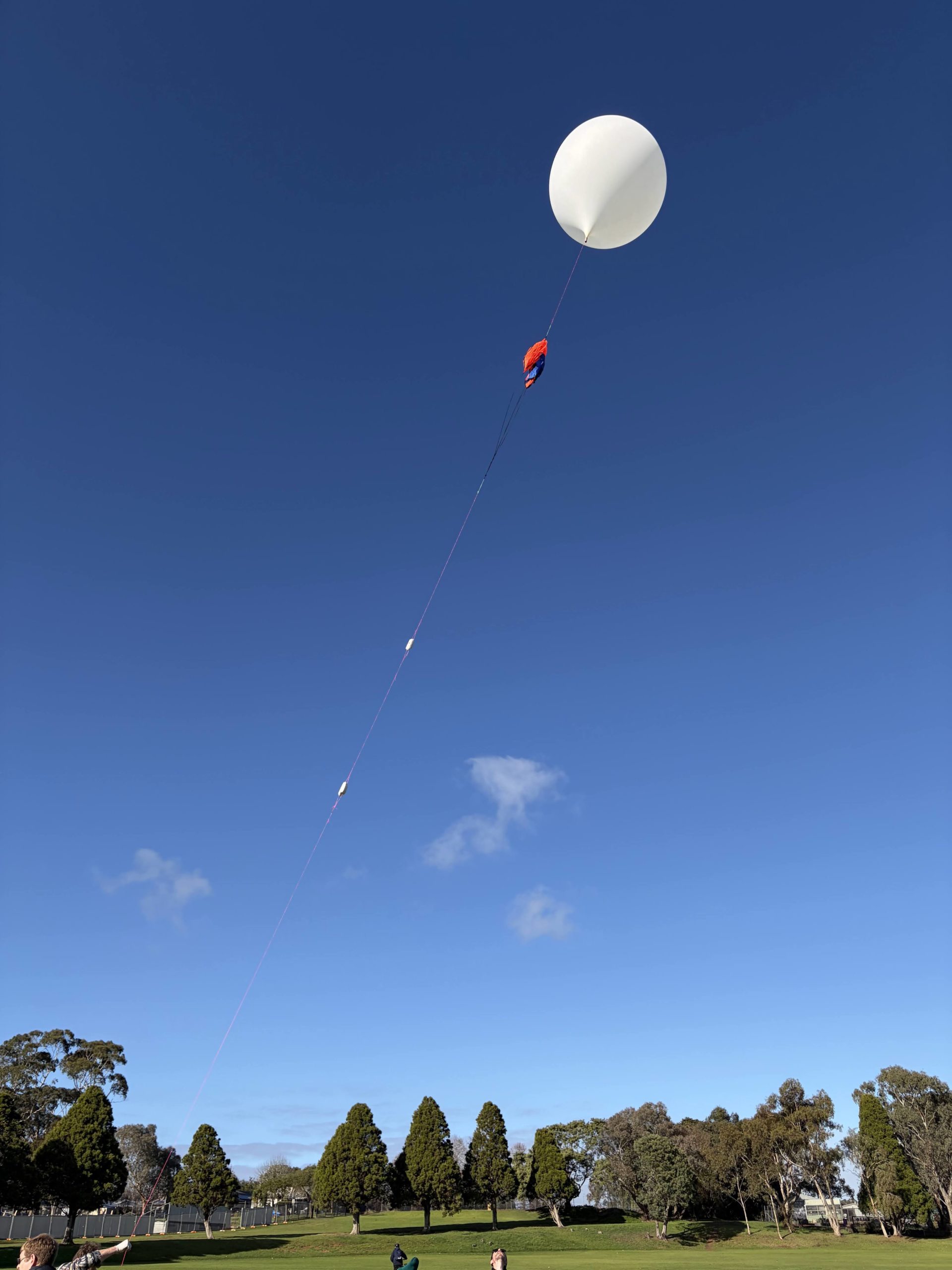
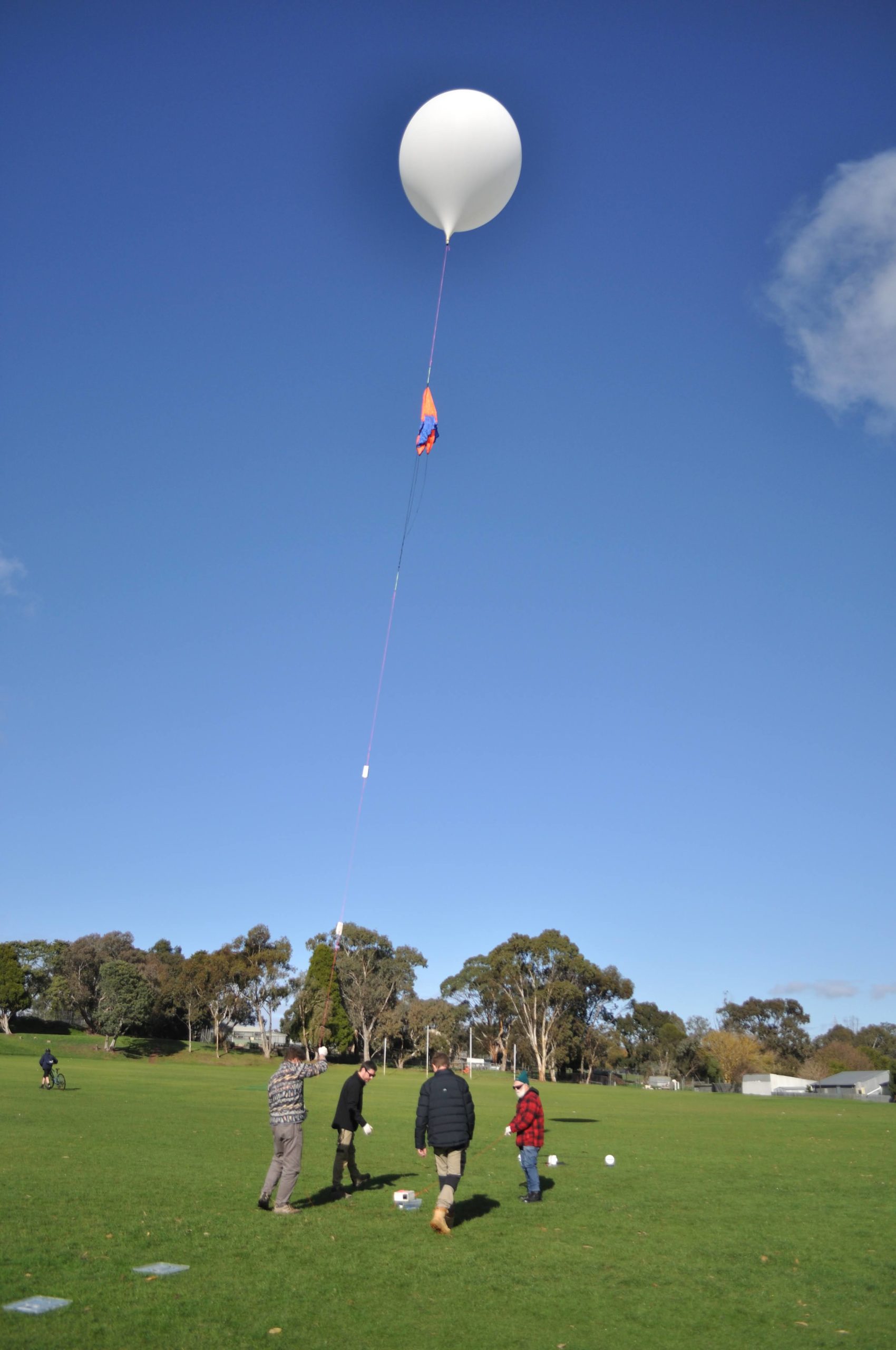
This was the first of the test & tune flights, launched at 10:30AM on a nice calm and sunny day at Mt Barker.

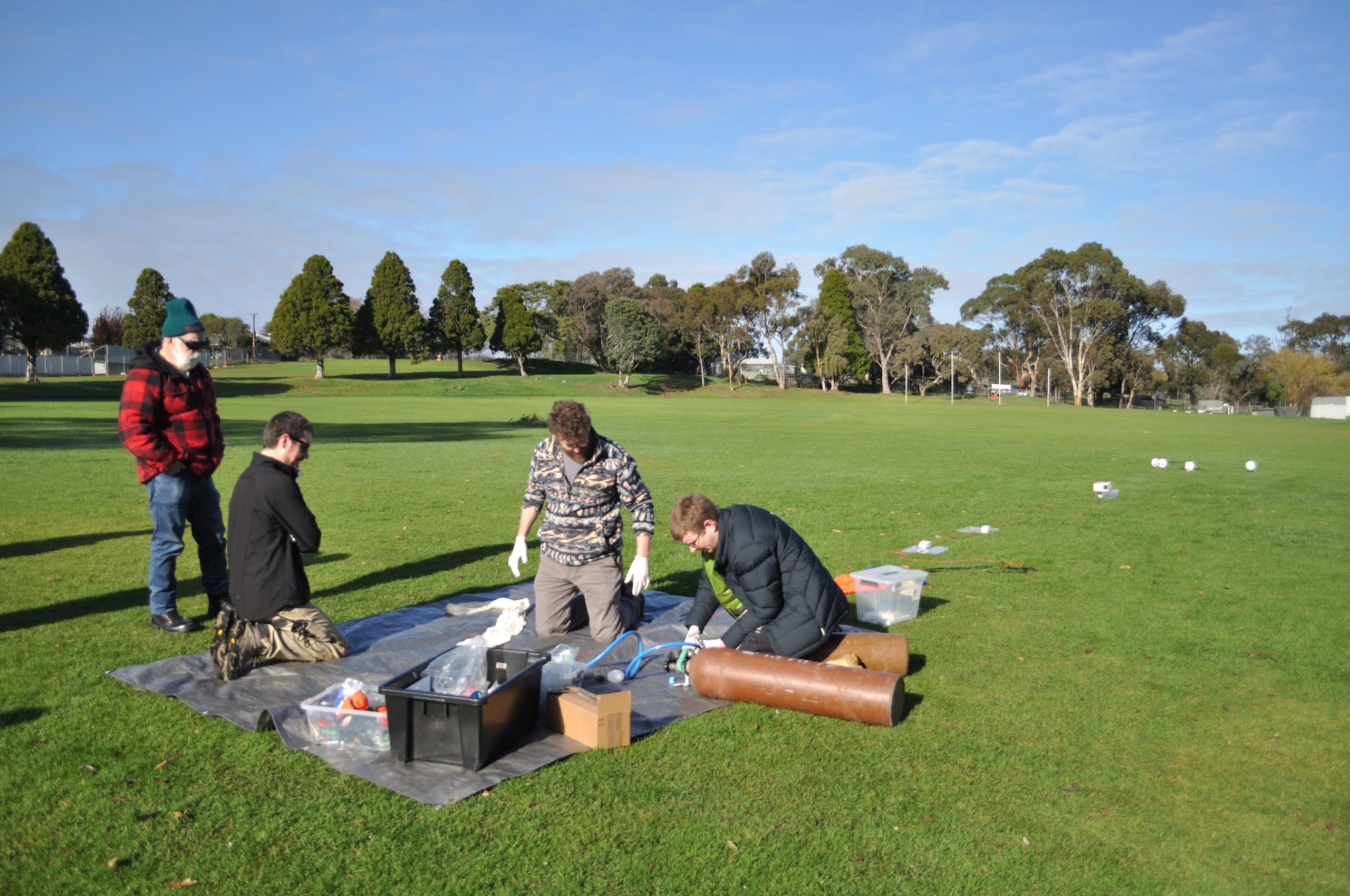
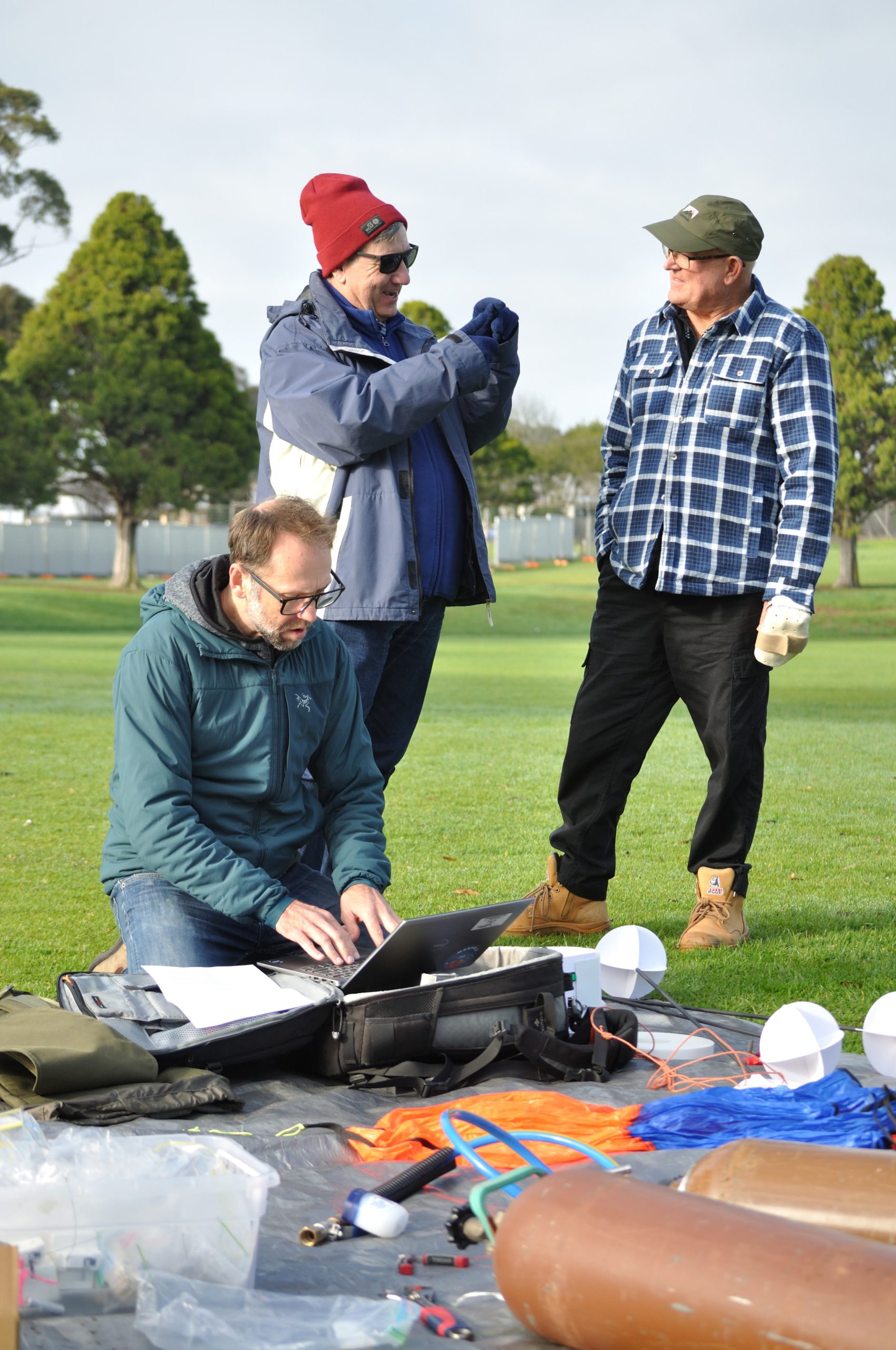
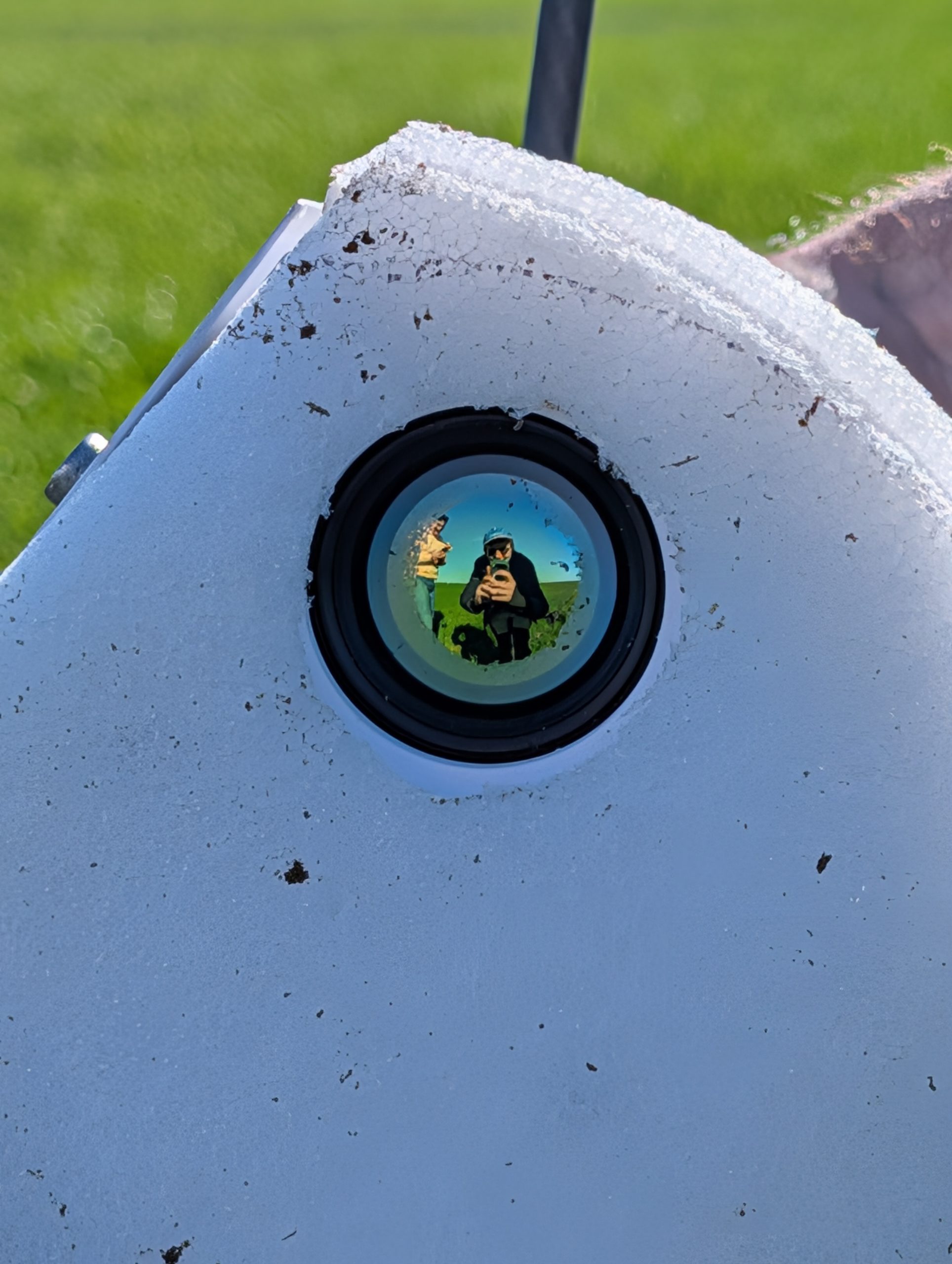
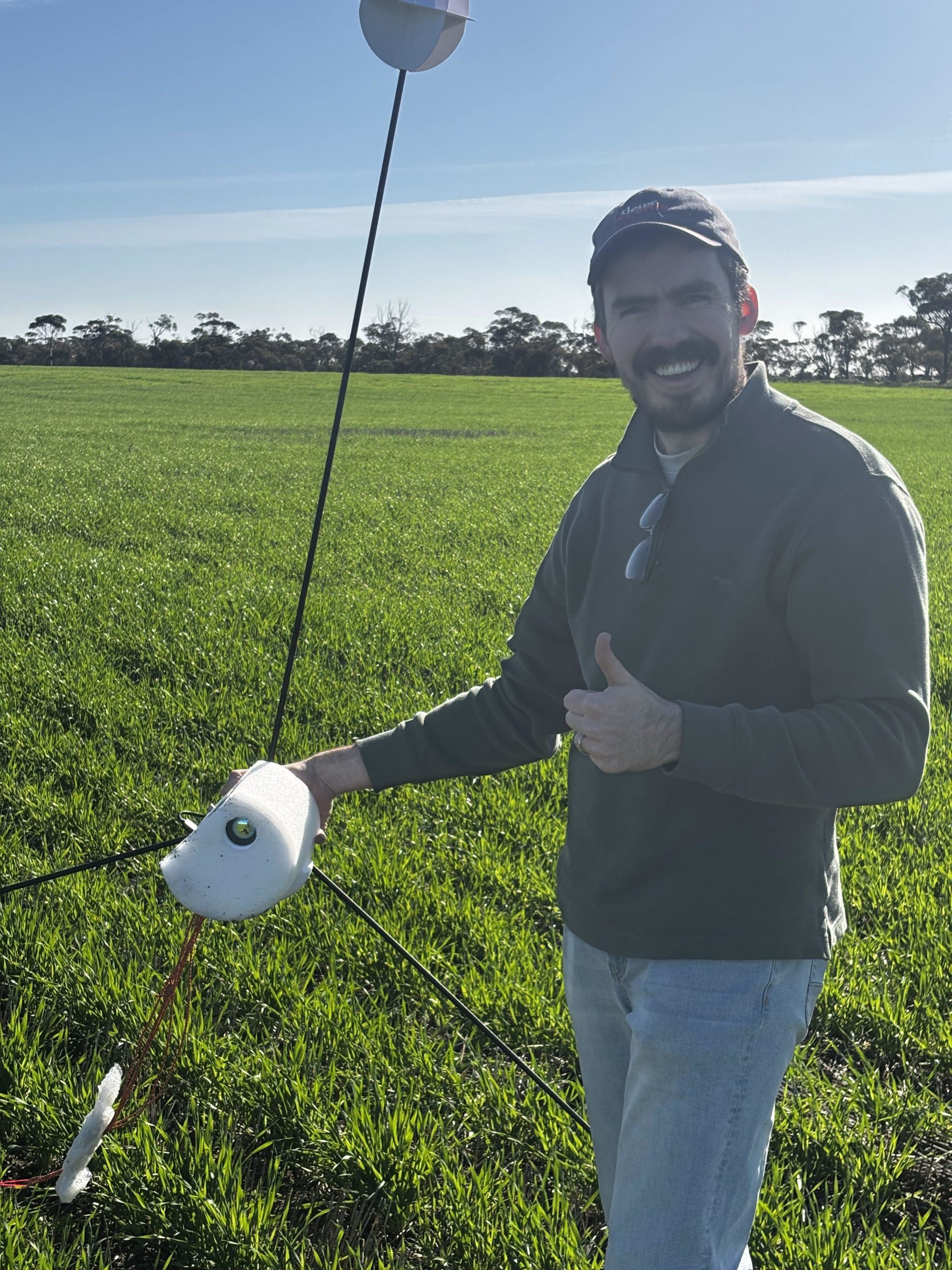
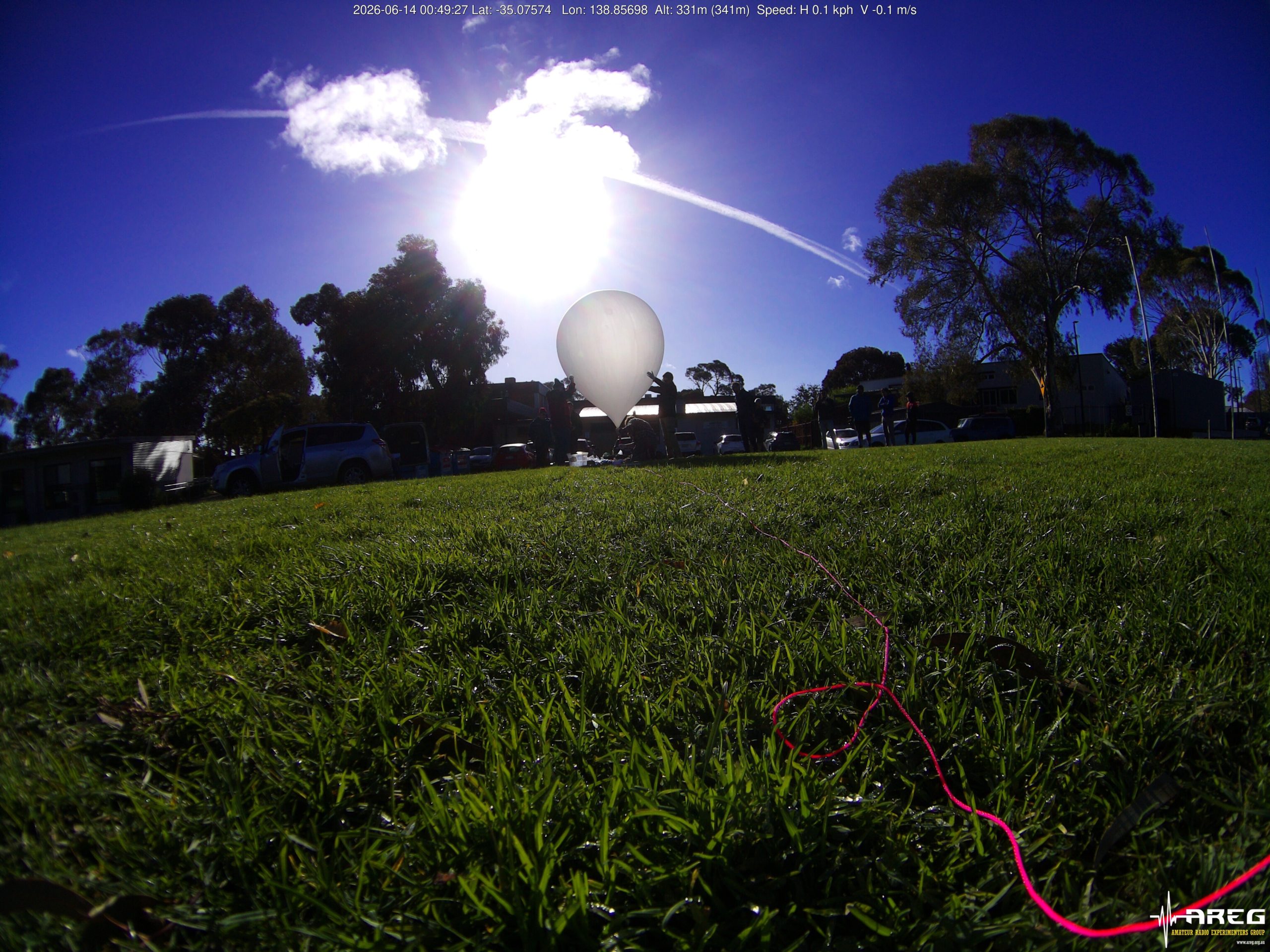
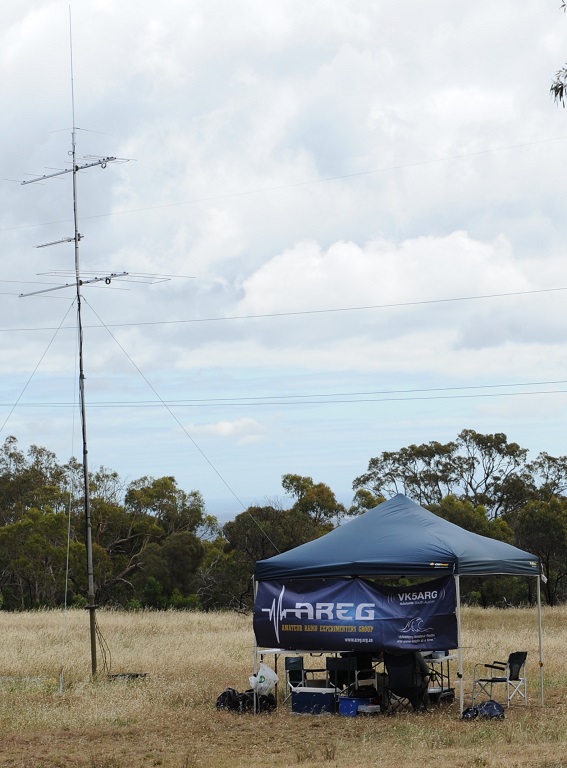
Waiting for launch!

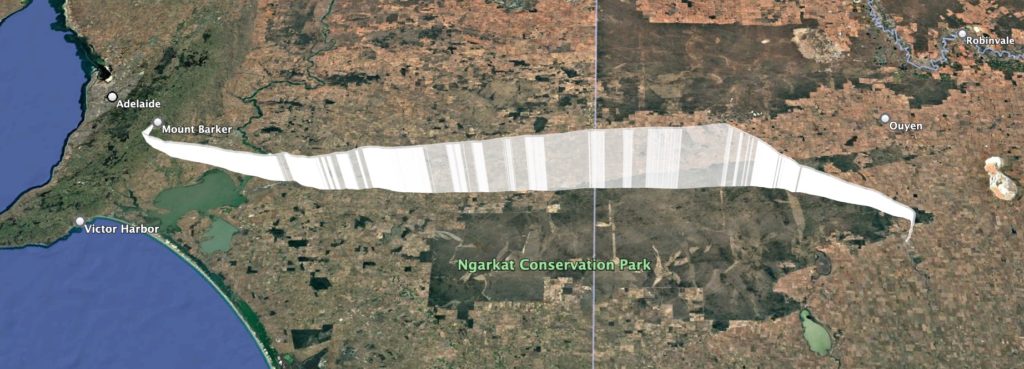
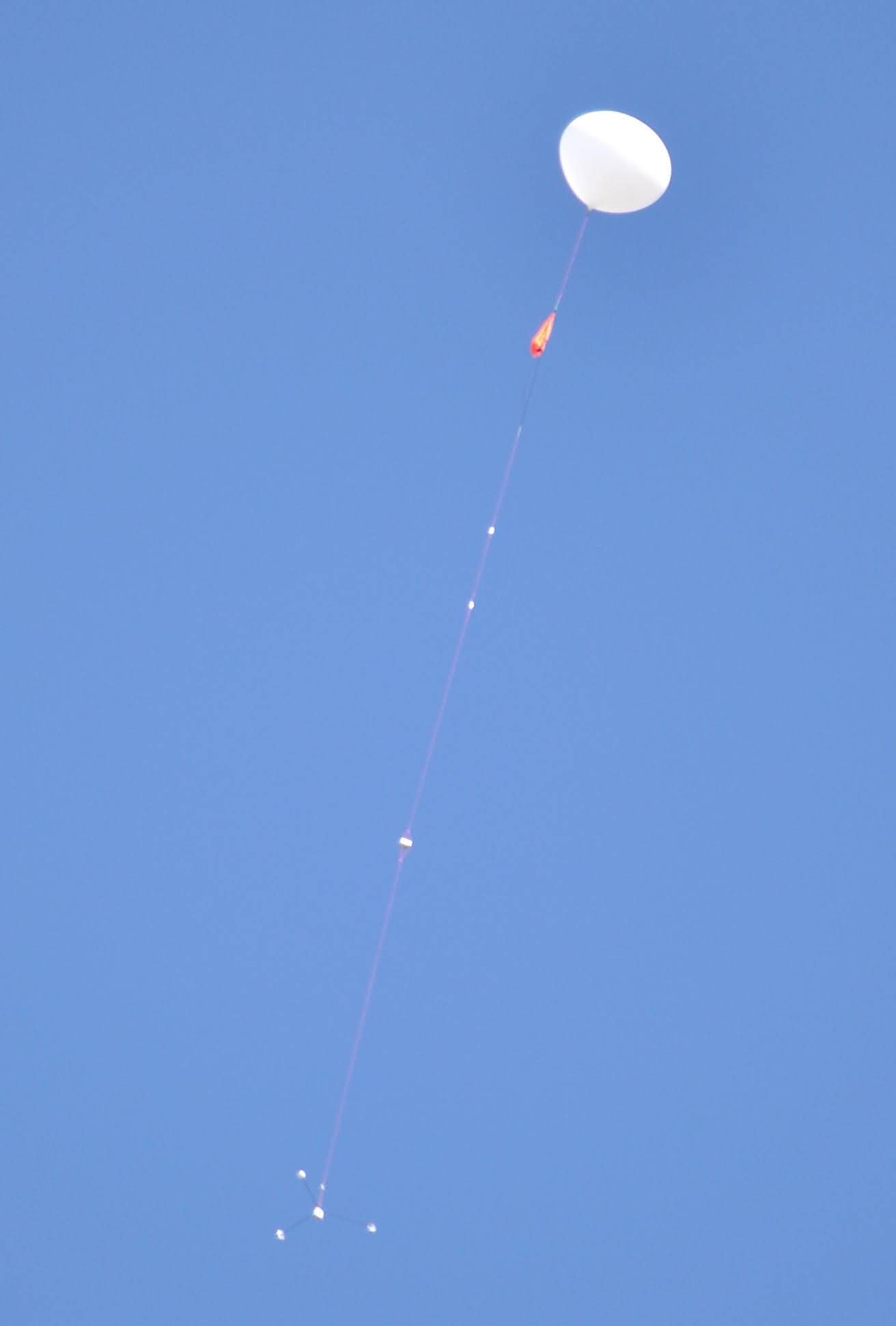
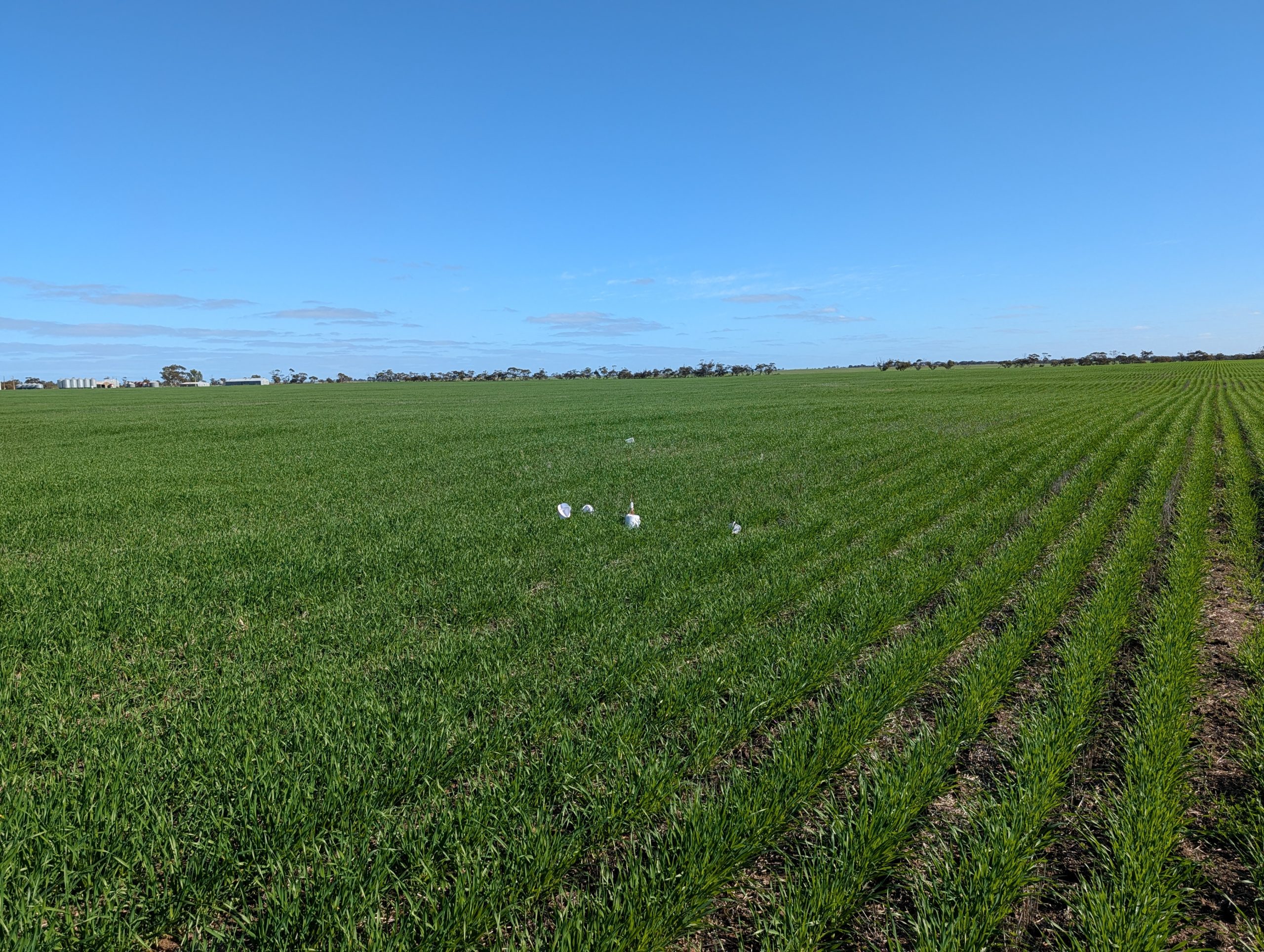
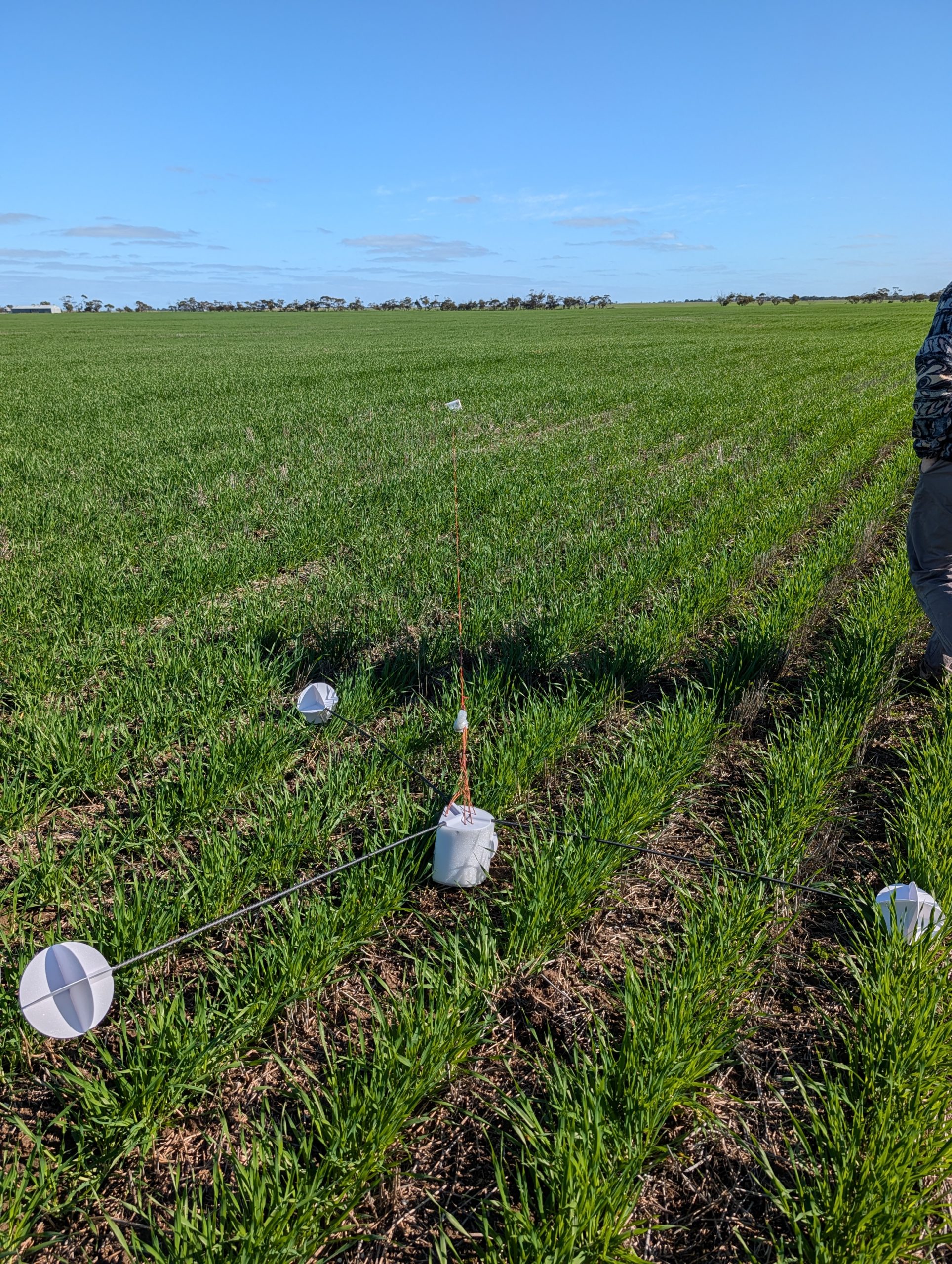
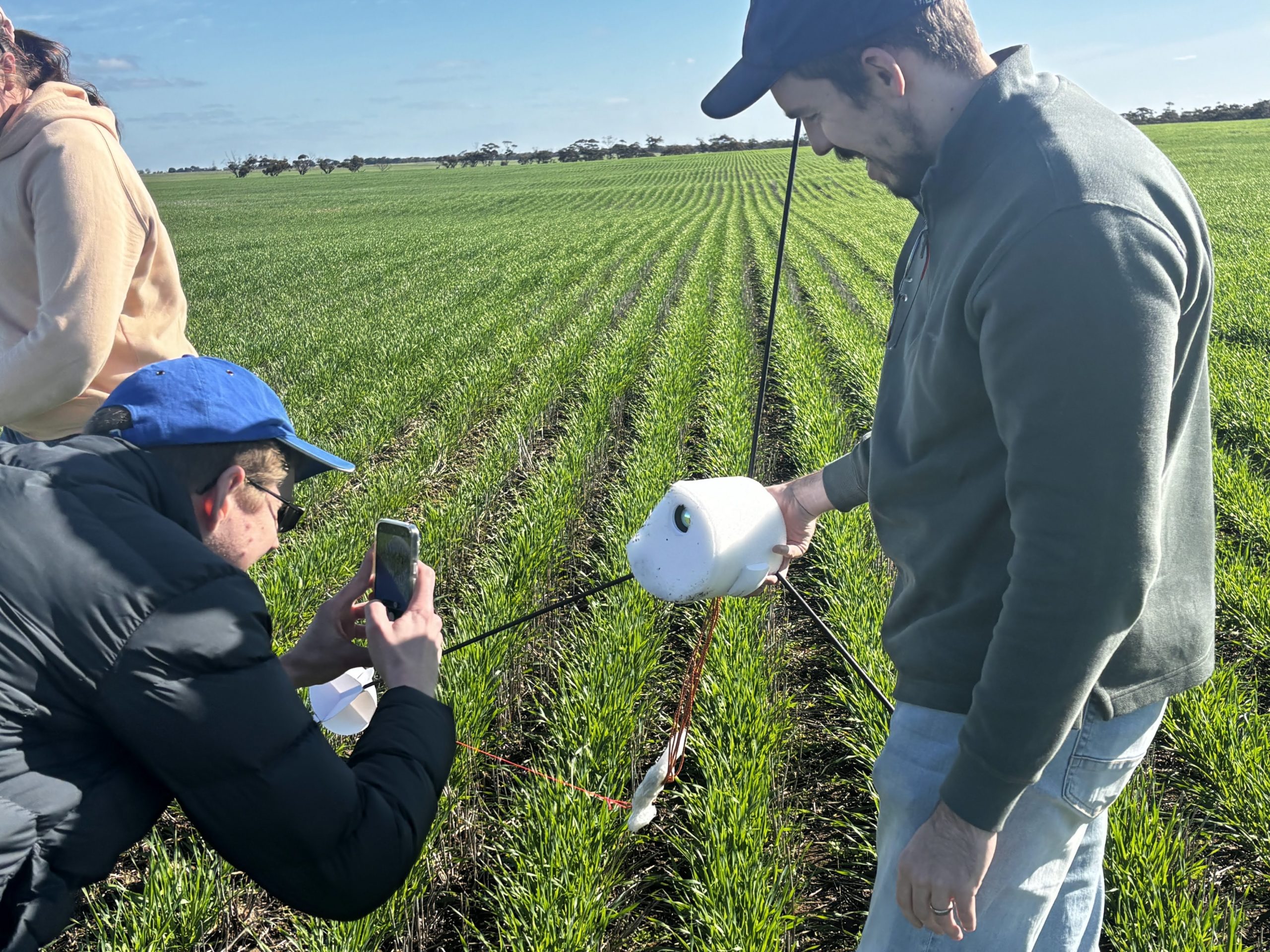
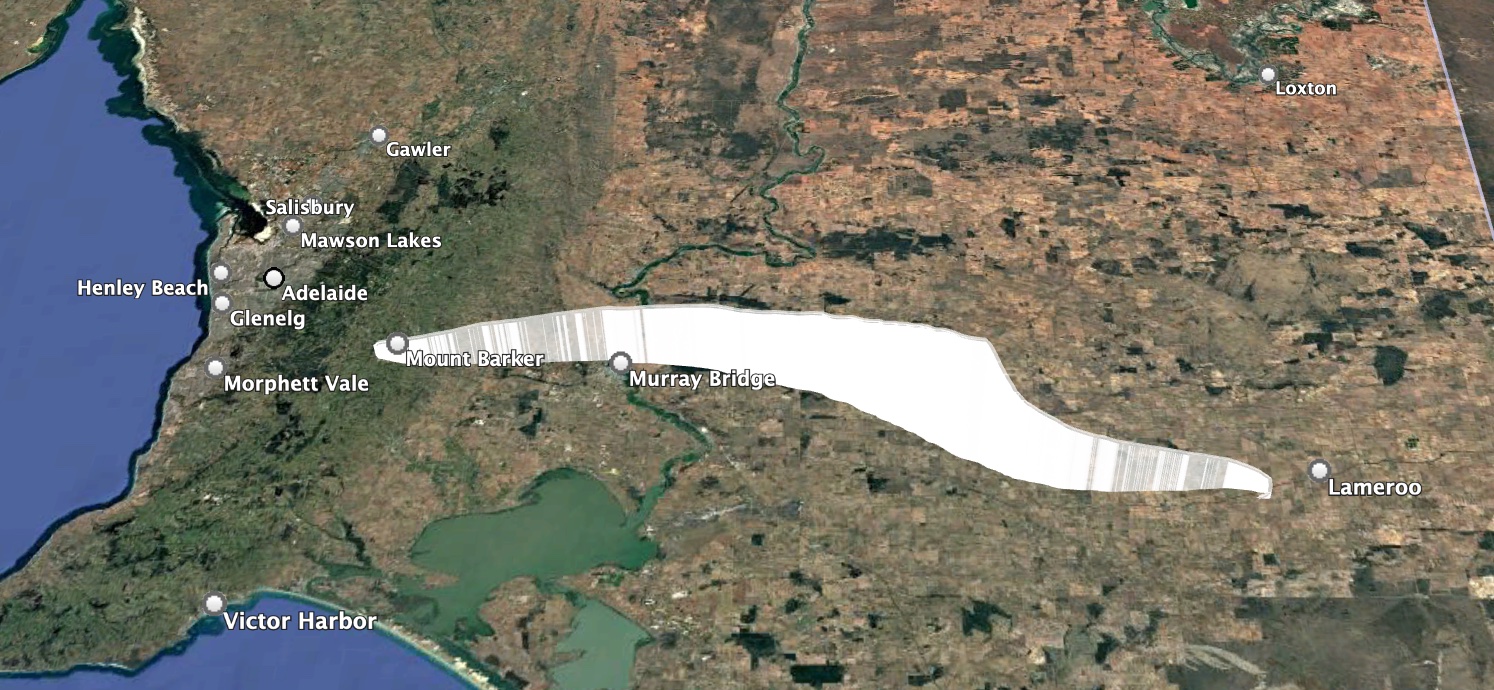
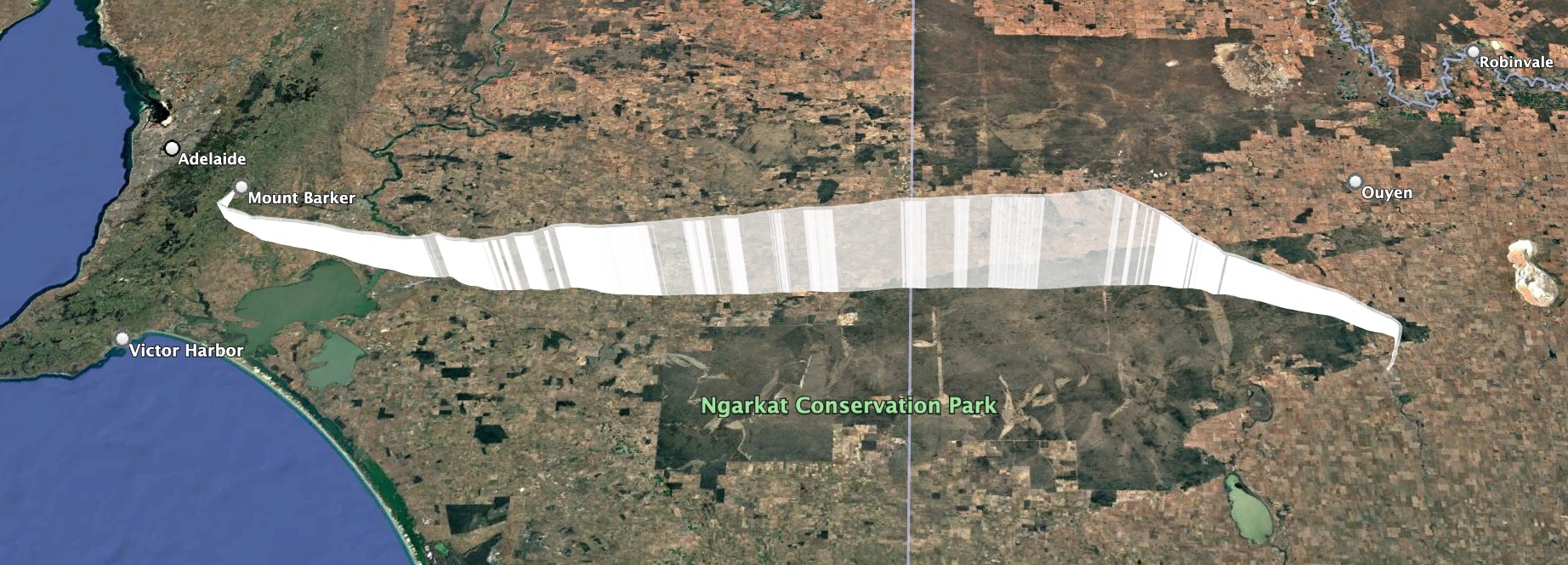
The payload on this flight was a single Vaisala RS41-SGE radiosonde, reprogrammed with the RS41ng open-source firmware. A Hwoyee 200g balloon was used, with a slow ascent rate targeting around 23-34km burst altitude – we ended up achieving a burst of 28.7km! The payload landed in a paddock approximately 15km to the north of Lameroo.

We had a great turnout of receivers on this flight, with 34 stations uploading telemetry for the new Horus Binary v3 mode. These were as follows:

AX5AA, BARC_4, Gum, VK3BQ, VK5AI, VK5AKK, VK5ALG, VK5APR, VK5ARG, VK5BL, VK5CV, VK5DSP, VK5GY, VK5HS/p, VK5HW, VK5KX, VK5LN, VK5NEX, VK5OCD, VK5OI, VK5PJ, VK5QI-9, VK5SFA/R, VK5ST, VK5ZAR, VK5ZM, VK5ZMD, VK5ZMK, VK5ZTS, VK5RK, VK5IS, webhorus-jms, webhorus-jyyrhv, webhorus-p9zuu5

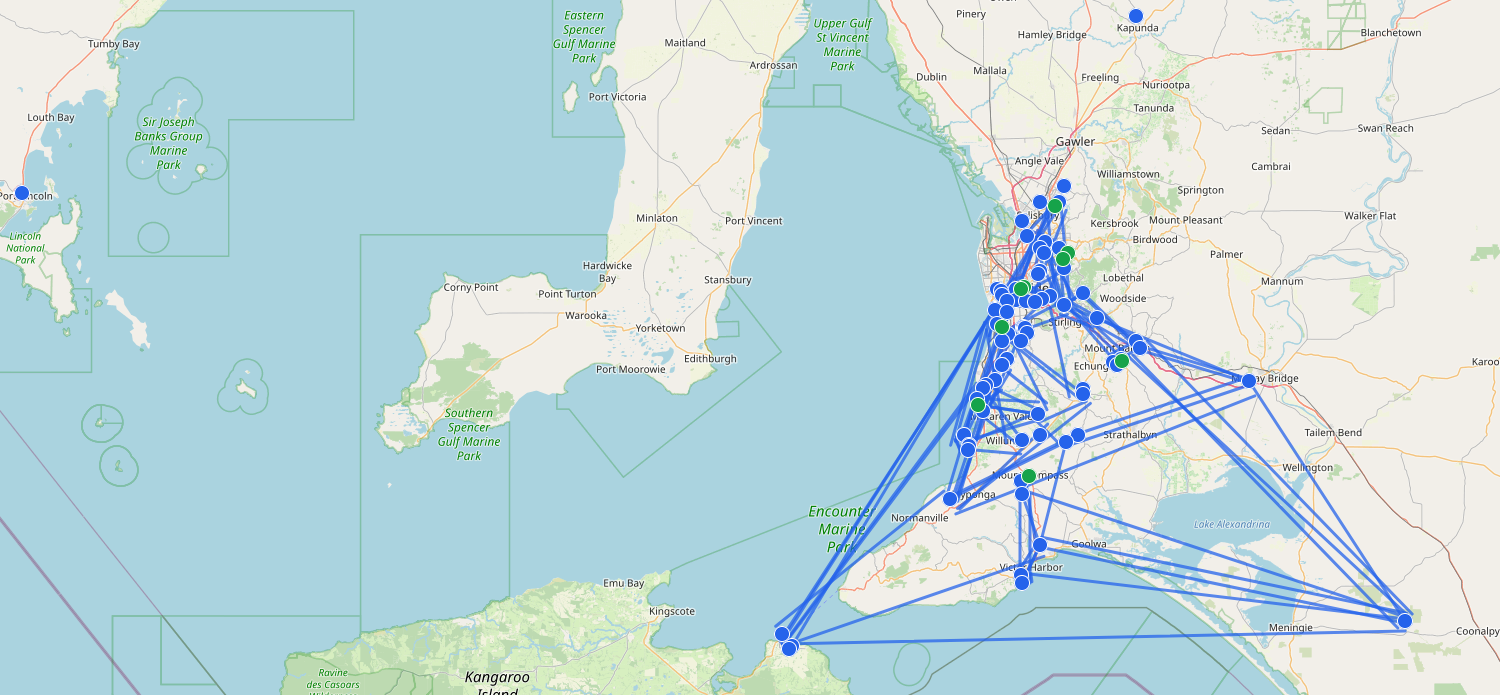
Horus 70A Receiving Stations (Green dots)

The longest received distance was to Andrew VK3BQ with a range of 529km, and the last packet was received by Ivan VK5HS at 113km range, both excellent efforts!

A dashboard for the flight is available by clicking here.

Horus 70B – 29th March 2026

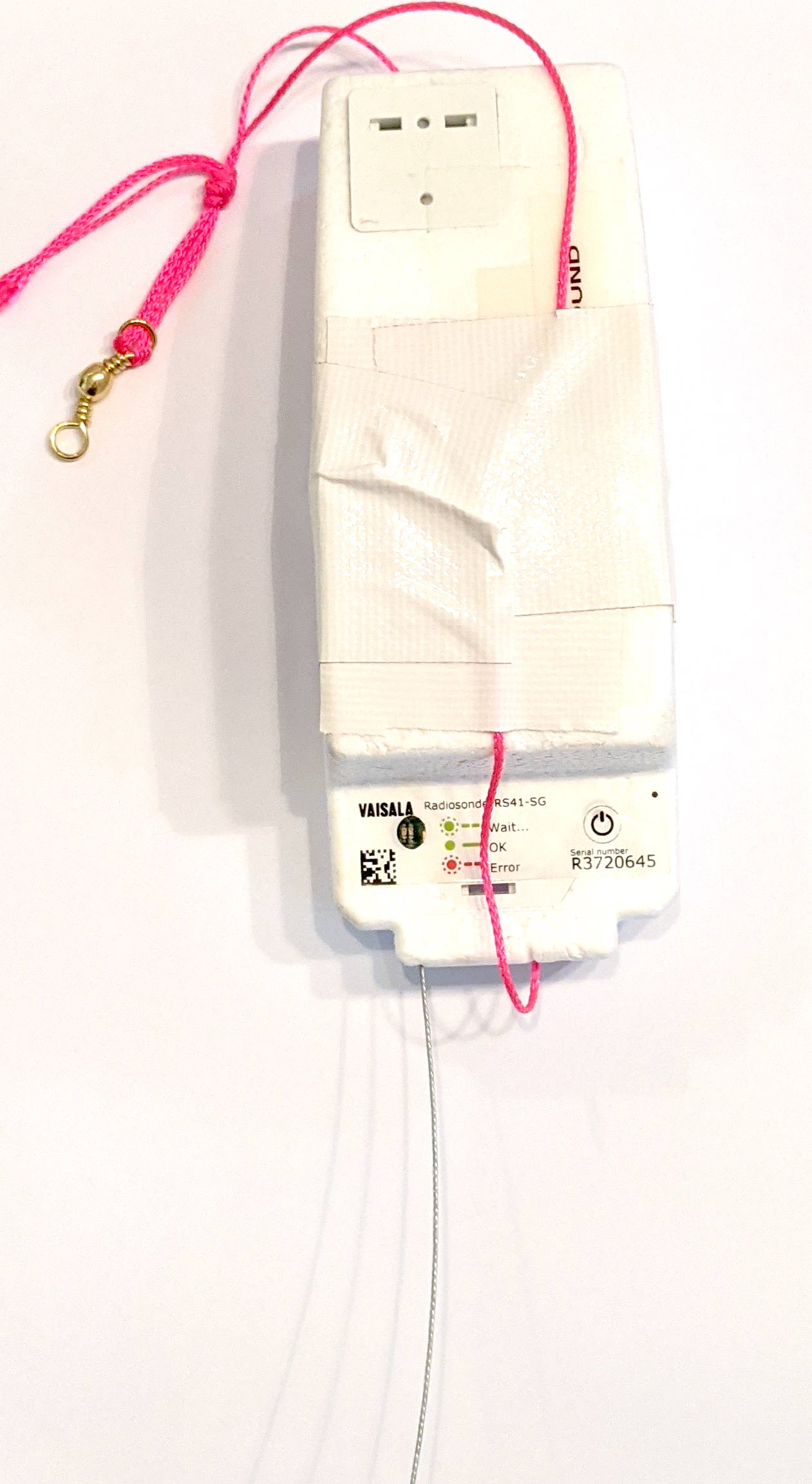
Another calm launch day! This time around we used a smaller 100g balloon, targeting about 20km altitude. The payload was also a re-programmed Vaisala RS41 radiosonde, however this time it was modified to run off a single AA battery. This reduces the runtime to < 8 hours, but also reduces the payload mass to less than 40 grams!

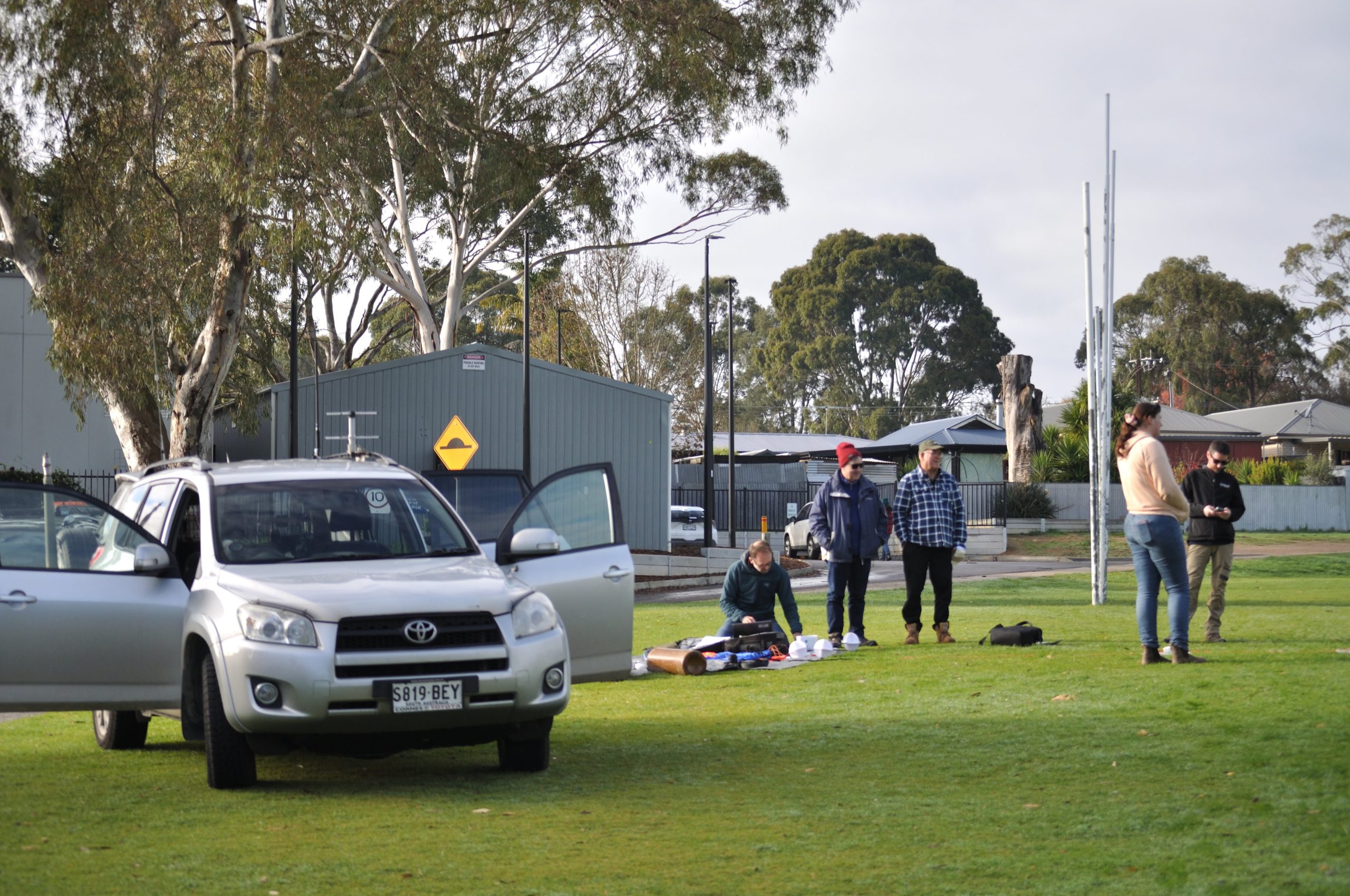
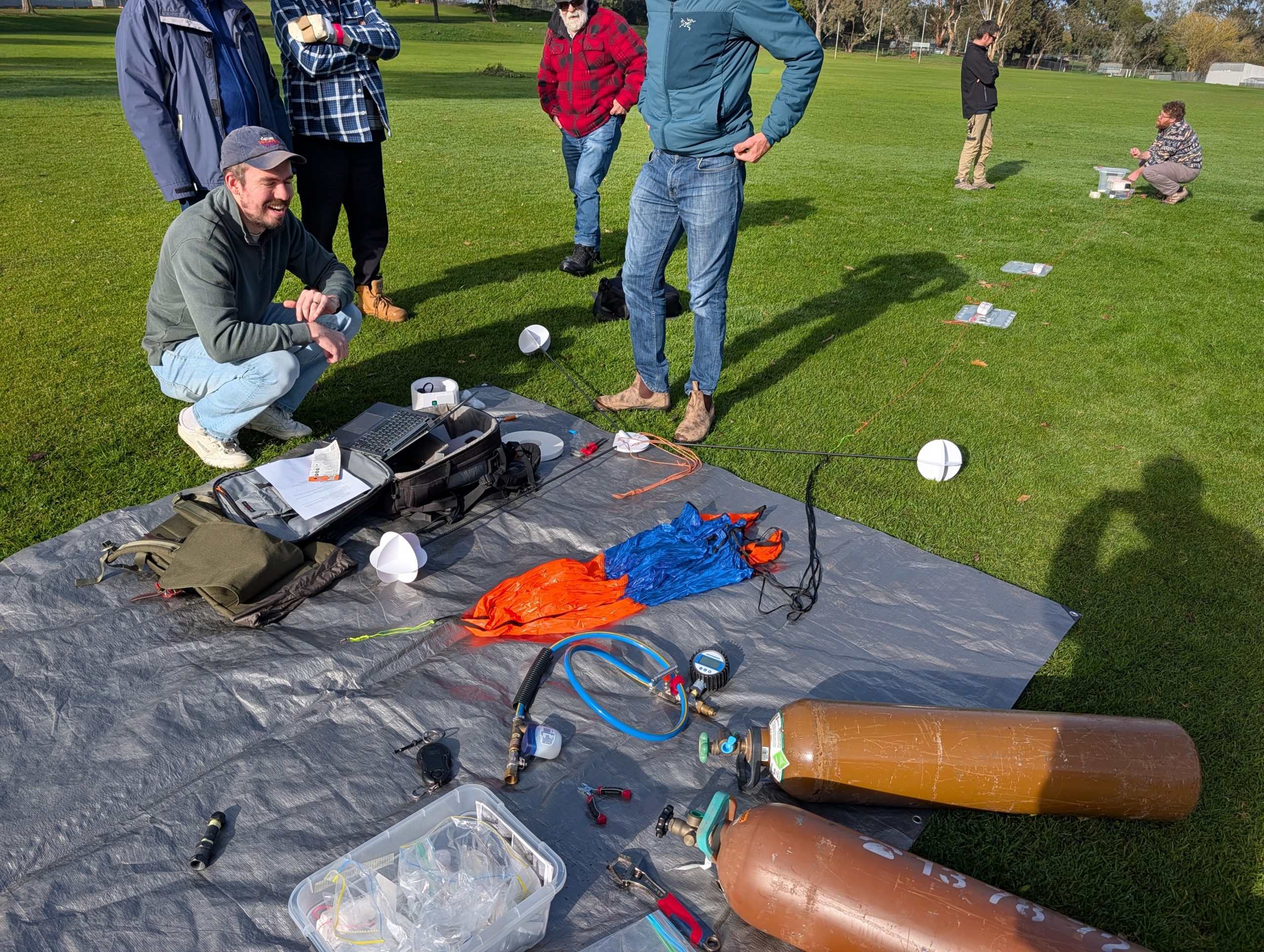
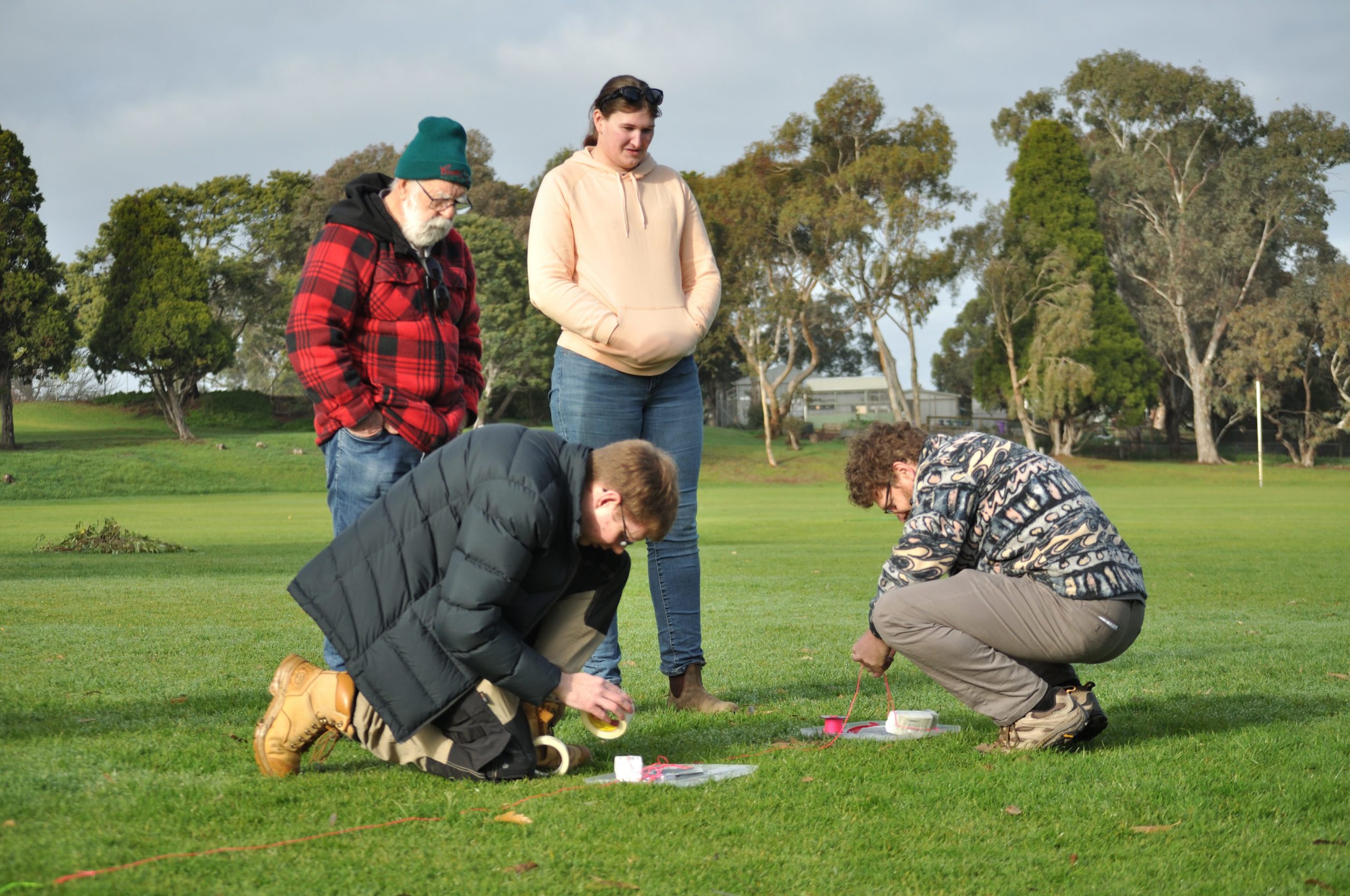
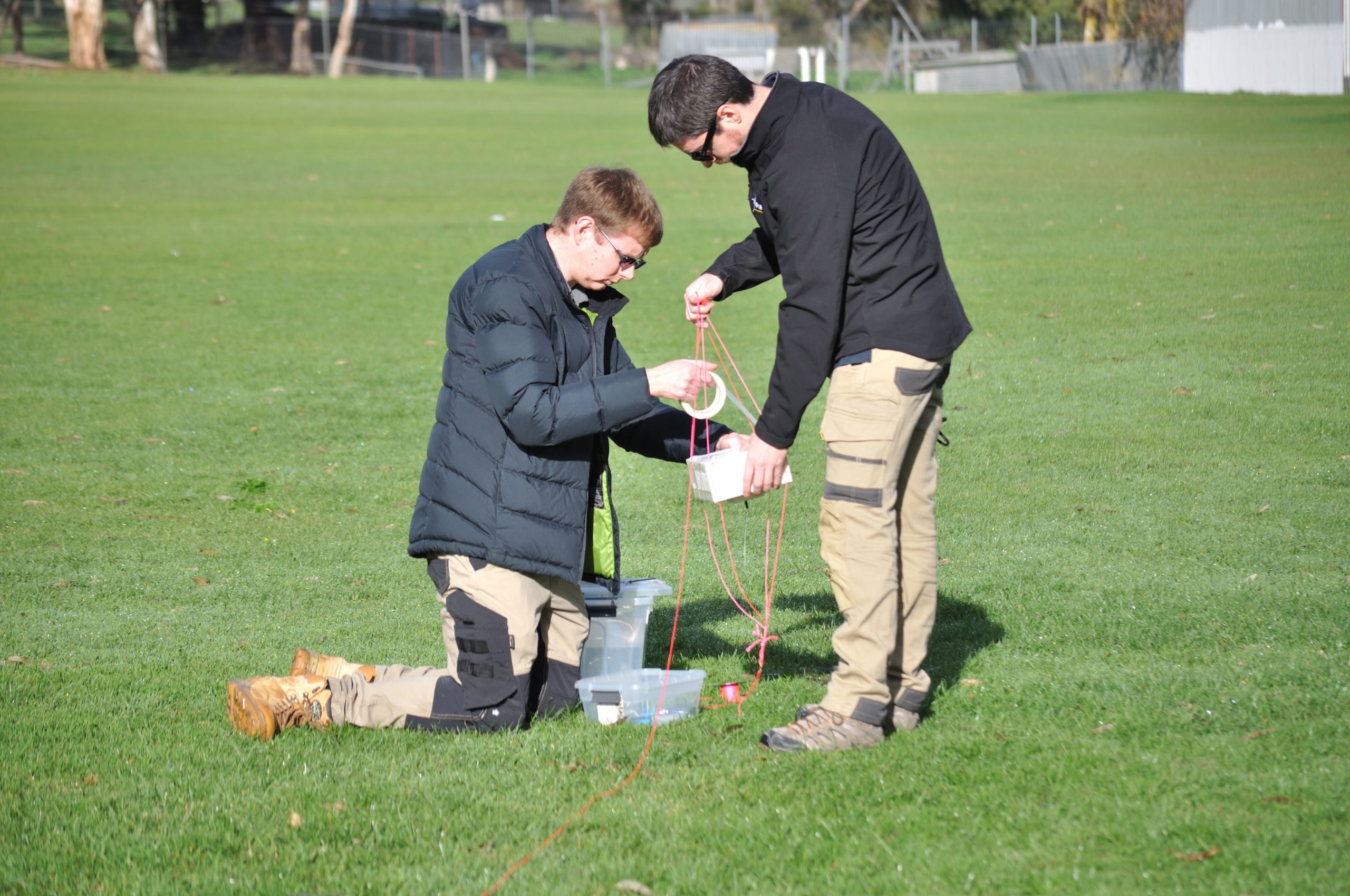
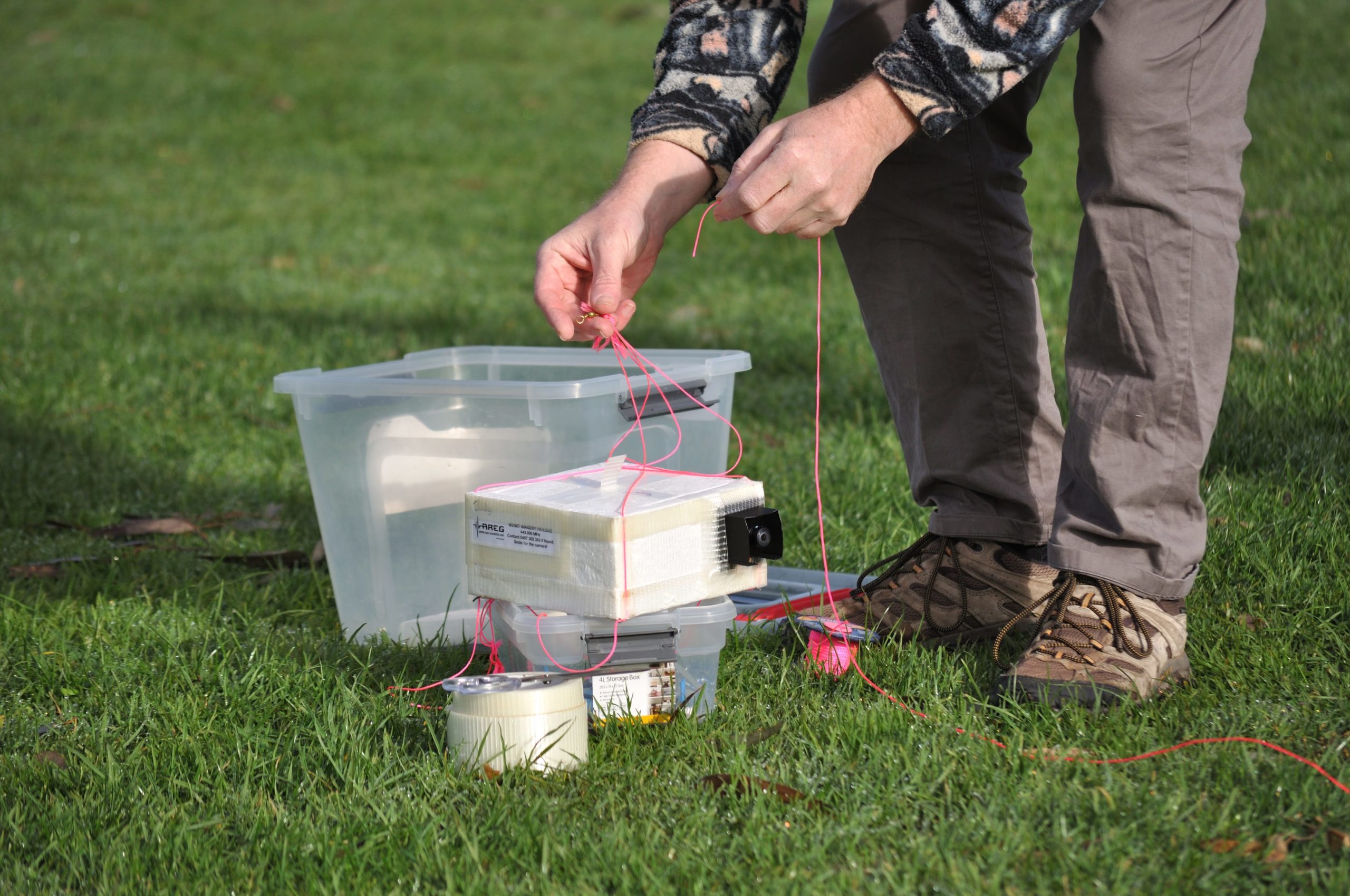
Horus 70B just before release.

We ended up with a slow flight tracking north from the Mt Barker launch site, ascending to 23825m before bursting and landing north of Kersbrook.

Screengrab of the Sondehub-Amateur tracker during the flight, showing many receiving stations

We had a great round up of receiving stations, with 34 unique callsigns contributing to the tracking effort! It was also great to see a few new callsigns on the list compare to the previous flight. The full list of receiving stations is as follows:

BARC_RRR, Gum, MILEEND, VK5AKK-H, VK5AKK-V, VK5ALG, VK5ALG Mac ,VK5APR, VK5ARG, VK5BL, VK5CV, VK5DSP, VK5FLY, VK5GA, VK5HS/p, VK5HW, VK5KX, VK5LN, VK5NEX, VK5OCD, VK5OI, VK5QI-1, VK5QI-9, VK5ST, VK5ZAP, VK5ZBI, VK5ZM, VK5ZMD, VK5ZTS, VK5RK, vk5is, vk5st-991, vk5zts-1, webhorus-p9zuu5

The longest reception on this flight was by Michael VK5LN in Pt Lincoln, at a range of 285km – great work Michael!

A dashboard for this flight is available by clicking here.

Next Project Horus Launches

Thanks to everyone that updated their tracking software and received these launches! We’re now much more confident in being able to move to Horus Binary v3 telemetry on our upcoming flights – having tracking redundancy through the many home stations receiving our flights really helps in ensuring they can be safely tracked and recovered.

Our next launch is planned to occur on Sunday the 26th of April, with a backup date on Sunday the 3rd of May. We are also expecting to perform a launch in mid to late May as part of the LaunchBox program. More details on these launches should be release in the next few weeks!

AREG April 17th Meeting – Software Defined Radio for Radio Amateurs

Modern amateur radio is changing rapidly, and Software Defined Radio (SDR) is at the centre of that change. Many amateurs already own an SDR — or use one indirectly — but few have had the chance to understand how it actually works or why it feels so different from traditional radios.

This upcoming lecture will provide a plain‑language introduction to SDR, aimed specifically at amateur radio operators, not engineers or programmers.

Rather than focusing on mathematics or theory, the talk will explain SDR concepts using familiar radio ideas: receivers, mixers, filters, IF stages, and transmitters — and show how these functions are now being done in software instead of hardware.

Topics will include:

  • What “software defined” really means in a radio
  • Why SDRs can see so much spectrum at once
  • The role of analogue‑to‑digital converters and why bit‑depth matters
  • Why some SDRs are better at weak‑signal work than others
  • How modern SDRs replace IF strips with digital processing
  • What limits SDR transmit power and why filtering still matters
  • How SDRs are used by amateurs, researchers, and modern networks

The lecture will also touch on GNU Radio, the most widely used SDR software framework, explaining what it does and why it has become so important — without requiring any programming knowledge.

Whether you are:

  • Curious about SDR but unsure where to start
  • Using an SDR “black box” and want to understand what’s inside
  • Interested in digital modes, weak‑signal work, or experimentation
  • Wondering how modern radios differ from classic superhets

…this session is designed to demystify SDR and connect it back to the radio principles amateurs already know.

No prior SDR experience is required — just an interest in radio.


So when are where is this event? AREG meets at the Fulham Community Centre, off Phelps Court, in Fulham, Adelaide. Doors open at 7.00pm, Friday 17th April.

This month the meeting will begin with a short Special General Meeting to address a minor change to the group’s constitution, followed by the presentation which will likely start around 7.45pm.

For our regional members, the meeting will, as usual, also be interactively streamed via Zoom. If you are a regional amateur and are interested in finding out a little more about AREG, guest passes are available to our Zoom meetings on request. Please contact our secretary – via vk5arg@areg.org.au


Next Project Horus Launches – Horus Binary v3 Test & Tune Flights – Sunday 15th & 29th March

UPDATE: Thanks to everyone that received our first test & tune flight on the 15th of March! We had a great turnout of receivers, with 34 stations tuning in to the telemetry! We’ll be back for another one of these test & tune flights on Sunday the 29th of March, at the same launch time!

Project Horus will be performing their next high-altitude balloon launch on Sunday the 29th of March – aiming for a 10:30AM launch time on both Sundays.

These launches will be flying our new ‘Horus Binary v3’ tracking payloads, and are intended to give receiving stations more opportunities to get setup to decode this new mode before we switch to it on future launches!

These will be ‘fire-and-forget’ launches – no chase, no recovery – there is no need to set up portable receiver stations – see what you can receive from home!

To be able to receive the Horus Binary v3 telemetry on this flight you will need to update to the latest versions of our decoding software – more details below!

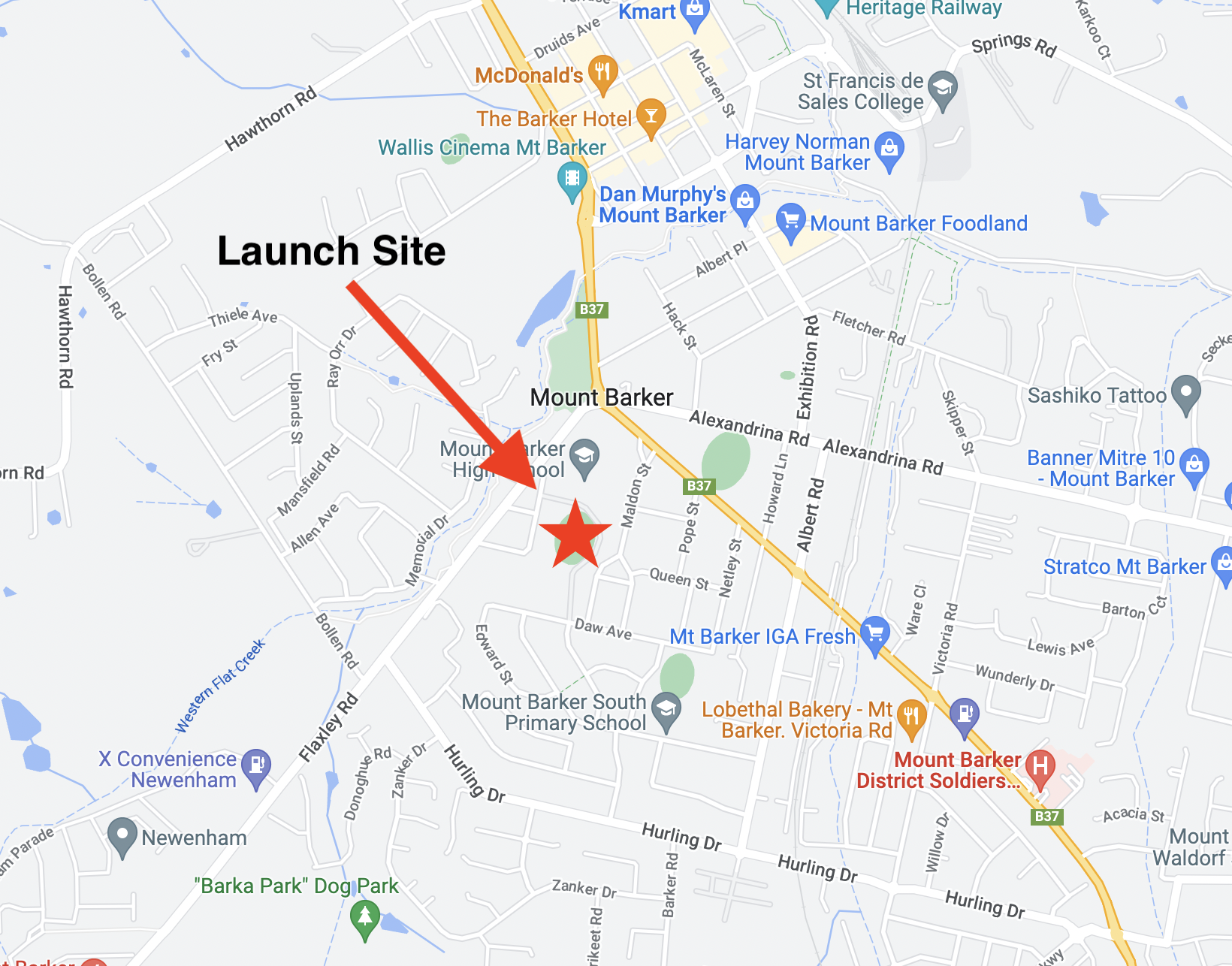
Both launches are currently planned to be performed from the Mt Barker High School Oval, which is accessible from Stephenson Street, Mt Barker.
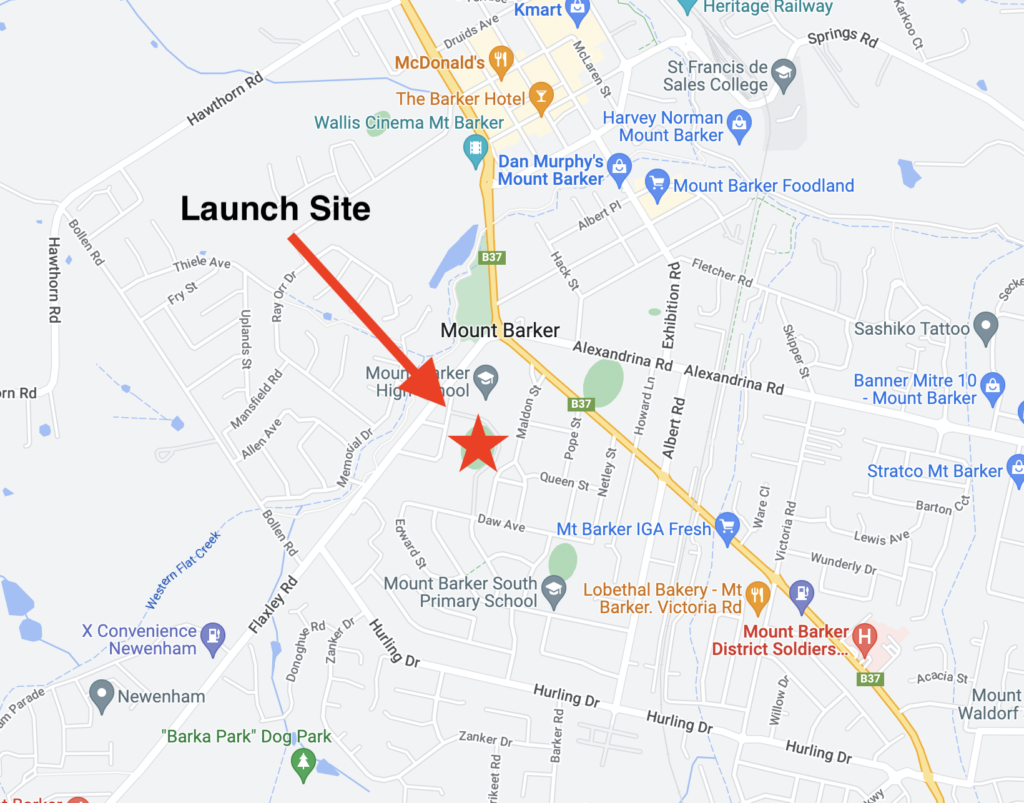
Mt Barker Launch Site

The launch time is expected to be 10:30AM, with launch crews arriving on-site around 10:00 AM. Please note that we are not intending to chase or recover these payloads!

TRACKING LINKS

Primary Telemetry – Horus Binary v3 – 434.200 MHz – “HORUS”
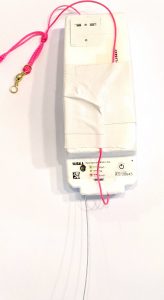
Reprogrammed RS41The primary tracking telemetry will be transmitted on 434.200 MHz using the new Horus Binary v3 4FSK data mode.

The v3 update adds much more flexibility in the telemetry format, giving payload developers the ability to add extra sensors and send much more data than was previously possible.

To receive telemetry, you’ll need either a SSB-capable 70cm receiver (think IC-7100/705/9700, FT-817, etc), or a SDR (e.g. RTLSDR or AirSpy), and some kind of 70cm antenna. Horus Binary is very robust, so it doesn’t take much antenna to receive this telemetry – a small vertical will work just fine!

Our decoding software is available for a range of platforms:

  • Windows / Mac – Horus-GUI – If you’re running Windows or a newer Mac, you can use our ‘Horus-GUI’ telemetry decoder software! Make sure you are on v0.6.0 or newer to decode the Horus Binary v3 telemetry. We have a detailed guide on setting this up, which is available by clicking here!
  • Windows / Mac / Linux / Android / iPhone – WebHorus – On almost any platform (including many mobile phones!) you can also decode the Horus Binary telemetry in a web browser using either audio input, or a RTLSDR (Android / Chrome only) by clicking this link! 
  • Raspberry Pi / Linux – If you have a spare RTLSDR and a Raspberry Pi (or other linux machine), you can set up a dedicated Horus Binary receiving station by following this guide.

Amateurs in the Adelaide and Central SA region are encouraged to get involved with the flight through receiving and uploading flight telemetry from our 70cm band tracking beacons. Every piece of telemetry data is valuable to the flight tracking and recovery teams so if you can help join the distributed receiver network to collect that data you will be making an important contribution to the project!

AREG January Foxhunt – a great day out!

The AREG January saturday foxhunt event was a great success with 4 groups participating in the foot hunt around the south Adelaide parkland wetlands . We had a couple of family teams out there as well. 6 low power 2m (144 MHz) beacons were scattered through the wetlands. All teams managed to find these within about 45 minutes which was a great effort.

One of the groups checking in that they found a fox transmitter

After the foot hunt, we took on the vehicle hunt challenge. Tony VK5AH and company took on the task of hiding the transmitters for this event across the NW suburbs of Adelaide. Three teams set out to find the foxes, two of which were on the 144 MHz band and one on the 439 MHz band. Tony set quite the challenge for us as we couldn’t hear any of the transmitters from the start.

After heading to high ground in North Adelaide, several of the teams caught a weak signal from one of the 144MHz beacons and we were then off north. That beacon was ultimately located near the Dry Creek rail yards. Next was 439 MHz, which took us across to the Port Adelaide Canoe club and finally, we caught a signal from the 2nd 144MHz beacon which lead us to the eastern boundary of the Adelaide Airport.

Fox Beacon 1 – 144 MHz

Fox 2 – 439 MHz hidden inside the polypipe

Fox 3 – buried under brush in a reserve on the east side of Adelaide Airport

The equipment used varies by team. Mark VK5QI has developed a system based around a Kraken Synchronous SDR Time of arrival system which allows his team to track while driving. Most of the others need to stop and take bearings along the way.
VK5QI team with a Kraken TOA Direction Finding System

Here you can see the route taken by the VK5QI time finding these three rather low powered fox transmitters spreadout across Adelaide.

Thanks to everyone who took part. This new Saturday format is something we will consider going forward for foxhunting throughout 2026!

Horus 69 Flight Report

Project Horus’s 69’th flight was held on the 18th of January 2026, launching from our usual launch site, the Mt Barker High School oval. This flight was a test of a few new and experimental payloads, including our first flight of the new ‘Horus Binary v3’ tracking telemetry mode.

The launch was an easy one, with only light winds at the launch site. It was great to see a few new faces along to see what a high-altitude balloon launch is all about!

The predicted flight path allowed for a fairly relaxed chase, so the chase teams headed off to Tailem Bend for some lunch while waiting for the balloon rise closer to its expected burst altitude. Chasing the flight were Mark VK5QI. Will VK5AHV, Autumn VK5CLD, and Peter VK5APR. We also had Peter VK5KX and Matt VK5ZM set up near Palmer tracking the flight.

The balloon ended up bursting at 33.831km altitude, a good 3 km higher than expected! The payloads descended to a landing approximately 20km north-east of Tailem Bend, just off the Karoonda highway. A quick chat to the landowner, and the chase teams were able to drive right up to the landing spot! A big thanks to Wayne Gregory for being so helpful!

Payloads, recovered!

Horus 69 Flight Statistics

Launch Date:2026-01-17T23:26:31Z
Landing Date:2026-01-18T02:04:16Z
Launch Site:-35.07579, 138.85710
Landing Site:-35.13652, 139.62709
Distance Travelled:70 km
Maximum Altitude:33831 m

Horus 69 Flight Path

Horus v3 Payload – HORUS-V3

This was the first Australian flight of the Horus Binary v3 telemetry mode, the latest version of the Horus Binary high-altitude balloon flight tracking system.

The following stations received the Horus v3 telemetry on this flight: BARC_4, VK3APJ, VK5ARG, VK5GA, VK5GA-2, VK5GY, VK5KX-9, VK5KX-i5, VK5QI-1, VK5QI-9, VK5SFA/R, VK5ST-5, VK5ZM

A dashboard showing reception statistics for this payload are here: https://grafana.v2.sondehub.org/goto/BBkF1dIvR?orgId=1

Thanks to everyone that updated their decoding software and had a go at decoding this new format! Based on the success of this flight (and many other flights overseas), Horus v3 will become the primary tracking mode used on future Project Horus flights.

Horus v2 Payload – HORUS-V2

While we will be switching to Horus v3 in the future, this flight still used a Horus v2 payload as the primary tracking payload, and we thank everyone that helped out with tracking on this flight:

BARC_4, VK3APJ, VK3BQ, VK5AKK, VK5AKK-1, VK5ARG, VK5BL, VK5BRL, VK5BTN, VK5CLD-9, VK5CV, VK5DJ, VK5GA, VK5HW, VK5KX-9, VK5LN, VK5MAS, VK5NEX, VK5OCD, VK5QI-9, VK5RA, VK5RM, VK5ST-5, VK5TRM, VK5ZAR, VK5ZM, VK5ZMD, VK5ZRL, VK5ZRL-2, VK5ZRL/2, vk5is

A dashboard for the Horus v2 payload is available here: https://grafana.v2.sondehub.org/goto/szhKJOSvR?orgId=1

Wenet Imagery Payload

The imagery payload on this flight was another experiment with the PiCam v3 autofocus camera, using information gained from flights in the United States that were successful in taking good quality (and importantly, in focus!) imagery. Thanks to the following stations that received imagery from this payload:

  • VK3APJ: 8410 packets (2.05 MB)
  • VK5QI-9: 186131 packets (45.44 MB)
  • VK5KX-9: 238707 packets (58.28 MB)
  • VK5CLD-9: 64276 packets (15.69 MB)
  • VK5IS: 51247 packets (12.51 MB)

A dashboard for the Wenet payload is available here: https://grafana.v2.sondehub.org/goto/A80OJOIvg?orgId=1

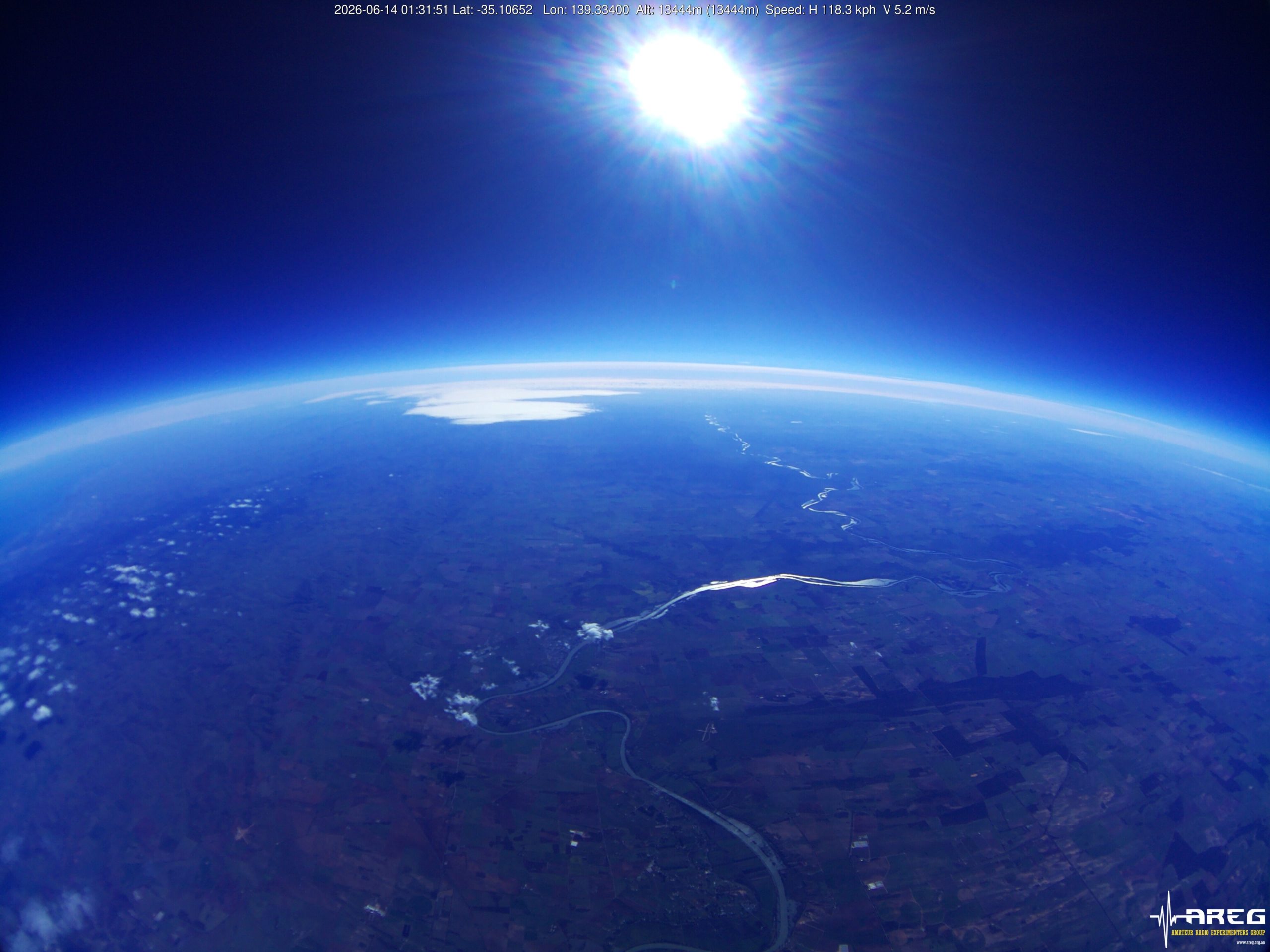
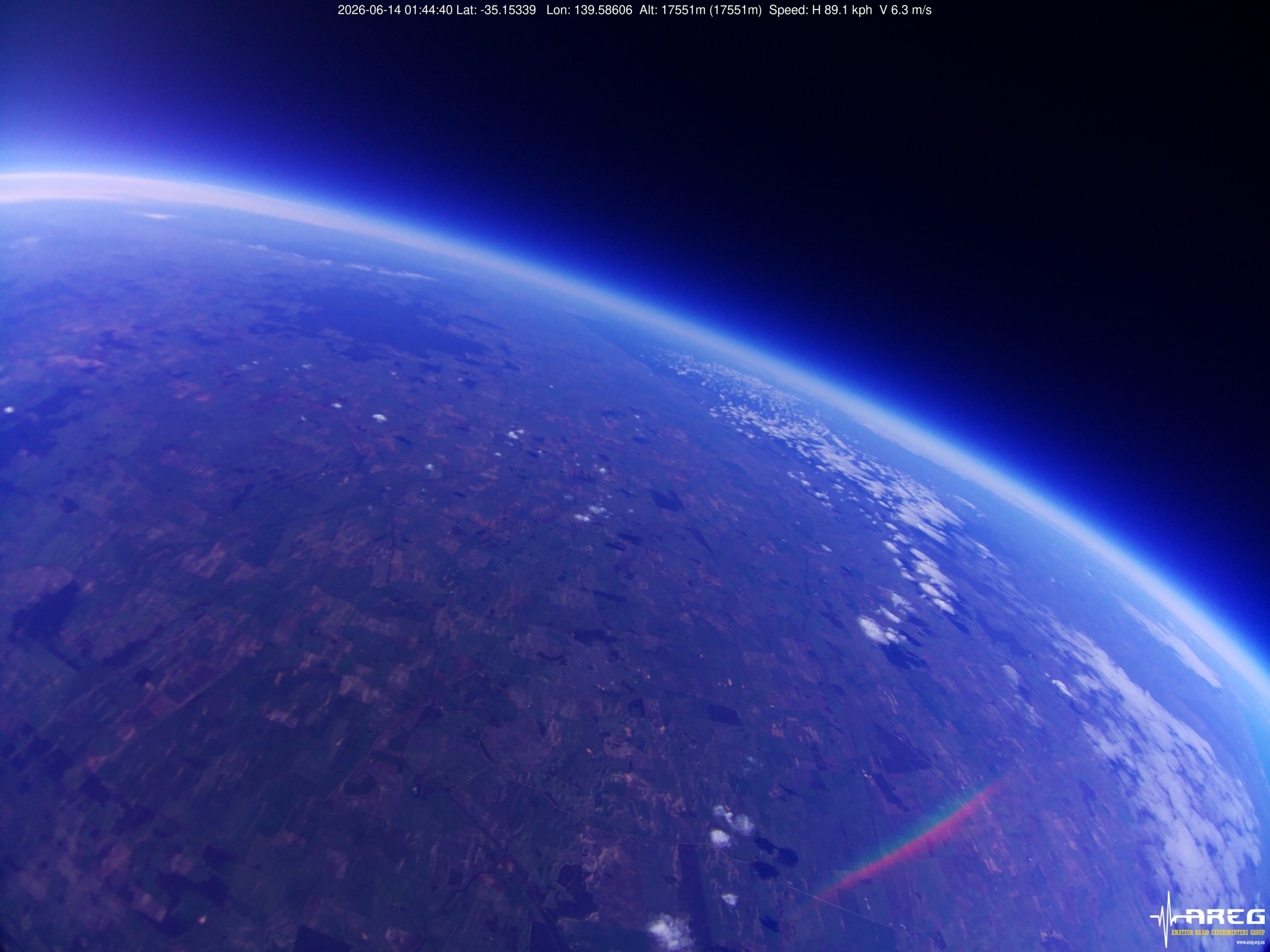
Sadly, the dynamics of the payloads on this flight (swinging + spinning) meant that the autofocus algorithm just couldn’t keep up, again resulting in blurry imagery. This is likely the final nail in the coffin for this camera unless we can work out a way of stabilising the payload without adding lots of extra mass. Work has now started on updating the ‘PiCam HQ’ payload (which last flew on Horus 60) up to the Wenet v2 standard, and this will likely fly on the next full launch.

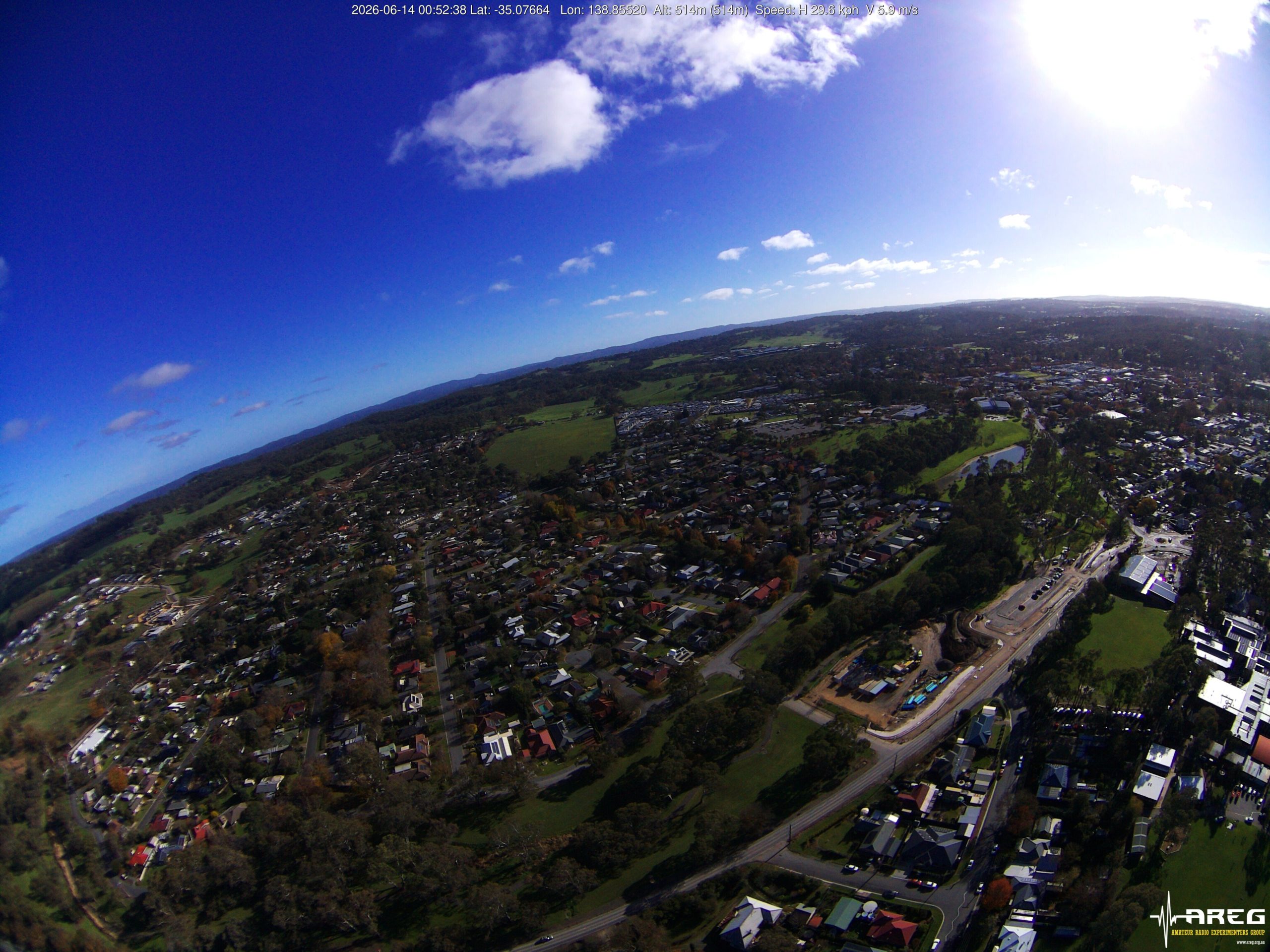
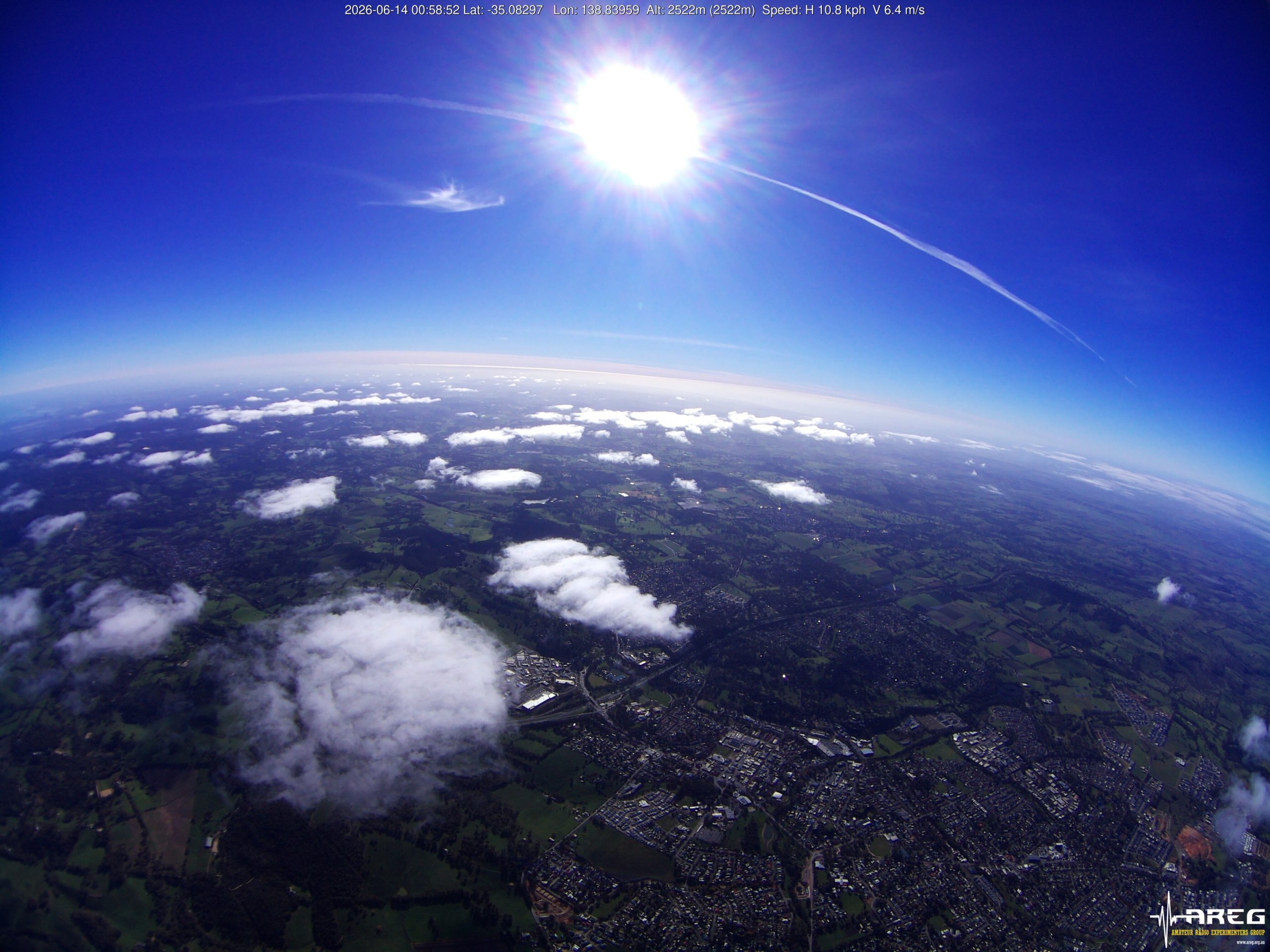
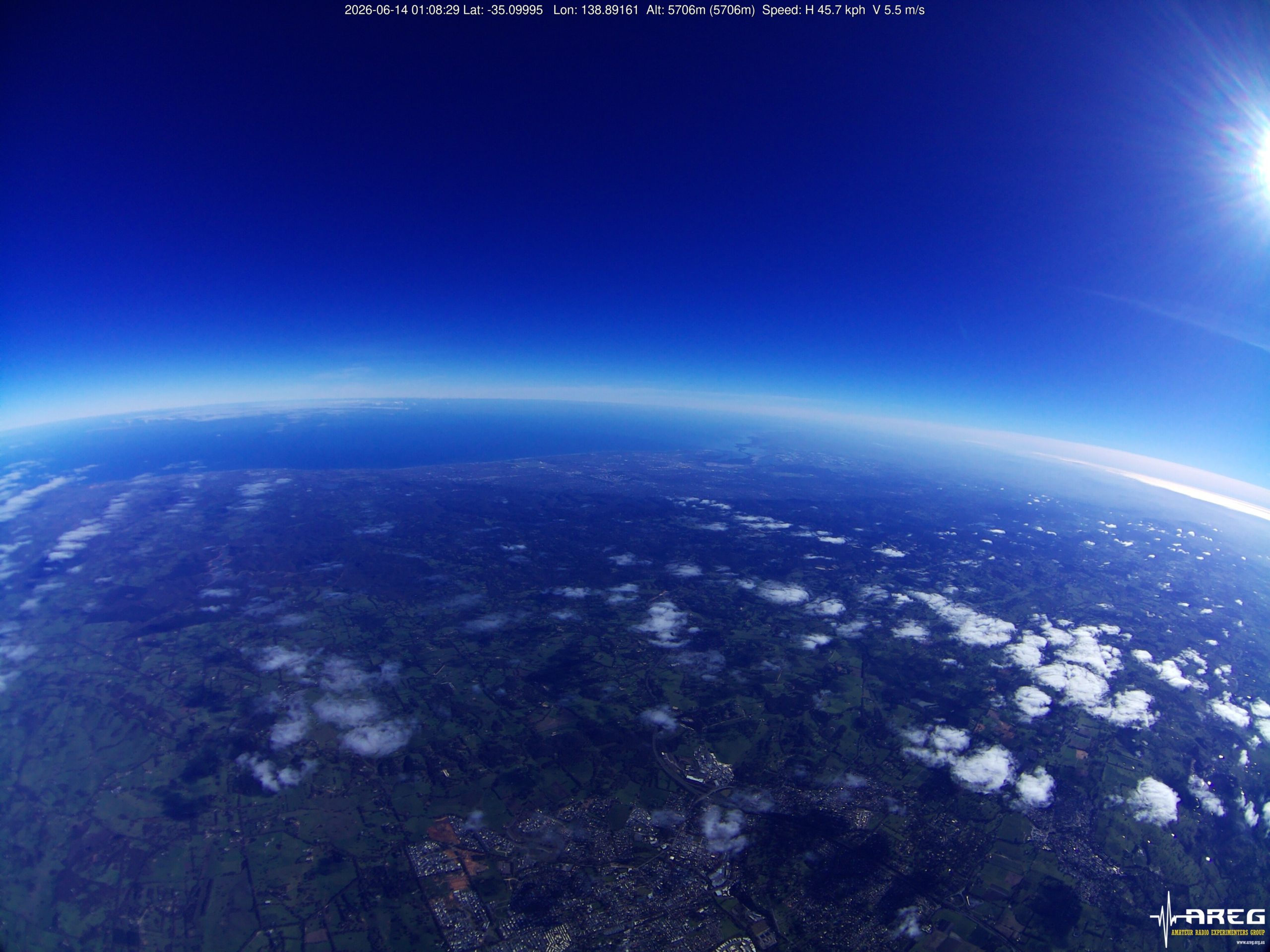
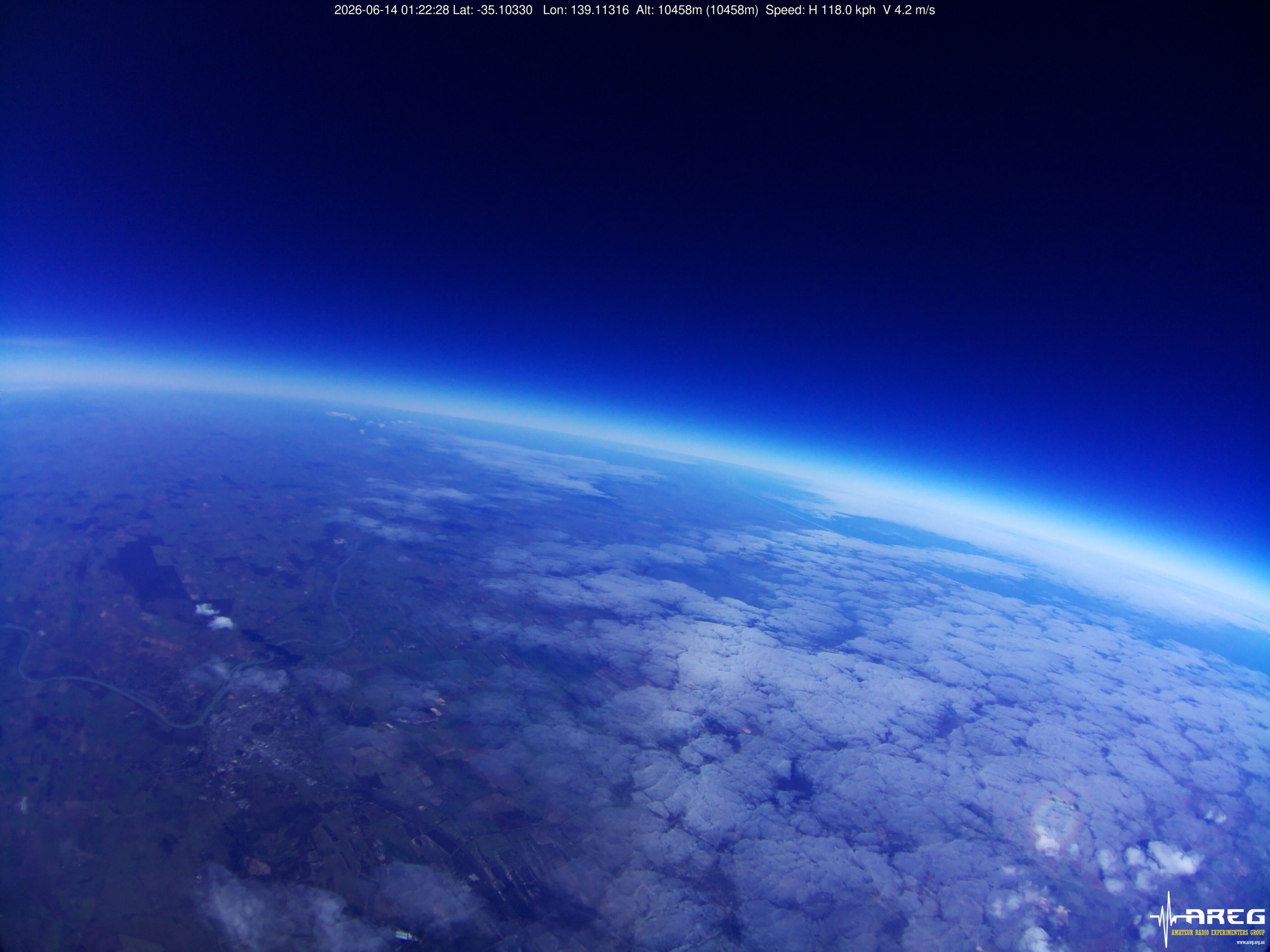
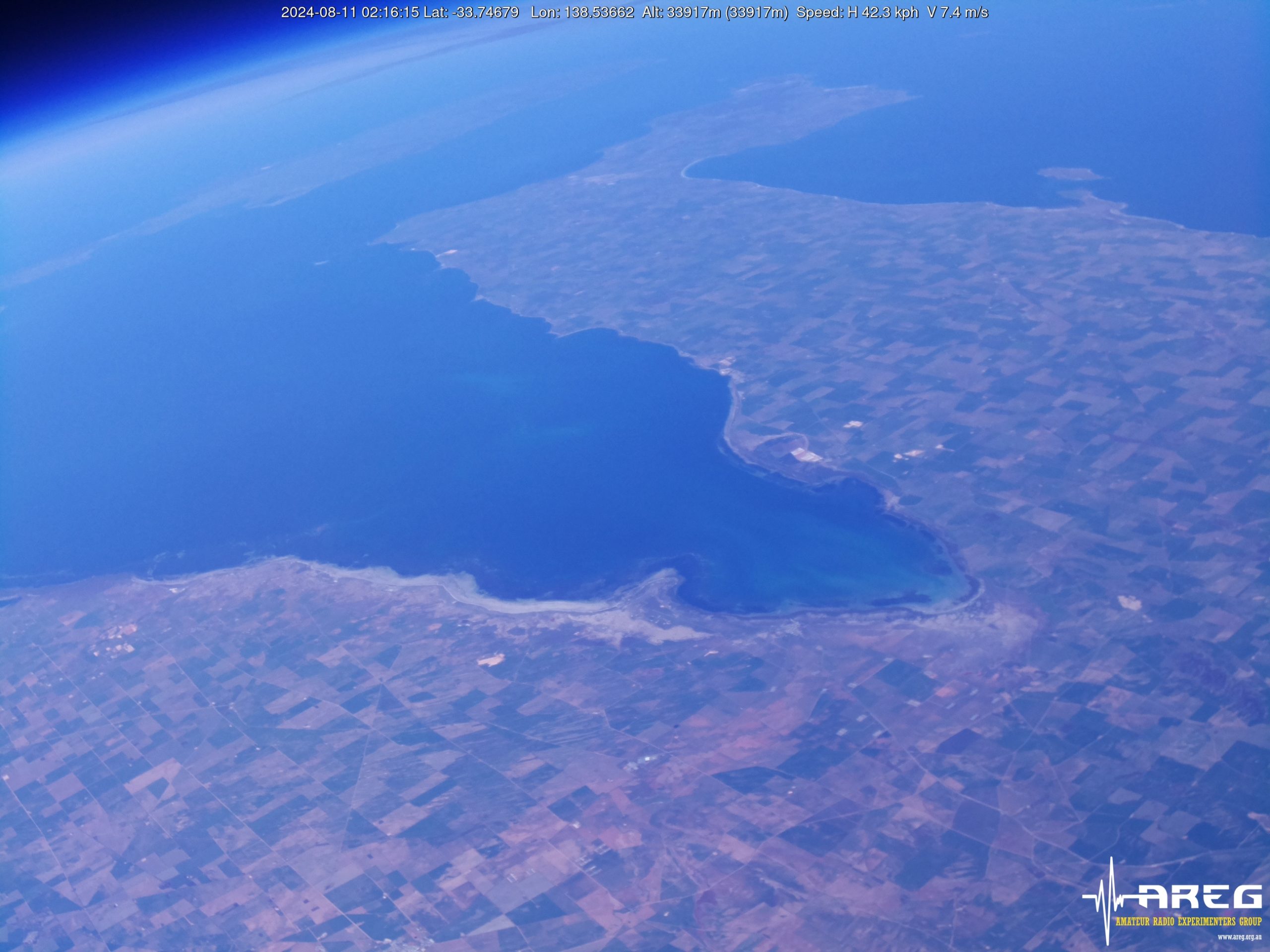
A selection of photos from the payload are shown below:

Next Launch

Our next ‘full size’ launch will likely not be until the weather cools down again in March, and hopefully we’ll be able to finally get the Cross-band repeater in the air. Before then there may be some small launches with just Horus Binary v3 payloads, to assist receiving stations in getting their software updated and tested.

Again, thanks to everyone that participated in the launch, and we hope to see you on the map on our next flight!


REPORT: AREG’s Oceania DX Contest Event 2025 – VL5X on the air! + Winner Multi-Multi OC division

2025 marked the year that the Amateur Radio Experimenters Group returned to the Oceania DX Contest after taking several years break. The aim was to put VL5X, the club contest call sign back on the air, and give our newer members a chance to participate in a world class contest. As the group does not have current access to a permanent contest grade station, our efforts revolved around building a portable station that was as competitive as possible yet achievable with only a small window for construction.

Planning & Site Selection

The event planning began back in March, when we started looking for suitable sites. Multiple factors played a part, including accessibility, weather destruction risks, operating environment and HF propagation performance. The weather featured highly in these considerations, given the destruction of the station that occurred back in 2022 when a severe storm front blew over the site mid contest, destroying several antennas in the process. The ability to operate multiple 400W transmitting stations in close proximity was also critical to the success, as we were planning a MULTI-MULTI entry – the aim of which being to give as many operating opportunities to as many members as we could during the contest.

We considered various sites and how they would perform from a terrain and antenna height perspective.

We also studied propagation charts so we could plan which bands we should be looking at and when. We aimed to enter the contest as well equipped as we could.

Final Location

Our final location was chosen because it could achieve our propagation objectives, as well as comfortably housing the contest crew. One of our members owns a home atop Willunga Hill, which in the end is where we chose to play!

Equipment Plan

Antennas & Filters/Combiners

80m Band 1/4 wave vertical DK9IP Design – mounted on an 18m Spiderbeam pole

40m Band 4-square Phased Array – designed by Oly VK5XDX

20-10m Portable HexBeam – MW0JZE design on a 10m Spiderbeam Aluminium Tower

20-10m Spiderbeam (3el on 20/15m and 4el on 10m) on a 10m Spiderbeam HD Aluminium Mast

Our secret weapon was our set of VA6AM Filter Combiners for 20-10m which allowed us to run 3 stations on the one antenna.

VA6AM High Power Bandpass Filter / Combiner set

The Team

None of this gear achieves much without an operator team. We had a great turnout from the membership, with 13 operators taking turns running the station for the 24hrs of the contest. A huge thanks to VK5AKH, VK5CIA, VK5EDY, VK5FR, VK5GLD, VK5GR, VK5IR, VK5KT, VK5MN, VK5QI, VK5XDX, VK5ZM and VK5ZQV. We also had construction help additionally from VK5SFA, and site support thanks to VK5ABG.

The Result

So what did we achieve? From AREG’s perspective, we achieved our best ever score in the OCDX contest since we first participated in  2012. Our raw score was over 1.9 million points. This was despite what turned into some of the worst SSB contesting ionospheric conditions we have ever encountered. Much of Sunday’s daylight hours were lost due to extremely high absorption, leaving us calling often into dead bands for only 1-2 QSOs an hour. Its a credit to the team’s determination and perseverance to have scored so well.

In the end, the effort was worthwhile, with VL5X victorious in the Multi-Multi category for 2025. We just managed to hold off  the team from T32AZ on Kiribati to retain first place in our category this year even after count-backs for scoring errors. A very happy outcome for our return to this event after a 3 year hiatus.

Thanks must go to the entire team who was involved in this activity. It was great to see so many AREG members get involved in what was a really great fun weekend!

AREG Adelaide Foxhunt Events: Saturday Jan 31st at 2pm

UPDATE: The next AREG foxhunt event will now be held on Saturday January 31st starting at 2.00pm. The date change is due to the weather forecast predicting 40+ deg Celcius on the original date of Saturday 24th.

Fox hunting, or Amateur Radio Direction Finding as it is more properly known, is an event where radio amateurs gather together to track down the location of a hidden transmitter using radio direction finding techniques. Foxhunts can take several forms, including on foot and from a vehicle over a wider area.

For this event, we will cater for both kinds of activity – with a 5 transmitter foot based hunt firstly held around the wetlands in the Adelaide South Parklands, followed by a three stage vehicle hunt across metropolitan Adelaide.

The event is open to everyone. For those without vehicle based equipment, you can still come and try some on foot hunting around the Adelaide South Park Lands before the multi-leg metropolitan hunt gets underway (we will have some equipment available to borrow for this part of the event).

While the activity is running, we will be listening and liaising on the linked repeater system via either the CBD 438.025 MHz or Summertown 439.900 MHz repeaters. It is intended to wrap up hunting activities by ~5.30pm and then pick somewhere close to the final fox locations to gather for dinner.

For more information email vk5arg@areg.org.au.