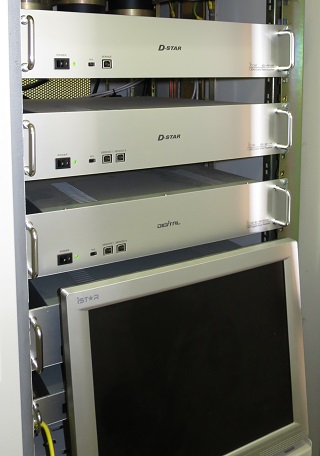
In November 2014, the AREG took over over the full maintenance and financial support the VK5RWN D-Star repeater system in Adelaide after it was originally co-sponsored by the WIA. Since then, AREG has been working to reduce the operating costs of providing this service to the Adelaide amateur radio community.
Currently VK5RWN is the single largest operating cost the AREG currently has on its budget (the power bill alone is ~$600/year). Insurance, license fees, maintenance and rent nudge this figure closer to $1000/year.
At this stage, the AREG committee has agreed that the club has sufficient reserves to be able to support the system until the end of June 2016, at which time the system will again be reviewed. In order to maintain it beyond this time, the AREG really needs the registered DSTAR users to offer their ongoing financial support. As such, the club is now actively seeking yearly donations or preferably more of the D*STAR user community to become members of AREG.
If you are a registered user of this system then please consider joining AREG and throwing your support behind it’s continued operation. Alternatively, you can also consider making a yearly donation. [paypal-donation purpose=”DSTAR Repeater Support” reference=”DSTAR”]
AREG has not been sitting idle in trying to find ways to keep the system running. So far, the following strategies have been implemented:
The ADSL Internet link and associated phone line have been replaced with a microwave system and donated internet bandwidth from a club member (This was the single biggest expense to running the system).
The system power supplies were replaced with more efficient switchmode ones
These changes yielded an operating cost reduction of around $1000/year.
The next areas being tackled include:
likely closure of the 1299.7MHz 128kbit/s data port (which records show hasn’t been accessed since being commissioned)
review whether the 1273.7MHz port remains on air considering it’s very low utilization.
replace the current PC with one that consumes a LOT less power
These changes will occur over the next 6 months, and will go someway to overcoming the operational costs of the site. None the less, it will still remain the most expensive to run site on AREG’s books.
Well, that about ends our FreeDV experiments for today. It has been great to see stations across VK and the world come and try this new mode. It was disappointing that the ionosphere ‘flamed out’ when it did but this is not going to be the last time we rally FreeDV users to come together and have a go, so if you missed out making a contact today, stay tuned for the next event.
We would like to thank all stations that took part or listened in and hope to see you all next time!
Regards, The team from the Amateur Radio Experimenters Group!
3:30pm – Now beaming LP Europe on 14236kHz
We are now attempting contact with Europe long path using FreeDV 700B. OE3GBB is reporting 70% copy and S4-5 – unfortunately we cant hear his responses as we have S9 noise here. Still, it is impressive that we are being heard!
Update: we did achieve contact with OE3GBB using a remote receiving station!
2:00pm – back from lunch and working some locals
40m is working into VK2 this afternoon on FreeDV 700B mode with contacts to VK2KDK and partial contacts to VK1KV. We will continue to have VK100ANZAC calling CQ beaming east this afternoon on 40m.
11:45am – all quiet – unfortunately
Well, our attempt here in Australia at getting the VK100ANZAC callsign out on freeDV is not going real well. The ionosphere coupled with local power line noise (which has sprung up today) have combined to make 40m and 20m very quiet (or should I say very noisy) indeed. We are still calling CQ with the keyer on 40m (7175) in 700B mode and are intermittently calling/listening on 20m (14236) in 1600 mode, but we are not working many stations.
We will press on in the hope conditions improve as the day progresses.
11:00am – worked VK3DBP on 40m
One station that has been actively working us is VK3DBP who has made several contacts including one around 11am ACST on 40m. Congrats for your enthusiasm for this new digital HF voice mode!
So, what’s this700B mode you are talking about?
On August 25th, David VK5DGR released a new version of the FreeDV software labelled version 1.0.0. This new low 700bps bitrate mode has better signal to noise characteristics than the original 1600bps mode but lower quality audio.
You can get the latest version and give 700B mode a try from these links:
Great signal now heard from VK2DGH on 700B mode. Also getting good SNR reports from VK1MTS (Rx Only) of 10dB SNR to VK100ANZAC – thanks for listening and joining in!
09:47am – contacts into VK4
VK4CAG has just had a great contact with VK100ANZAC on FreeDV 1600 – SNR 15dB – excellent signal into Mannum (SA) today and VK1MTS reported decoding VK4CAG on IRC.
Sunday 13th: 09:35am ACST – QSY 40m 7175kHz
80m NVIS into Adelaide was fading so we have moved to 40m in anticipation of the end of the WIA broadcasts around the nation. Look for VK100ANZAC calling CQ on that channel.
Sunday 13th: 09:00am ACST
Now also worked VK5APR on 80m. Also getting good reports from Michael VK5ZEA in Port Lincoln and Jeff VK5IU in Murray Bridge
Working VK5KDK on FreeDV 700B on 80m 3634.5kHz
Sunday 13th: 8:30am ACST – Experiments on 80m
This morning we are trying our luck with 80m. Currently VK100ANZAC is calling on 3.634.5 to give the local VK5 stations an opportunity. We have worked VK5IU on 700B mode and are continuing to call CQ.
Michael VK5ZEA has been hearing us in Port Lincoln.
We will be on 40m, a little later in the morning right after the Sunday morning WIA broadcast.
20m activity has been attempted USA longpath but no joy and nothing heard. The ionosphere is still not cooperating.
The operation continues…..
Sunday 13th: Look out for VK100ANZAC FreeDV on 80m as well
Following the relatively poor HF conditions we have set up one of the FreeDV VK100ANZAC stations to now also operate on 3635kHz. We will intermittently operate that frequency today (particularly early in the morning). If you want to attempt a contact with us on 80m chat with us on the FreeDV qso finder or on the FreeDV IRC Channel online!
Status Update: Saturday 12th September 9pm-12am ACST
The day has arrived and we are on the air with VK100ANZAC for the AREG FreeDV QSO Party. Unfortunately the ionosphere is not being very cooperative tonight with our first planned activation and so far no contacts have been made on 20m. Very little is being heard on the band at all, but we are there listening and calling none the less.
We also are listening to 40m around 7177kHz. Contacts were attempted with VK6 on 40m, and while faint signals were being heard, no decodes were achieved.
Discussion on the FreeDV QSO Finder shows that there is a lot of interest around however with a number of US stations attempting contacts between themselves. If nothing else, this increased activity meets the goal of getting people to come and try FreeDV!
1150pm – just tried a contact with K5WH on 700B mode – might have detected a few syllables but that’s about all. The ionosphere is not playing nice tonight…
Earlier in the day Saturday 12th
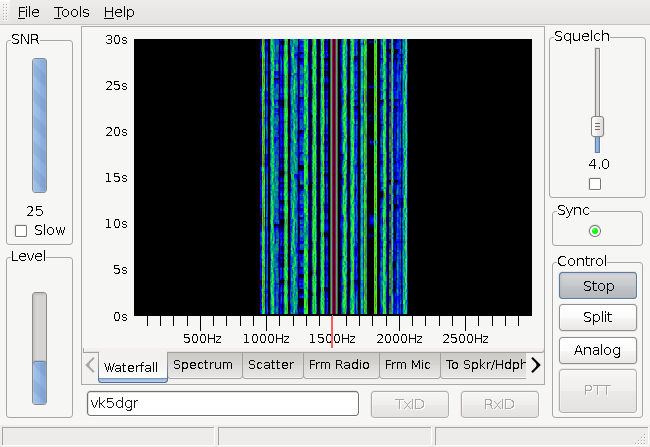
6 contacts were achieved earlier in the day on 40m with local Australian stations. Most of those were achieved using the newly released 700B mode. 5 stations succeeded in contacting VK100ANZAC using it. This lower bitrate mode has proved much more resilient in the poor HF conditions being seen this weekend. So, if you have an older version of FreeDV installed, then consider upgrading to the latest version and give the new 700B mode a try. (see www.freedv.org for details)
(Note: unfortunately 700B mode isn’t supported as yet by the SM1000 hardware adaptors so to use it you will need the latest PC software).
Updates
Keep watching this web-post for updates on progress!
The FreeDV International QSO party is coming up this weekend. Activity begins Saturday evening on the following schedule:
Bands and Times?
Various bands will be used, with the primary call channels being 14236kHz +/-QRM and 7175kHz. The VK100ANZAC net control station will be listening and intermittently calling on FreeDV on the following bands:
Saturday evening September 12th from 1130UTC (9pm Australian Central Standard Time (ACST)) beaming short path North America on 20m (west coast).
Sunday morning September 13th from 2130-2330UTC (7am-9am ACST) on 20m beaming long path North America (east coast)
Sunday morning from 2230-0130UTC (8-11am ACST) will see local VK contacts targeted on 40m
0430-0730 UTC (2-5pm ACST) will focus signals towards Europe Long Path as well as VK on 20m.
0530-0830 UTC (3-6pm ACST) will see 40m targeting VK/ZL again
During the middle of the day on Sunday we may activate on 15m as well targeting Asia/Japan/Northern VK. Keep watching the AREG blog for details.
Many stations are already gearing up to take part and the operator team is getting ready to head to the station of Chris VK5CP for the weekend where the activity will originate from.
I’m a Foundation License holder – how can I get involved?
One of the very recent questions however was “How can Foundation Licensees take part in this event? While it is true Australian Foundation License holders can’t transmit FreeDV, they can still receive it. So why not have a go at installing the software on your PC, connect your radio’s audio output to your PC soundcard and have a listen around the bands for FreeDV signals!
You can provide feedback to the FreeDV operators during this weekend via Internet Relay Chat (IRC) on irc.freenode.net. (http://webchat.freenode.net/?channels=freedv) via the #freedv channel.
The FreeDV QSO Finder will also be used during the weekend. You can take a look and monitor the action here: http://qso.k7ve.org/ Note that the login system for this page uses the HamQTH Callsign Database, which doesn’t have many newer Australian Callsigns. If you get a “Callsign not found” error, you will need to register at: http://www.hamqth.com/register.php If you are listening only, you can log in as “SWL”.
You can also send us an SWL QSL Card via www.eQSL.cc! When a user sets the SWL/HAM checkbox in his Profile to SWL, it automatically forces all incoming and outgoing cards to say ‘Confirming SWL Reception’ instead of the usual ‘This Confirms Our 2-Way QSO’. If you are an SWL, just make sure to go to My Profile and set yourself up as an SWL. If you are a ham, when you send an eQSL to an SWL, it will automatically put the correct wording into the card.
VK100ANZAC QSL Cards for this event
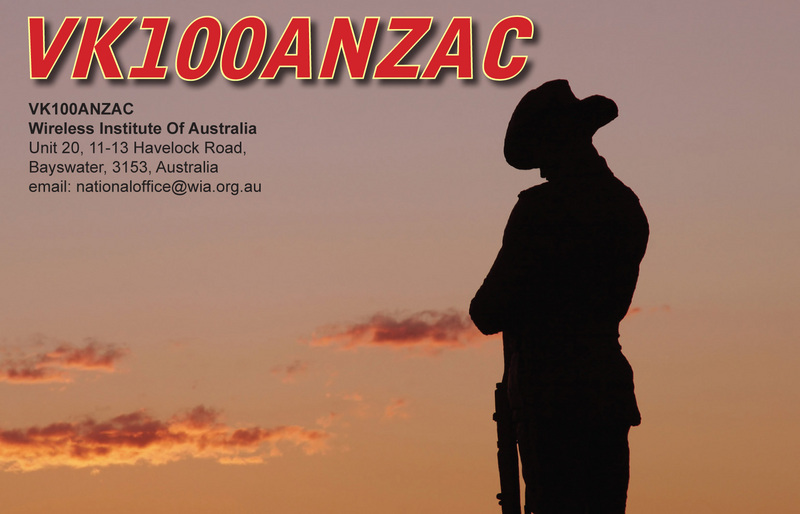
All amateurs can also receive a QSL card for working the VK100ANZAC freeDV station. The WIA VK100ANZAC QSL card policy is as follows:
The AREG FreeDV QSO Party is getting closer and now would be a great time for you to start setting up their radios so that you can join in on the weekend of September 12th and 13th! More information about the QSO party is available here (click).
The following are some resources you may be interested in to help get your FreeDV station up and running on the air.
What does FreeDV Sound Like?
Firstly, what does a FreeDV Contact sound like in comparison to SSB? Here is an excellent demonstration of this by N4DVR.
How to setup a FreeDV Station?
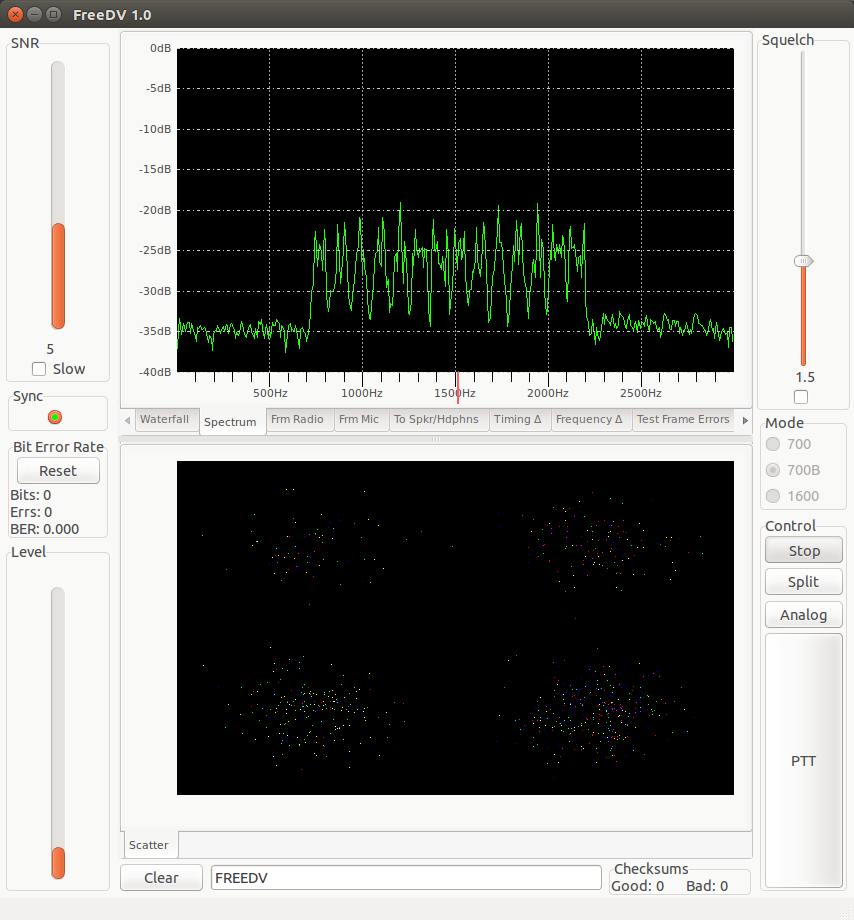
You can start operating on FreeDV by downloading a program for your computer, and then connecting it to your HF radio via your sound card. The software is an open source program available from the following links:
Repositories for Fedora, RHEL, and derivatives have moved to a Fedora COPR Repository located here
Next, you need to get your FreeDV software installed on your PC and configured. The following video tutorial is great for explaining how to set up the software.
Once you have the software configured it is time to connect it to a transmitter! The next video is from a presentation made by David VK5DGR at the AREG club meeting where some of the factors to consider when driving a HF radio with FreeDV were discussed.
In summary:
Less Power is usually better
Do not run any compression on transmit
Back the transmitter power off such that the ALC function is barely being activated
Do not run any receive filtering
The main reason for these tips is that distortion of the signal leads to bit errors. While you may get more transmit power, the signal quality being transmitted will be degraded to the point where even under very good HF path conditions decoding the signal will be very difficult indeed.
This annual amateur radio event was started in Scotland by John Forsyth, GM4OOU, and the late Mike Dalrymple (GM4SUC), both members of Ayr Amateur Radio Group (AARG). Through the years the event has grown probably far beyond what John and Mike envisaged for it all those years ago. The fact that some 85 countries have been represented in this event since inception clearly shows that it is well on its way to becoming a premier event on the ham radio calendar.
The basic objective of the event is to promote public awareness of lighthouses and lightships and their need for preservation and restoration, and at the same time to promote amateur radio and to foster International goodwill.The Lighthouse weekend is fairly relaxed and usually has a decent turn-out of chasers and participants. It is genuinely a good fun day out!
Bob VK5FO is organising a station to activate VK5ARG from Marino Rocks Lighthouse. The plan is to meet at the Carpark at the end of Nimboya Rd, Marino, at around Midday on Saturday 15th. From there, we will set up in the park up towards the lighthouse, in the Marino Rocks Conservation Park – which also qualifies for the SANPCPA.
The station will consist of a 40M inverted V and a FX-4A QRP tranceiver for the VK contacts and a pair of phased Verticals on 20M beaming long path Europe using an Elecraft KX3.
The plan is to operate the station until dark on the Saturday before finding somewhere local to eat before driving home. Please let Bob VK5FO know if you are planning on coming out to operate the AREG station. Note if you do want to come, you dont need to bring anything except a chair.
Note: The ILLW event does does co-incide with the RD Contest. While VK5ARG will not be participating in the RD contest, we will give out numbers to those who are :).
The Amateur Radio Experimenters Group would like to invite all amateurs interested in HF digital voice communications to join us on the weekend of September 12th and 13th in a FreeDV Codec2 digital HF voice QSO Party! AREG in conjunction with David VK5DGR, one of the co-creators of FreeDV, will be activating a FreeDV HF station across the weekend under the Wireless Institute of Australia (WIA) special event call-sign VK100ANZAC. The aim is to encourage as many amateurs as possible to “come and try” this new digital HF mode, joining us and as many other FreeDV operators as possible in making contacts via digital HF voice around Australia and across the world.
Bands and Times?
Various bands will be used, with the primary call channels being 14236kHz +/-QRM and 7175kHz. The VK100ANZAC net control station will be listening and intermittently calling on FreeDV on the following bands:
Saturday evening September 12th from 1130UTC (9pm Australian Central Standard Time (ACST)) beaming short path North America on 20m (west coast).
Sunday morning September 13th from 2130-2330UTC (7am-9am ACST) on 20m beaming long path North America (east coast)
Sunday morning from 2230-0130UTC (8-11am ACST) will see local VK contacts targeted on 40m
0430-0730 UTC (2-5pm ACST) will focus signals towards Europe Long Path as well as VK on 20m.
0530-0830 UTC (3-6pm ACST) will see 40m targeting VK/ZL again
During the middle of the day on Sunday we may activate on 15m as well targeting Asia/Japan/Northern VK. Keep watching the AREG blog for details.
What is FreeDV?
So, what is FreeDV you might ask? It is a new digital voice mode developed by an international group of amateurs, led by David Rowe VK5DGR. David was recently awarded the Ron Wilkinson Achievement Award for his work on Codec2 and FreeDV by the WIA. FreeDV operates at very low bitrates and narrow bandwidths using an open source digital voice compression algorithm (Codec2) developed by David. As such, it is ideal for use on HF. What’s more, being completely open source, it can be reproduced and adapted/extended by anyone who is prepared to follow the open source philosophy, unlike some other systems which have proprietary elements that limit experimentation.
Why is AREG Sponsoring this?
Why may you ask are we doing this? Like all new modes in their early days, like the early SSB developments in the 1960’s, finding like minded stations to make contact with can prove a little difficult. The aim behind this global event is to gather multiple FreeDV stations on air so that beginners in the mode can find others to make contact with, as well as providing support and help via SSB for those struggling to get the new technology to work. It is the perfect opportunity for you to dust off your radio-PC interfaces or finally wire-up your SM1000 digital voice adaptor and give this unique mode a try!
How do you get involved?
How do you get involved? There are several ways to get on the air with FreeDV. The most common is to download and install the FreeDV GUI application on your PC, and use a PC to HF radio interface, and a USB headset. More recently the stand alone SM1000 digital voice adaptor has become available which eliminates the need for a PC. Details of how to set up your station to run FreeDV can be found from the FreeDV project’s website http://freedv.org/ .
The idea behind operating the FreeDV QSO party net control station using the special event callsign VK100ANZAC was to provide a little extra incentive for amateurs to come and try this new HF digital mode. It will certainly provide a unique QSO opportunity! The weekend in question is also one of significance for the ANZAC story as it commemorates the 26th Infantry Battalion’s arrival at Gallipoli and their subsequent deployment to Taylor’s Hollow on September 12, 1915. Part of the event will commemorate those who served and the sacrifice they made.
Conclusion
We look forward to making contact with you over the weekend! If you want more information, keep watching the AREG website for regular updates and blogs of the weekend’s events as well as for information on operating FreeDV at www.areg.org.au.
All contacts made will be recorded in ClubLog. Qrz.com will also be updated with the latest QSO information. We will also QSL any cards received either via the Bureau or via EQSL. SWLs will be eligible for a special card if they can confirm a full two way QSO.
Plans are also being worked on for a test and tune event the weekend beforehand. Keep watching the AREG website for details. See you on the air!
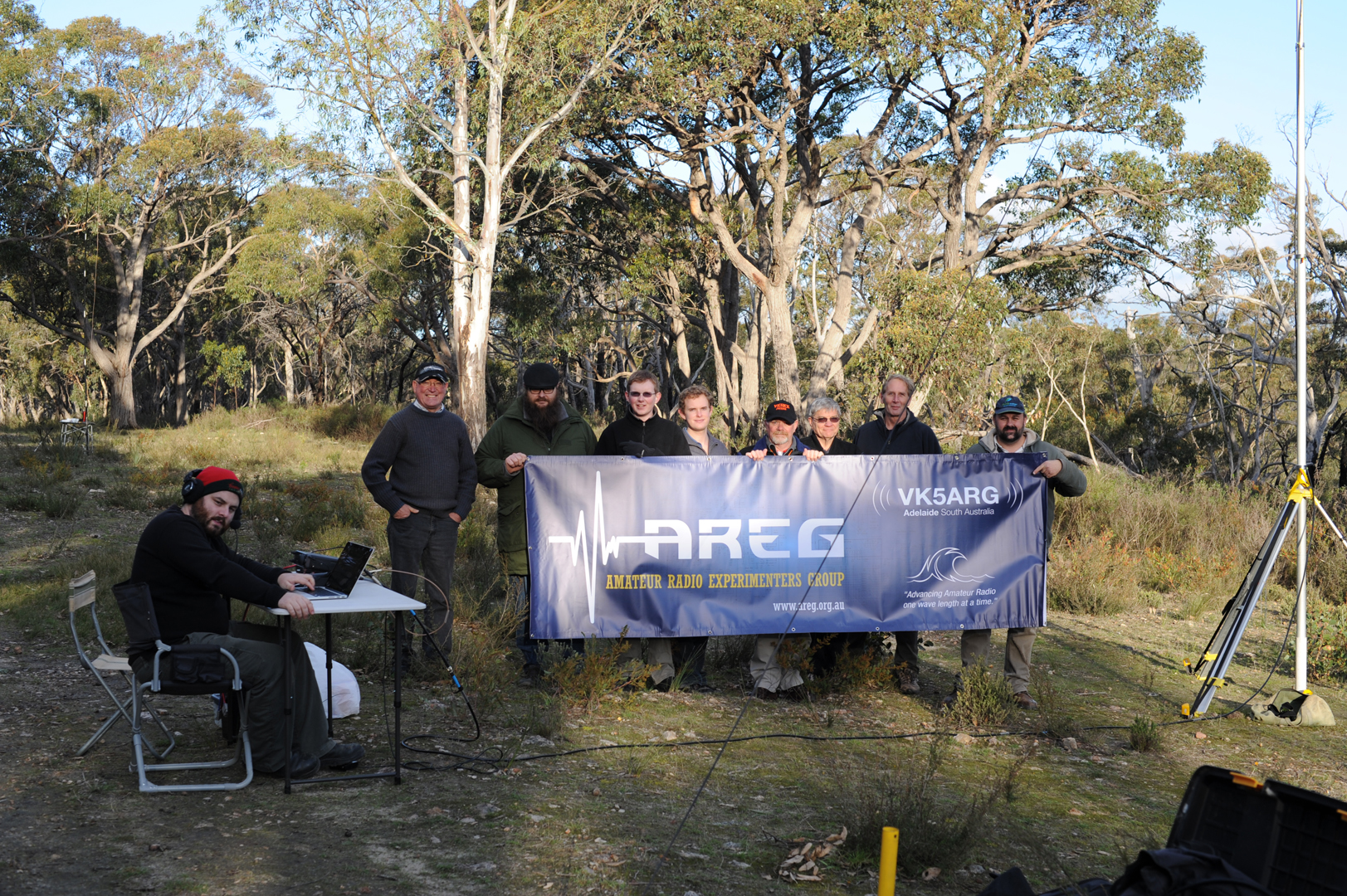
The special event station VI5MCP has been very active today with a large contingent of operators from the Amateur Radio Experimenters Group braving the cold but clear conditions to operate portable from the top of Morialta Conservation Park.
The station consisted of an inverted-vee on 40m and a portable hex beam for the higher bands. Operators included Bob VK5FO, Ray VK5RR, Ben VK5BB, Andy VK5AKH, Theo VK5MTM, Matt VK5ZM, Mark VK5QI, Lionel VK5UP, Kym VK5FJ, Dennis VK5FDEN and Peter VK5KX. Gary VK5FGRY was also on hand to record the events as well a number of other members.
Multiple HF bands have been activated today including 40m and 20m. Details of the contacts will be put into the logs online shortly. Keep watching here for updates. In total so far we have logged 150 contacts and 28 DXCC countries, and with another week to go for this special event call, there is still time for you to make contact with VI5MCP!
The activation will continue tomorrow (Sunday 19th) with plans for the station to be active at the conclusion of the WIA broadcast. Plans are afoot to operate on 2m tomorrow as well to give some local VHF operators the chance to put this special event callsign in the log.
On the weekend of July 11th and 12th, the Amateur Radio Experimenters Group will be activating the WIA special event callsign VK100ANZAC as part of this year’s IARU HF Contest as the official WIA Headquarters station.
The IARU HF Championships encourage amateurs to contact as many other amateurs, especially IARU member society HQ stations, around the world as possible using the 160, 80, 40, 20, 15 and 10 meter bands. Operation will begin at 1200 UTC Saturday and ending 1200 UTC Sunday (July 11-12, 2015).
Look for VK100ANZAC / WIA during this weekend and give us a call! Better still, why not give the IARU Championships a go yourself. Details are available on the ARRL website
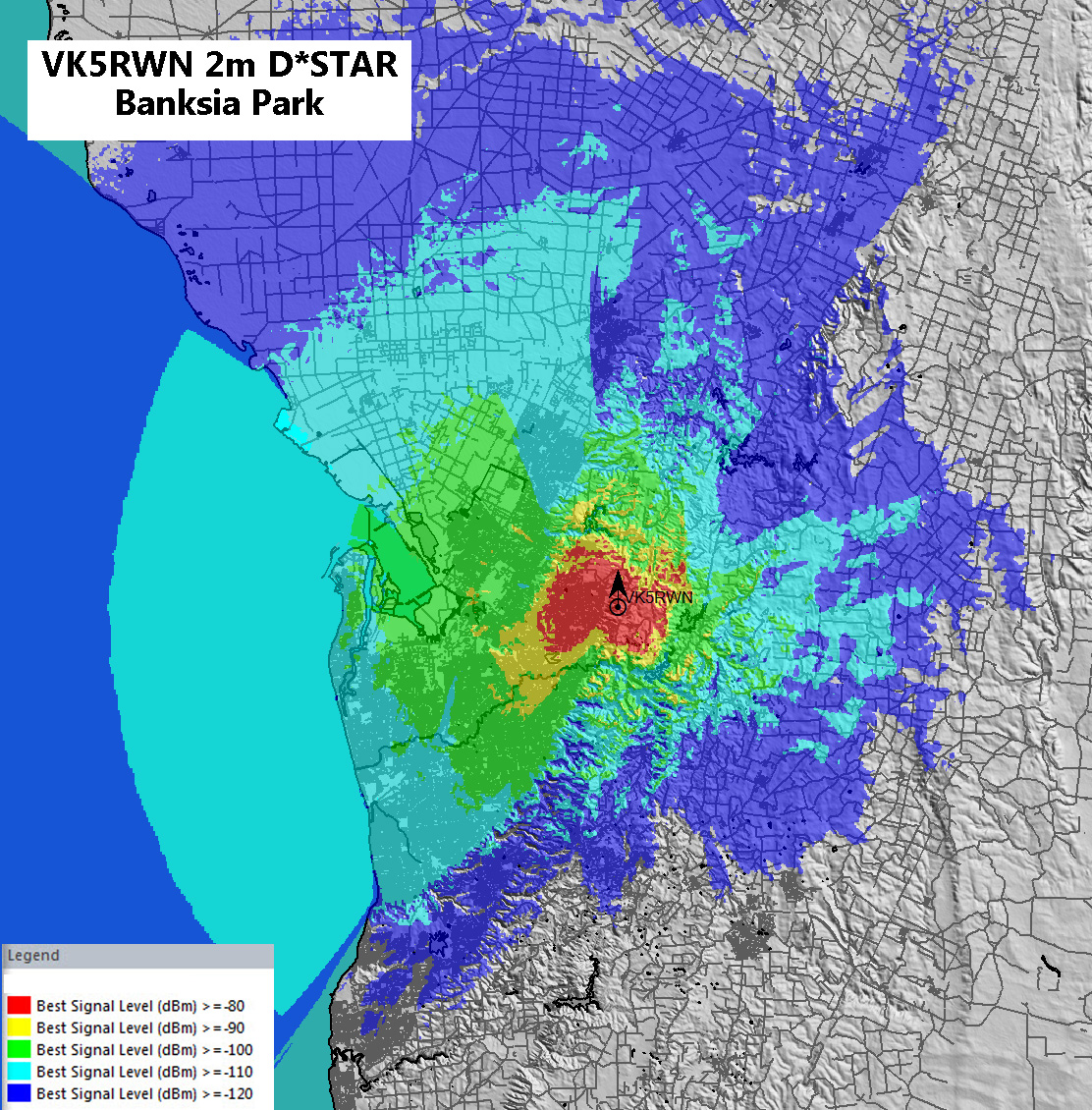 over the full maintenance and financial support the VK5RWN D-Star repeater system in Adelaide after it was originally co-sponsored by the WIA. Since then, AREG has been working to reduce the operating costs of providing this service to the Adelaide amateur radio community.
 AREG has not been sitting idle in trying to find ways to keep the system running. So far, the following strategies have been implemented: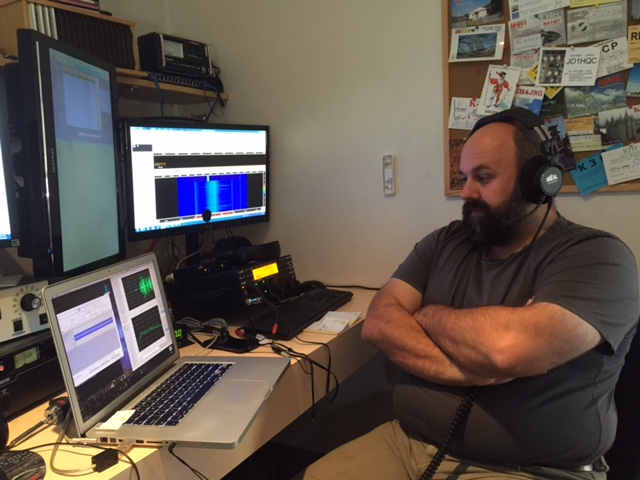
 primary call channels being 14236kHz +/-QRM and 7175kHz. The VK100ANZAC net control station will be listening and intermittently calling on FreeDV on the following bands:



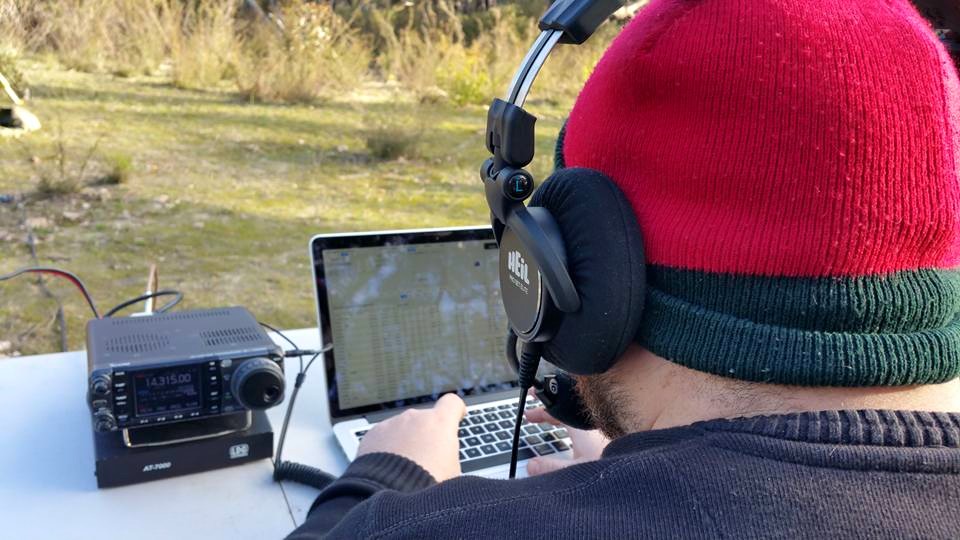 The special event station VI5MCP has been very active today with a large contingent of operators from the Amateur Radio Experimenters Group braving the cold but clear conditions to operate portable from the top of Morialta Conservation Park.